
In the 1950s, Dr. Jonas Salk—on the verge of creating the polio vaccine—felt completely paralysed. After years of research, exhaustion and global pressure led to an absolute mental block. Exhausted and confused, he made a radical decision: to travel to the Monastery of Assisi, Italy, the home of Saint Francis. There, amidst silent walls, softContinueContinue reading “The Urgency of Silence: Why Inner Retreat is the Most Necessary Architecture of the 21st Century”
Category Archives: Neuroarchitecture
Touch: The Silent Sense Behind Neuroarchitecture
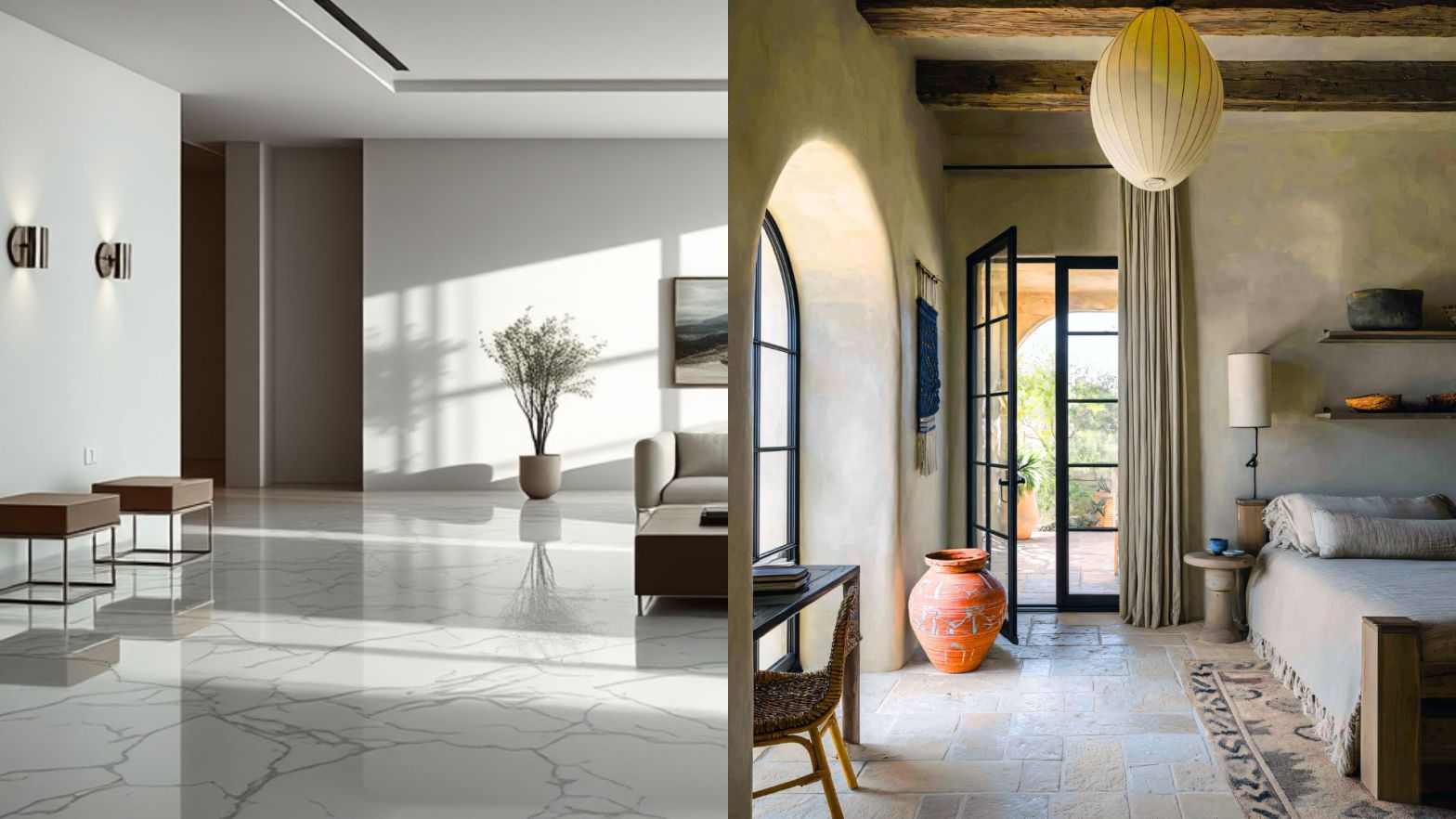
The skin is the largest sensory organ of the human body and the first to form during embryonic development. Before opening our eyes or hearing a voice, we can already feel. Every texture, temperature variation, or pressure activates thousands of receptors distributed across the body’s surface; and through them, the skin communicates directly with theContinueContinue reading “Touch: The Silent Sense Behind Neuroarchitecture”
Nature as Therapy: The Brain’s Response

If someone were to ask us to imagine paradise, we would probably picture a place filled with trees, flowers, waterfalls, and beaches. Hardly anyone would think of a concrete jungle. That preference is not accidental: it has deep roots in our brains. Neuroscience shows that our connection with nature stems from a biological need, notContinueContinue reading “Nature as Therapy: The Brain’s Response”
How Does Noise Elevate Your Cortisol? Architecture as a Shield Against Stress.

In a world saturated with stimuli, silence has become a scarce commodity.However, more than a luxury, it is a form of health. Every door slam, every running engine, every plane crossing the sky leaves a mark that we do not always hear, but our nervous system records it. The invisible noise of modern life —constant,ContinueContinue reading “How Does Noise Elevate Your Cortisol? Architecture as a Shield Against Stress.”
How Architecture Can Combat Loneliness
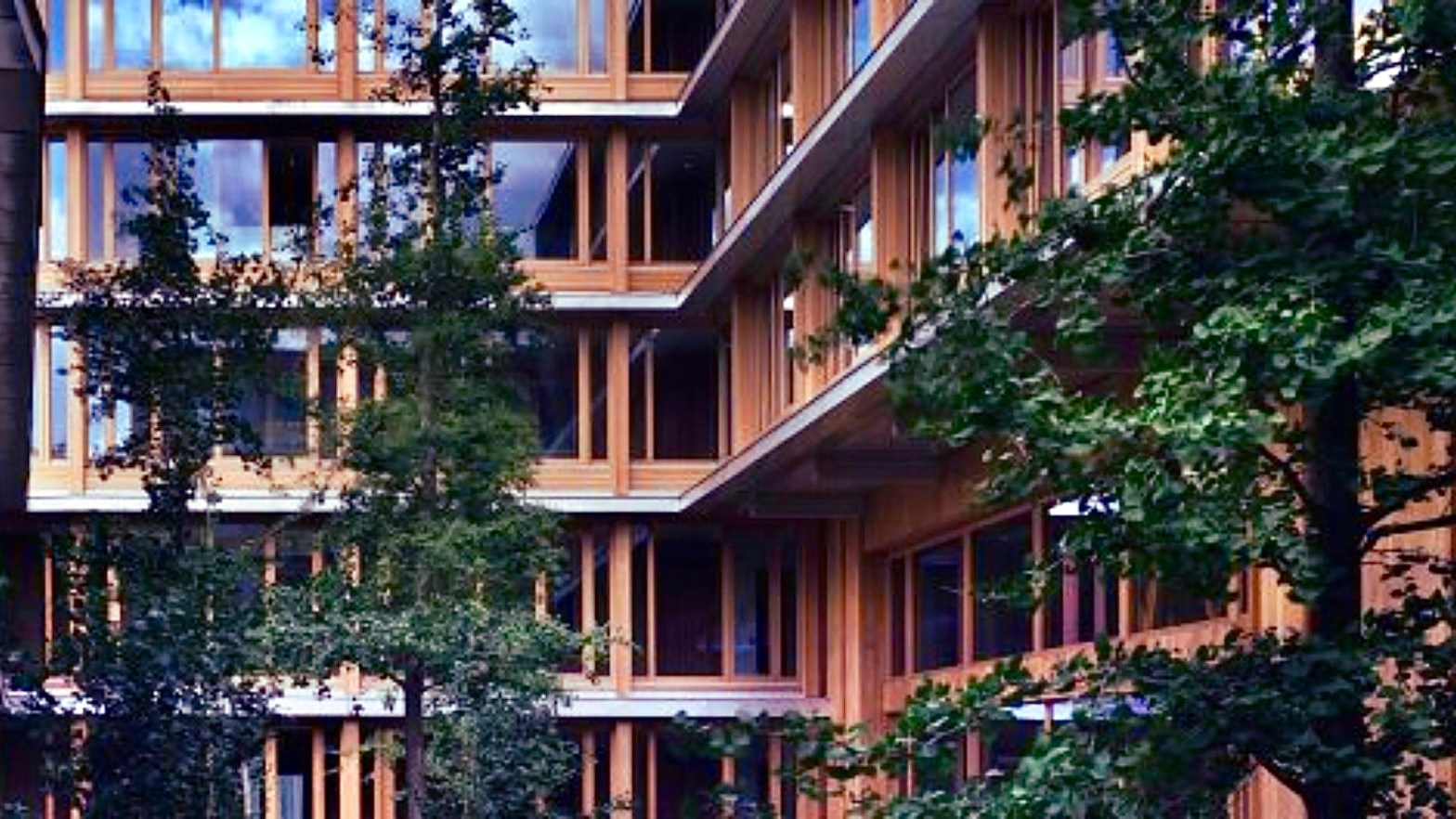
Can design prevent loneliness? In a rapidly ageing world, this question is no longer rhetorical.Loneliness, recognised by the WHO as one of the main threats to public health, affects memory, blood pressure, and even life expectancy. But what if architecture could help us weave back together the bonds that time and the city have unravelled?ContinueContinue reading “How Architecture Can Combat Loneliness”
The Invisible Language of Light in Architecture

Light shapes life, time, and architecture.It doesn’t merely reveal spaces — it builds them. Long before electricity, fire, or glass existed, there was already an architecture guided by light: the sun tracing its way across stones, openings, and shadows. Nothing has changed — except how little we still talk about it. Light has been recognisedContinueContinue reading “The Invisible Language of Light in Architecture”
The Impact of Architecture on the Brain and Mental Health
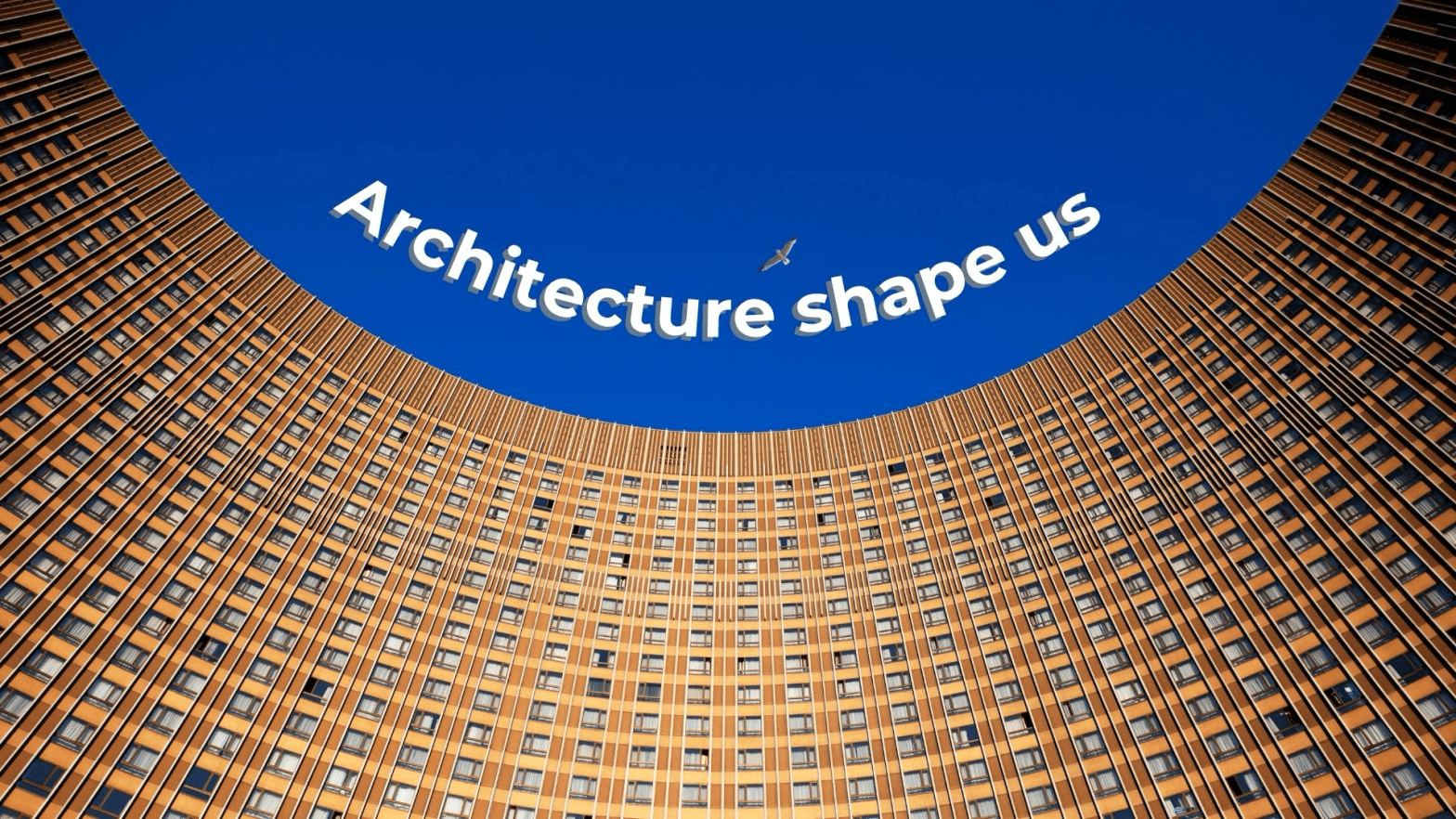
Imagine walking down a poorly lit corridor, where every door looks the same, fluorescent lights buzz overhead, and your footsteps echo in the void. You pause. Where should you go? Your body tenses even before you think. Now contrast that scene with entering the atrium of a library filled with natural light. A central spiralContinueContinue reading “The Impact of Architecture on the Brain and Mental Health”
Shaping Realities: The Power of Architecture
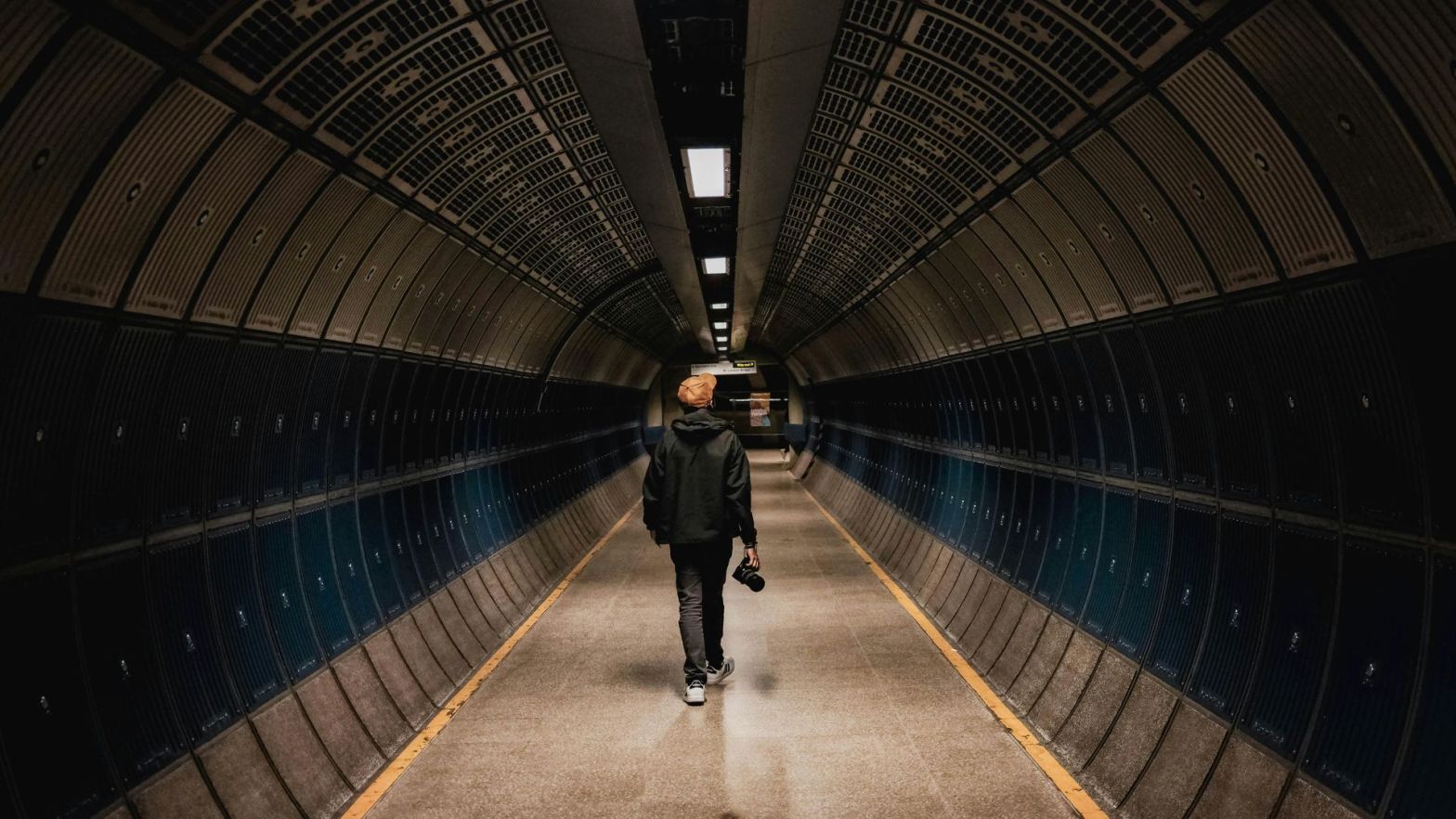
Throughout history, architecture has been described in many ways—sometimes as pure art, other times as a fusion of art and technology. But what if we saw it differently? Not just as shelter or infrastructure, but as the creation of realities. Unlike video games or virtual reality, this is not about digital simulations. It is aboutContinueContinue reading “Shaping Realities: The Power of Architecture”
Neuroarchitecture: Lessons from Brutalism
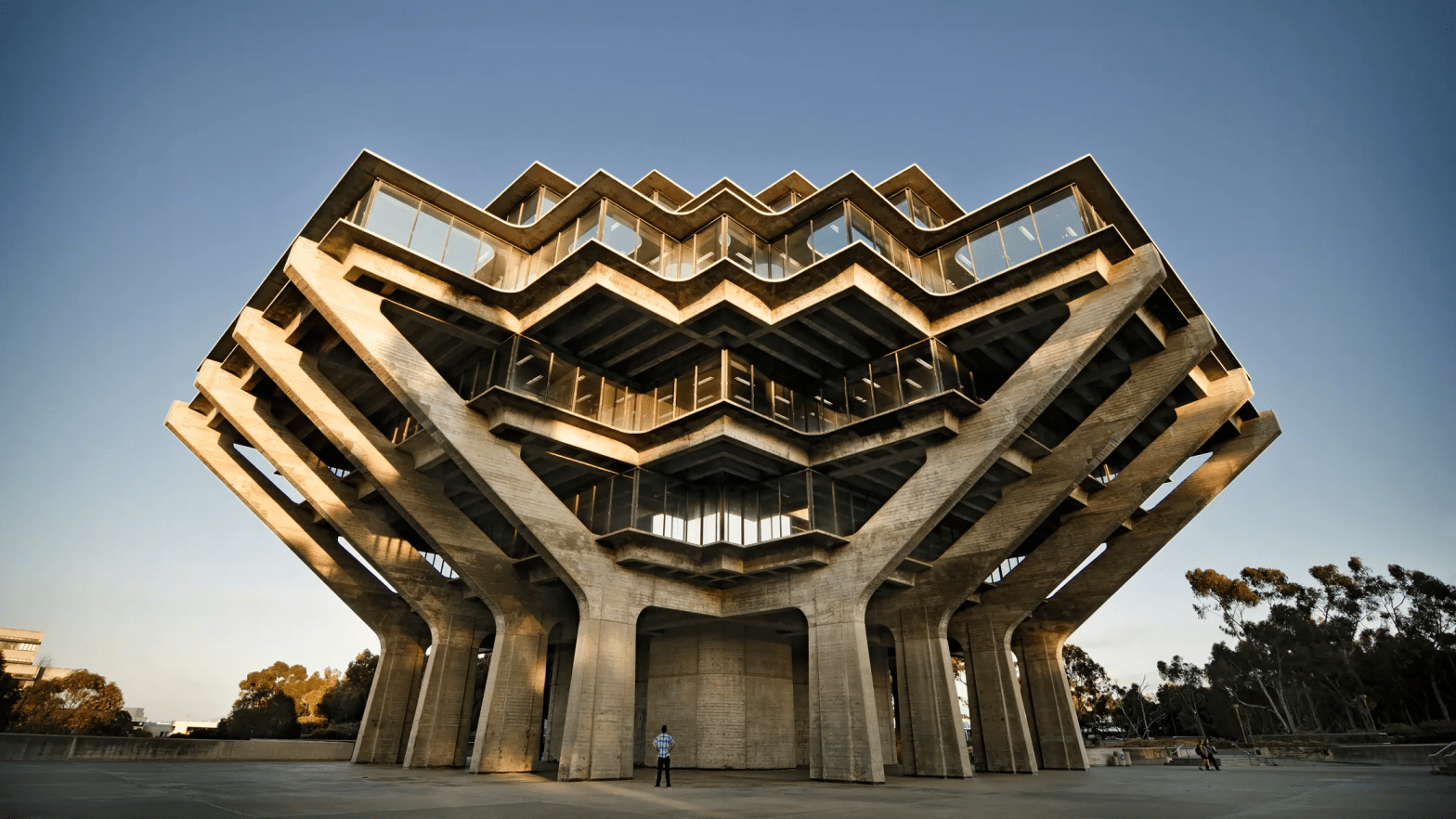
Brutalism was more than a style of raw concrete and bold forms—it was an experiment in shaping society through design. Emerging from the devastation of the Second World War, it promised dignity, efficiency, and fairness in housing and public life. Buildings were stripped back to their essentials, constructed in béton brut—raw concrete—without ornament or disguise.ContinueContinue reading “Neuroarchitecture: Lessons from Brutalism”
Subjectivity, Perception, and Multiple Realities
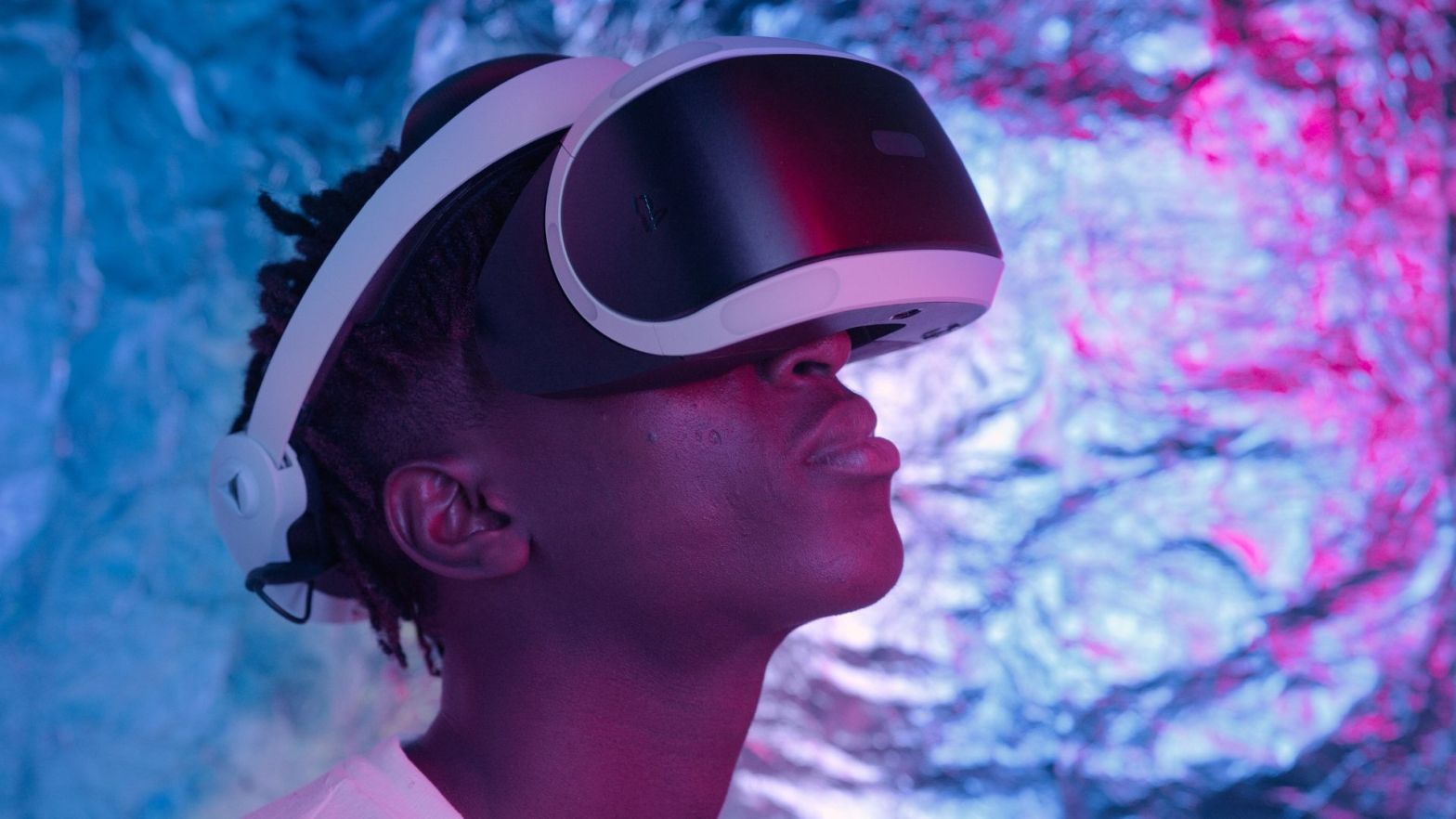
Shadows on the Wall Well over two thousand years ago, Plato imagined a group of prisoners chained inside a cave. For them, reality was nothing more than shadows cast on the wall—flickering shapes mistaken for the whole truth. Only when one prisoner was freed and stepped into the sunlight did he realise that what theyContinueContinue reading “Subjectivity, Perception, and Multiple Realities”
 neurotectura.com