
El 4 de marzo, Liu Jiakun fue laureado con el Premio Pritzker de Arquitectura 2025, el honor internacional más prestigioso de la arquitectura. Este arquitecto, originario de la provincia de Sichuan en China, fundó Jiakun Architecture en 1999 y desde entonces sus innovadores diseños y su compromiso con la planificación urbana sostenible han dejado unaContinueContinue reading “Premio Pritzker de Liu Jiakun: Neuroarquitectura y diseño centrados en el ser humano”
Tag Archives: Neuroarquitectura
Liu Jiakun Pritzker Prize: Neuroarchitecture and Human-centred Design
On March 4th, Liu Jiakun was named the 2025 Pritzker Architecture Prize Laureate, architecture’s most prestigious international honour. The 54th recipient, founded Jiakun Architecture in 1999 in his native Sichuan, where his innovative designs and commitment to sustainable urban planning have left an indelible mark. “In a global context where architecture is struggling to findContinueContinue reading “Liu Jiakun Pritzker Prize: Neuroarchitecture and Human-centred Design”
Arquitectura y bienestar: La conexión vital
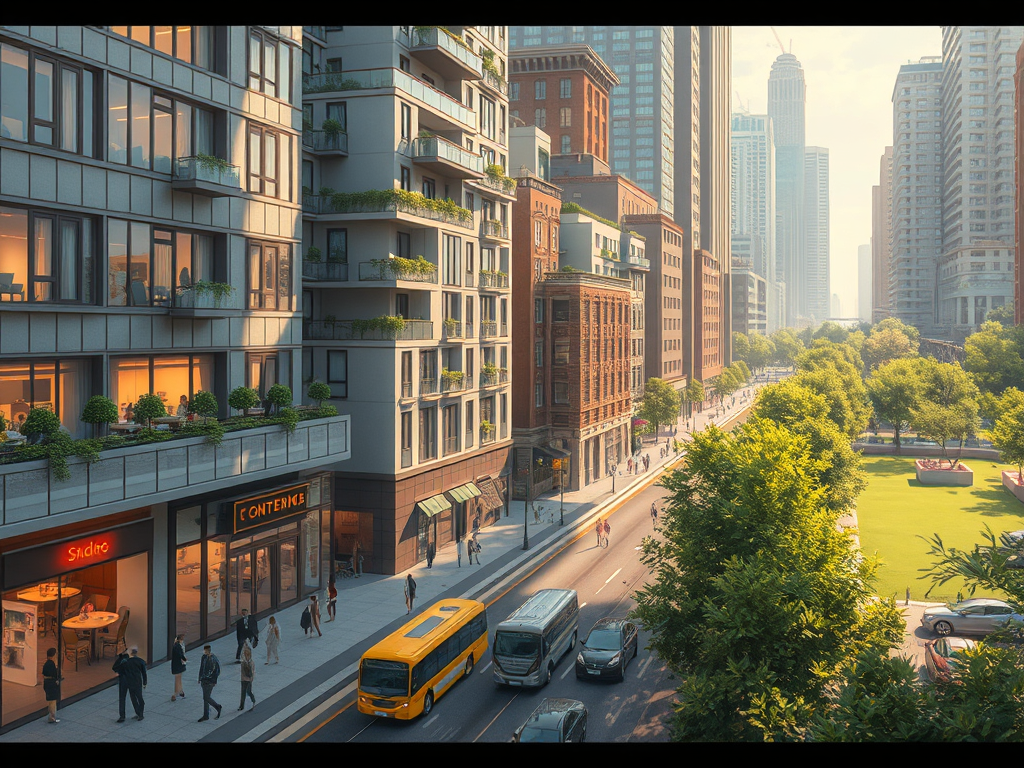
Cuando se trata de arquitectura, la estética suele ocupar un lugar central, atrayendo la admiración de los espectadores y estableciendo un tono tanto para los espacios públicos como privados. Sin embargo, dado que los edificios forman el telón de fondo de nuestra vida cotidiana, los diseñadores también deben considerar factores que mejoren la salud yContinueContinue reading “Arquitectura y bienestar: La conexión vital”
Foster + Partners: Liderando el futuro de la neuroarquitectura
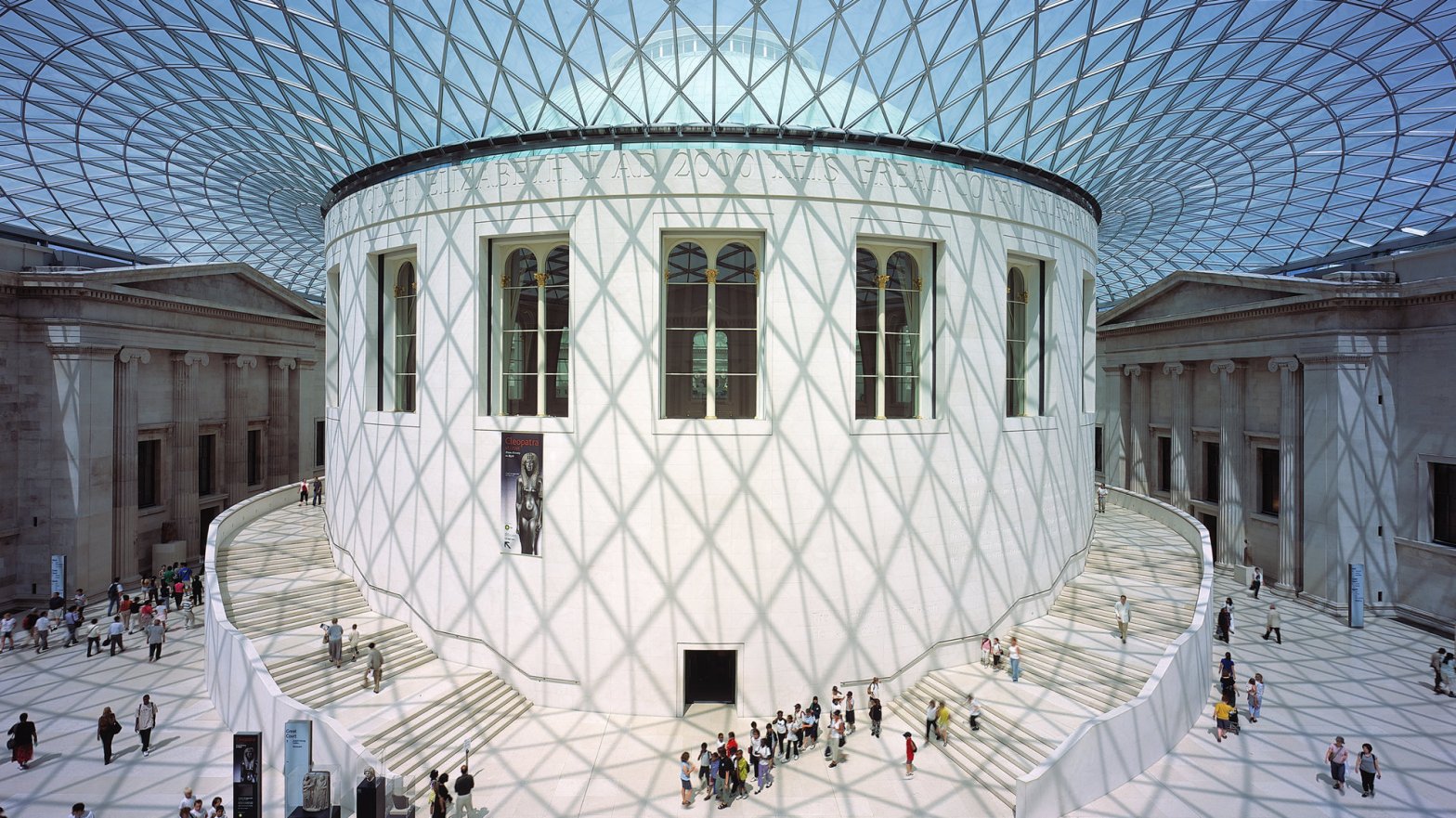
Foster + Partners es una de las principales firmas de arquitectura del mundo, reconocida por sus diseños innovadores y sostenibles. Proyectos emblematicos como el Viaducto de Millau en Francia, la Cúpula del Reichstag en Alemania y el Sede del Banco de Hong Kong y Shanghái destacan el compromiso de la firma con el avance deContinueContinue reading “Foster + Partners: Liderando el futuro de la neuroarquitectura”
Foster + Partners: Leading the Future of Neuroarchitecture in Design
Foster + Partners is one of the world’s leading architectural firms, renowned for its innovative and sustainable designs. Notable projects such as the Millau Viaduct in France, the Reichstag Dome in Germany, and the Hong Kong and Shanghai Bank Headquarters highlight the firm’s commitment to pushing architectural boundaries while maintaining a focus on environmental andContinueContinue reading “Foster + Partners: Leading the Future of Neuroarchitecture in Design”
Arquitectura y Neurociencia: Espacios que mejoran la cognición
Los espacios que habitamos influyen profundamente en nuestros pensamientos, emociones y comportamientos, a menudo de formas sutiles que no percibimos por completo. Desde la manera en que nos orientamos en una ciudad hasta las sensaciones que nos transmite una habitación, el entorno construido moldea el desarrollo cerebral y afecta funciones cognitivas esenciales como la memoria,ContinueContinue reading “Arquitectura y Neurociencia: Espacios que mejoran la cognición”
The Neuroscience of Space: Brain and Design Connections
The spaces we inhabit subtly shape our thoughts, emotions, and behaviours in ways we may not fully realize. From the way we navigate a city to the emotions evoked by a room, the built environment profoundly influences brain development, cognitive functions like memory, reasoning, and planning, and overall well-being. Neuroscience and architecture are increasingly intertwined,ContinueContinue reading “The Neuroscience of Space: Brain and Design Connections”
Diseñando espacios inclusivos para poblaciones neurodiversas
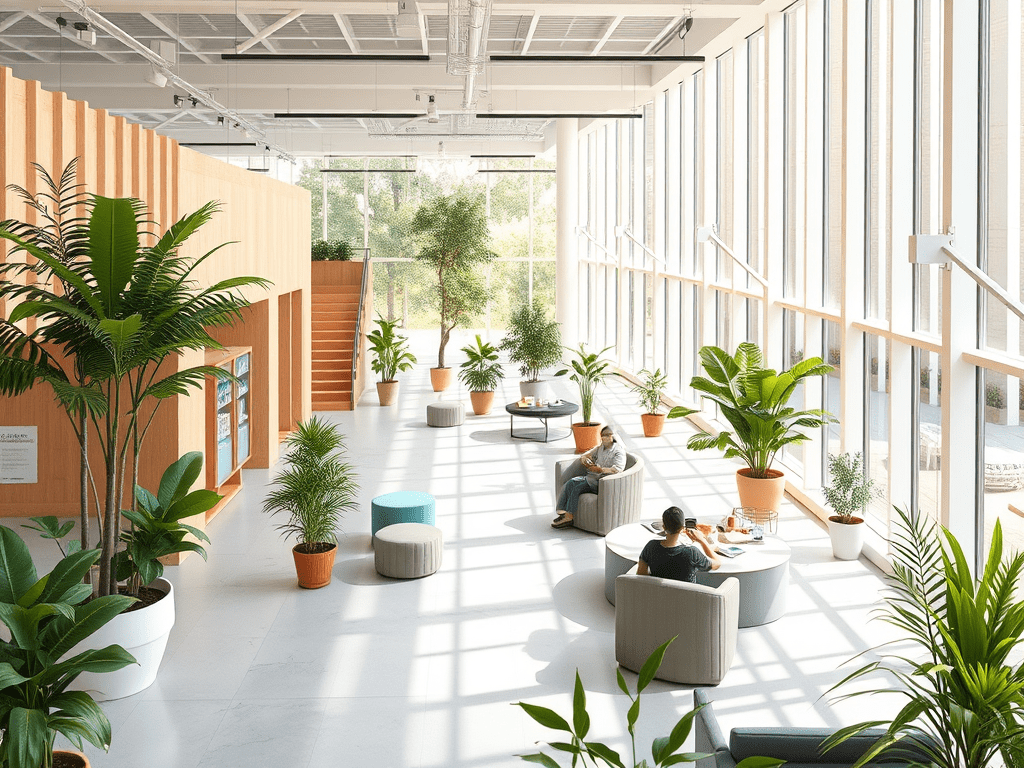
Los términos neurodiversidad y neurodivergencia a menudo se usan de manera intercambiable, pero representan conceptos distintos dentro de las discusiones sobre las diferencias neurológicas. Neurodiversidad es un término inclusivo que reconoce las variaciones naturales en la función cerebral, enfatizando que estas diferencias no son déficits, sino aspectos valiosos de la diversidad humana. Diagrama de condicionesContinueContinue reading “Diseñando espacios inclusivos para poblaciones neurodiversas”
Designing Inclusive Spaces for Neurodiverse Populations
The terms neurodiversity and neurodivergency are often used interchangeably, but they represent distinct concepts within discussions on neurological differences. Neurodiversity is an inclusive term that acknowledges the natural variations in brain function, emphasising that these differences are not deficits but valuable aspects of human diversity. Diagram of Neurodiversity Conditions. The term neurodiversity was coined inContinueContinue reading “Designing Inclusive Spaces for Neurodiverse Populations”
Diseño Emocional: Curvas vs. Ángulos
Numerosos estudios han demostrado consistentemente que las formas arquitectónicas curvas evocan respuestas emocionales más positivas en comparación con los diseños angulares. Estas formas curvas suelen asociarse con sensaciones de confort, seguridad y serenidad, mientras que las angulares, por el contrario, tienden a generar percepciones de amenaza o incomodidad. Este fenómeno destaca la relevancia de integrarContinueContinue reading “Diseño Emocional: Curvas vs. Ángulos”
 neurotectura.com