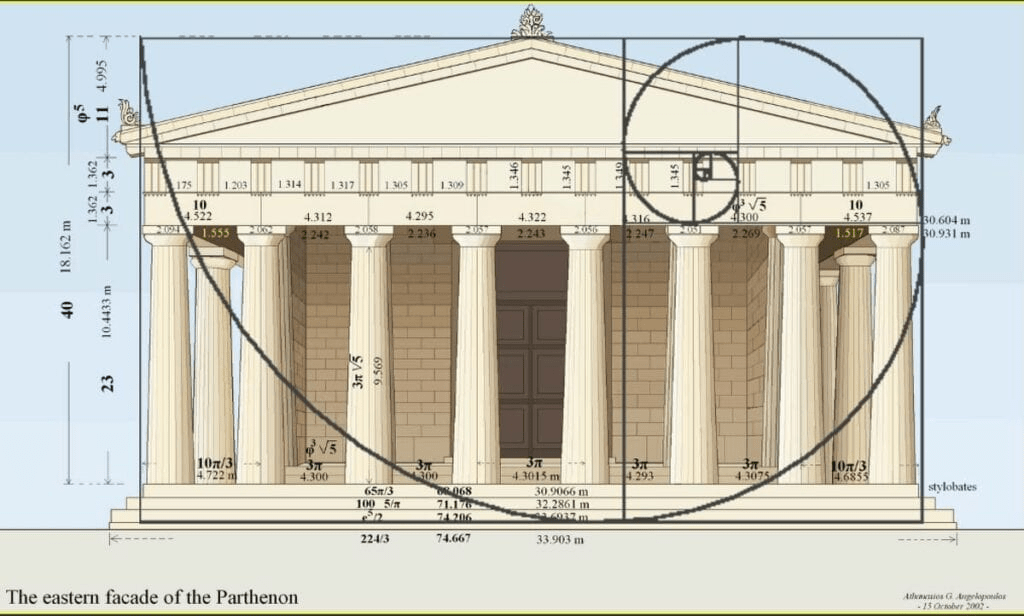
The Parthenon in Athens is often hailed as one of the most beautiful buildings in the world. Dedicated to the goddess Athena, this octastyle Doric temple—built in gleaming Pentelic marble—continues to captivate despite the passage of nearly 2,500 years. But what exactly makes it a masterpiece? Why does its form still resonate with us today?ContinueContinue reading “The Timeless Beauty of the Parthenon: Proportions in Architecture”
Author Archives: Patricia Fierro-Newton
Diseñar con agua: donde fluye la emoción

1. Donde fluye la calma Estamos hechos principalmente de agua. Fluye por nuestras venas, amortigua nuestro cerebro y llena las células que sostienen la vida. Pero nuestra conexión con ella es más profunda que la fisiología. El agua es algo que sentimos. Su brillo, su ritmo, su persistencia silenciosa —estas cosas hablan de algo antiguoContinueContinue reading “Diseñar con agua: donde fluye la emoción”
Water’s Influence on Human Emotion and Design
1. A Moment by the Water We are made mostly of water. It flows through our veins, cushions our brain, and fills the cells that sustain life. But our connection to it runs deeper than physiology. Water is something we feel. Its shimmer, its rhythm, its quiet persistence—these things speak to something ancient within us.ContinueContinue reading “Water’s Influence on Human Emotion and Design”
Neurodiversidad y arquitectura: Claves para un mundo inclusivo

Liam tiene cinco años. En su primer día en una nueva escuela, no se sentó donde se le indicó ni siguió la rutina. En cambio, se movió constantemente, leyendo cada señal, cartel y etiqueta a la vista, no solo en los pasillos, sino en toda la escuela. Sus maestros trataron de redirigirlo, a veces inclusoContinueContinue reading “Neurodiversidad y arquitectura: Claves para un mundo inclusivo”
Neurodiversity and Architecture: Keys to an Inclusive World
Liam is five. On his first day at a new school, he didn’t sit where instructed or follow the routine. Instead, he moved constantly—reading every sign, poster, and label in sight, not just in the corridors, but throughout the entire school. His teachers tried to redirect him, sometimes even running after him as he slippedContinueContinue reading “Neurodiversity and Architecture: Keys to an Inclusive World”
Simetría y asimetría en el diseño

¿Alguna vez has notado que la mayoría de los edificios icónicos del mundo son simétricos? Una mirada a la historia de la arquitectura revela un patrón fascinante: la simetría domina. Desde templos antiguos hasta palacios neoclásicos, algunos de los edificios más duraderos y admirados se definen por sus proporciones equilibradas e imágenes reflejadas. Nuestros cerebrosContinueContinue reading “Simetría y asimetría en el diseño”
Symmetry vs. Asymmetry in Design
Have you ever noticed that most of the iconic buildings in the world are symmetric? A glance at architectural history reveals a fascinating pattern: symmetry dominates. From ancient temples to neoclassical palaces, some of the most enduring and admired buildings are defined by their balanced proportions and mirrored images. Our brains are naturally drawn toContinueContinue reading “Symmetry vs. Asymmetry in Design”
Designing for Mental Health: Architecture’s Role
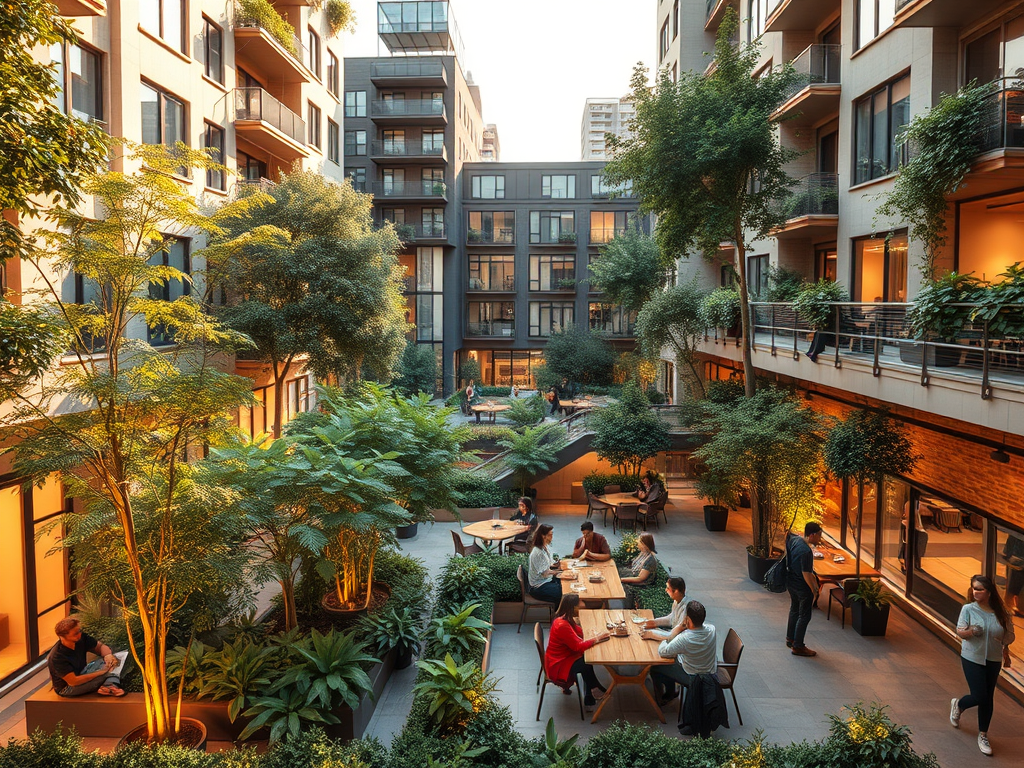
According to the World Health Organization (WHO), mental health conditions include mental disorders, psychosocial disabilities, and other emotional states that significantly impair daily functioning or increase the risk of self-harm. The Crisis: Anxiety, Disconnection, and Isolation Alfred, a 90-year-old widower from Wakefield, spent six months in near-total isolation. After losing his wife, his only humanContinueContinue reading “Designing for Mental Health: Architecture’s Role”
Neuroarquitectura: Cómo los espacios afectan la mente
Imagina que eres un joven profesional creativo que comienza su primer trabajo. Estás lleno de ideas, ansioso por colaborar, listo para crecer. Pero en el momento en que entras a la oficina, sientes que no puedes respirar al ver una cuadrícula de cubículos idénticos, luces duras arriba y sin ventanas. Vista de un ambiente deContinueContinue reading “Neuroarquitectura: Cómo los espacios afectan la mente”
Neuroarchitecture: How Space Affects Your Mind
Imagine you’re a young creative professional starting your first job. You’re full of ideas, eager to collaborate, ready to grow. But the moment you step into the office, you feel it—a grid of identical cubicles, harsh lighting overhead, no windows, no space to breathe. An office space filled with identical cubicles, highlighting a lack ofContinueContinue reading “Neuroarchitecture: How Space Affects Your Mind”
 neurotectura.com