
Imagina una mañana de trabajo: tienes un informe urgente, una lista de tareas y la intención firme de concentrarte y avanzar. Te sientas a trabajar, pero múltiples estímulos externos e internos comienzan a interferir: un ruido en la calle, un pensamiento intrusivo, una idea espontánea. Nada te permite mantener el foco ni avanzar como esperabas.ContinueContinue reading “Cómo la Neuroarquitectura Puede Ayudar a Personas con TDAH”
Author Archives: Patricia Fierro-Newton
Commercial Neuroarchitecture and Neuromarketing

Buying is rarely a neutral act. Even before you see a product or step into a shop —whether physical or online— your brain has already been activated by carefully crafted signals in advertising, branding, and marketing. In physical spaces, this language becomes even more powerful: fragrances that lower your guard, warm lighting that promises reward,ContinueContinue reading “Commercial Neuroarchitecture and Neuromarketing”
Neuroarquitectura comercial y neuromarketing
Comprar rara vez es un acto neutral. Antes incluso de ver un producto o entrar a una tienda —real o virtual— tu cerebro ya ha sido activado por señales cuidadosamente diseñadas en la publicidad, la imagen de marca y el marketing. En los espacios físicos, este lenguaje se vuelve todavía más poderoso: fragancias que bajanContinueContinue reading “Neuroarquitectura comercial y neuromarketing”
The Urgency of Silence: Why Inner Retreat is the Most Necessary Architecture of the 21st Century

In the 1950s, Dr. Jonas Salk—on the verge of creating the polio vaccine—felt completely paralysed. After years of research, exhaustion and global pressure led to an absolute mental block. Exhausted and confused, he made a radical decision: to travel to the Monastery of Assisi, Italy, the home of Saint Francis. There, amidst silent walls, softContinueContinue reading “The Urgency of Silence: Why Inner Retreat is the Most Necessary Architecture of the 21st Century”
Arquitectura para el recogimiento: La urgencia del silencio en el siglo XXI
En los años 50, el Dr. Jonas Salk —a punto de crear la vacuna contra la poliomielitis— se sintió completamente paralizado. Tras años de investigación, el agotamiento y la presión global le provocaron un bloqueo mental absoluto. Agotado y confuso, tomó una decisión radical: viajar al Monasterio de Asís, en Italia, hogar de San Francisco.ContinueContinue reading “Arquitectura para el recogimiento: La urgencia del silencio en el siglo XXI”
Touch: The Silent Sense Behind Neuroarchitecture
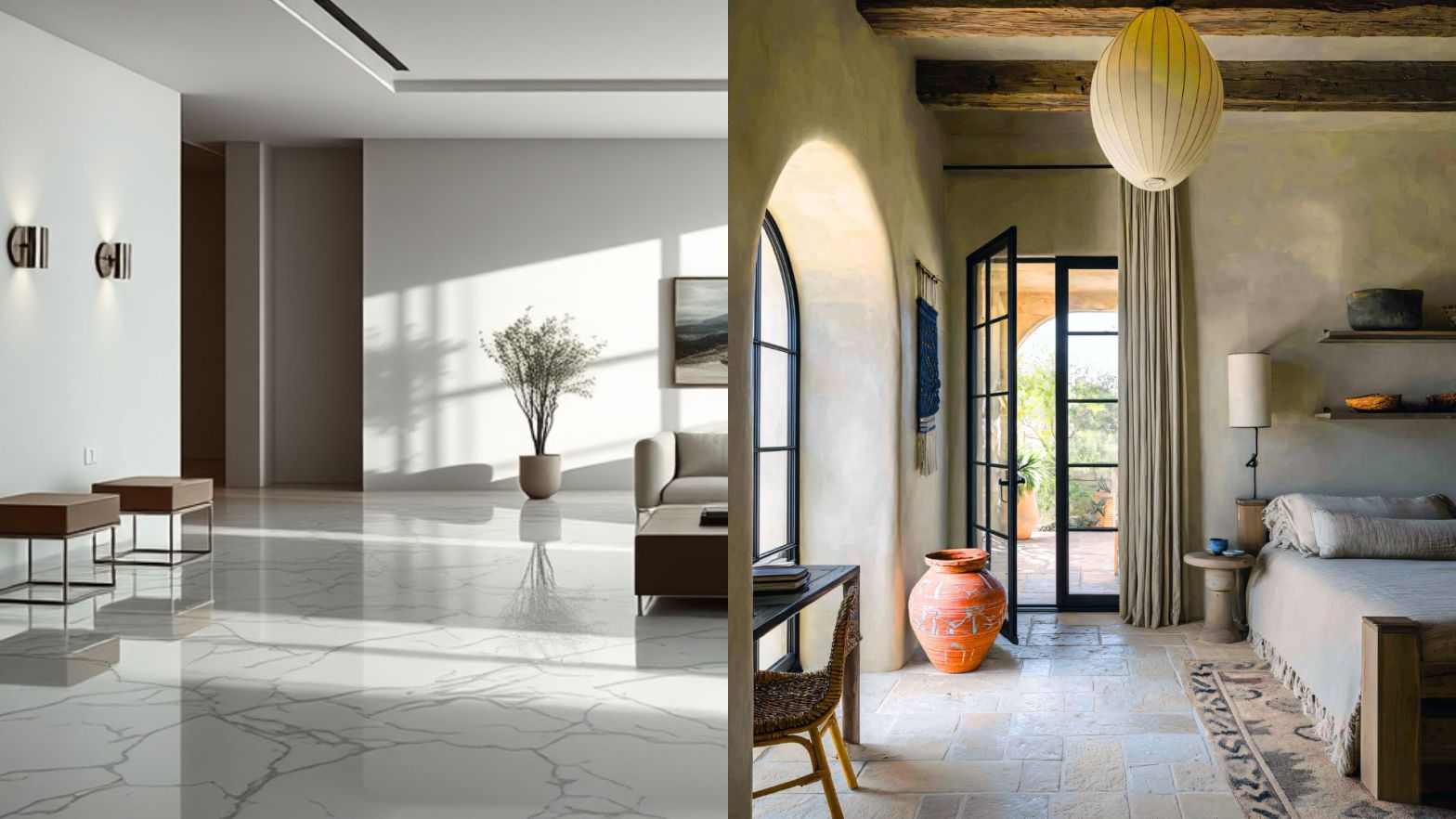
The skin is the largest sensory organ of the human body and the first to form during embryonic development. Before opening our eyes or hearing a voice, we can already feel. Every texture, temperature variation, or pressure activates thousands of receptors distributed across the body’s surface; and through them, the skin communicates directly with theContinueContinue reading “Touch: The Silent Sense Behind Neuroarchitecture”
El tacto: El sentido oculto de la Neuroarquitectura
La piel es el órgano sensorial más extenso del cuerpo humano y el primero en formarse durante el desarrollo embrionario. Antes de abrir los ojos o escuchar una voz, ya sentimos. Cada textura, variación térmica o presión activa miles de receptores distribuidos por toda la superficie corporal; y, a través de ellos, la piel conversaContinueContinue reading “El tacto: El sentido oculto de la Neuroarquitectura”
Nature as Therapy: The Brain’s Response

If someone were to ask us to imagine paradise, we would probably picture a place filled with trees, flowers, waterfalls, and beaches. Hardly anyone would think of a concrete jungle. That preference is not accidental: it has deep roots in our brains. Neuroscience shows that our connection with nature stems from a biological need, notContinueContinue reading “Nature as Therapy: The Brain’s Response”
La naturaleza como terapia: Impacto cerebral
Si alguien nos pidiera imaginar el paraíso, probablemente dibujaríamos un lugar lleno de árboles, flores, cascadas y playas. Casi nadie pensaría en una jungla de cemento. Esa preferencia no es casual: tiene raíces profundas en nuestro cerebro. Desde la neurociencia sabemos que la conexión con la naturaleza responde a una necesidad biológica, no a unaContinueContinue reading “La naturaleza como terapia: Impacto cerebral”
How Does Noise Elevate Your Cortisol? Architecture as a Shield Against Stress.

In a world saturated with stimuli, silence has become a scarce commodity.However, more than a luxury, it is a form of health. Every door slam, every running engine, every plane crossing the sky leaves a mark that we do not always hear, but our nervous system records it. The invisible noise of modern life —constant,ContinueContinue reading “How Does Noise Elevate Your Cortisol? Architecture as a Shield Against Stress.”
 neurotectura.com