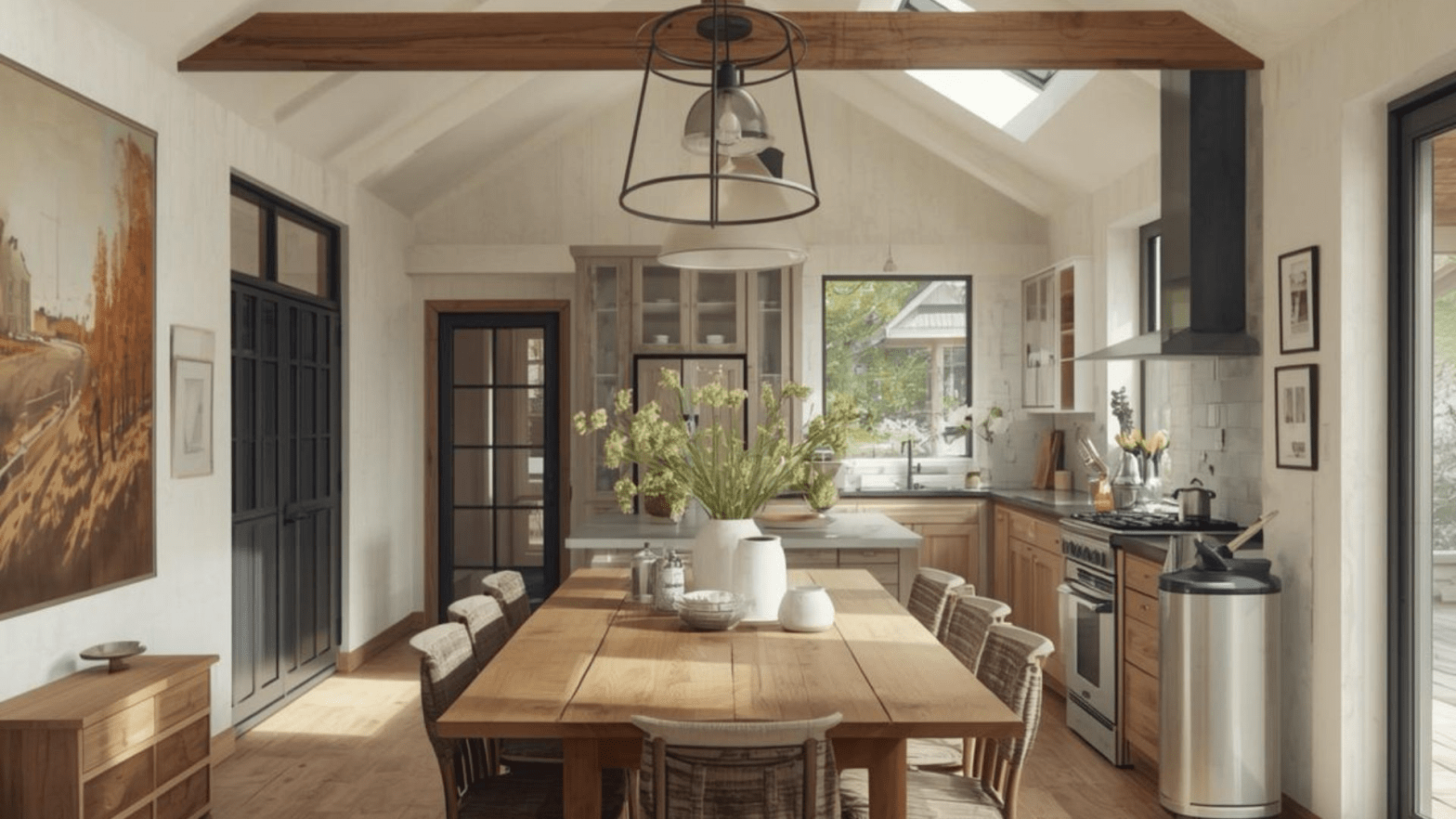
When we think about architecture, we usually imagine what we see: forms, materials, colours and proportions. For this reason, it may initially seem unusual to discuss taste in relation to architecture. After all, we do not taste walls or ceilings. From an evolutionary perspective, the gustatory system has helped humans identify nutritious foods and avoidContinueContinue reading “The Architecture of Taste: How Sensory Design Shapes the Experience of Food at Home”
Category Archives: Environmental Psychology
Stress: The Impact of a View on Our Wellbeing

Stress is a necessary biological response that allows us to react, adapt and survive in a constantly changing environment. When the brain perceives a threat — whether real or symbolic — it activates the nervous system and releases hormones such as cortisol and adrenaline, preparing the body to respond quickly. This reaction, known as theContinueContinue reading “Stress: The Impact of a View on Our Wellbeing”
Housing Crisis and Neurodiversity: A Hidden Human Emergency
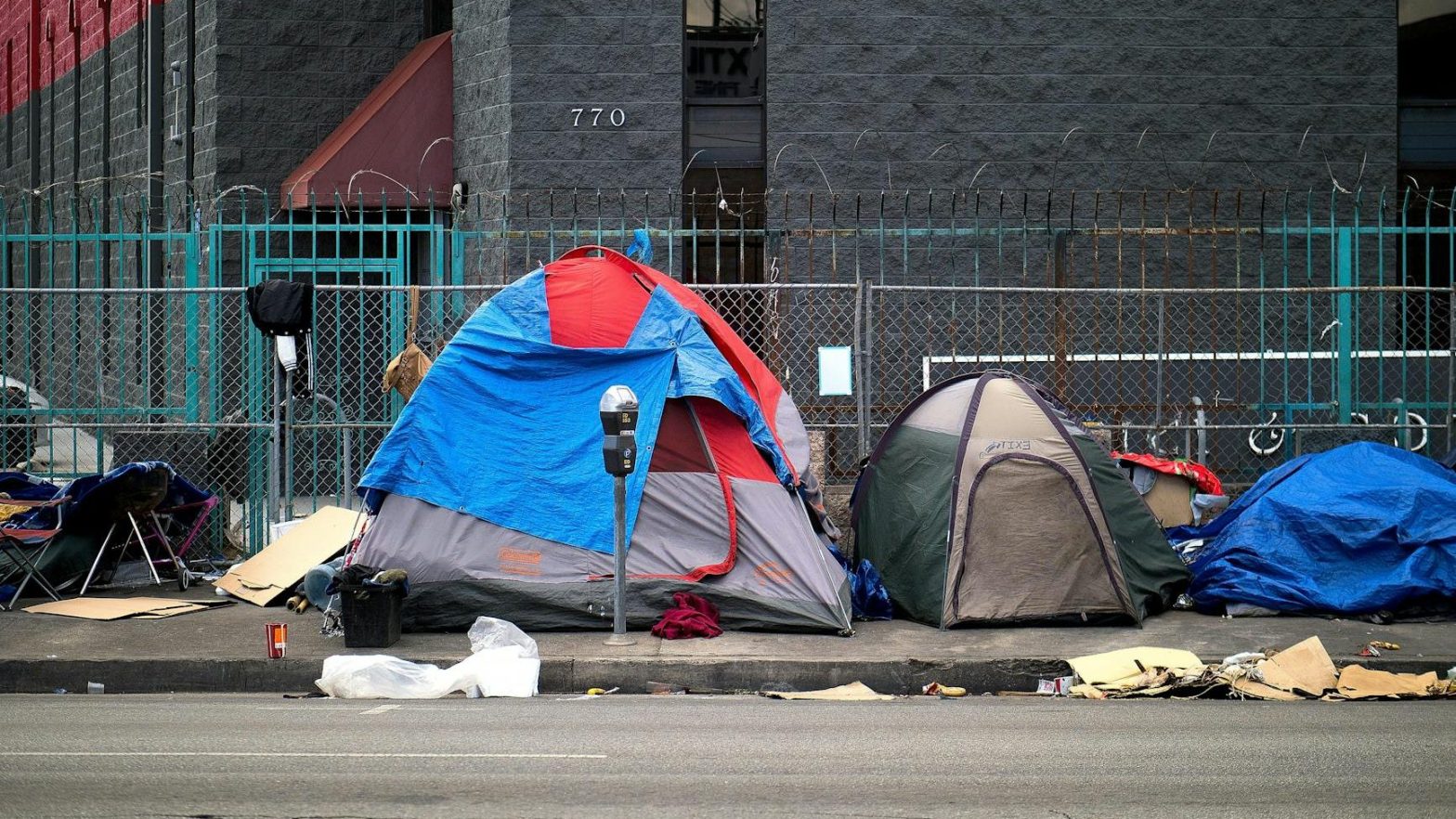
Across the world, access to safe and secure housing has become one of the defining social crises of the 21st century. In many countries, rising rents, shrinking social housing supply, and stagnant wages have made long-term stability increasingly unattainable. Nations such as Australia and Canada are among those most severely affected, reflecting a global patternContinueContinue reading “Housing Crisis and Neurodiversity: A Hidden Human Emergency”
Minimal Homes, Maximum Expectations
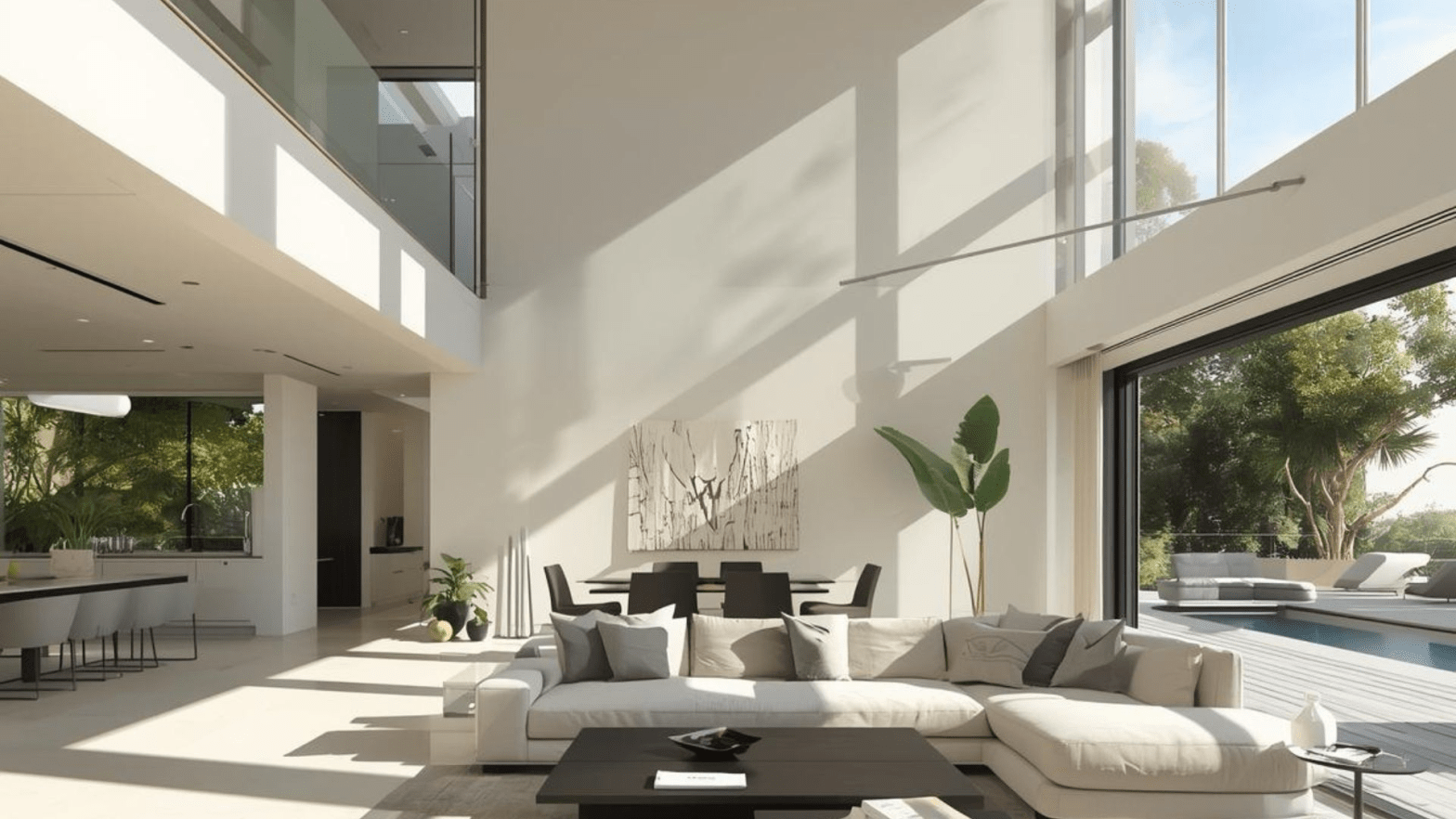
For many people, searching for a home for the first time is an emotional shock. It is not just a financial decision: it is an unexpected test of what “home” means today. At some point in the process, almost all of us have lived through the same scene. We step into a new flat, followContinueContinue reading “Minimal Homes, Maximum Expectations”
The Urgency of Silence: Why Inner Retreat is the Most Necessary Architecture of the 21st Century
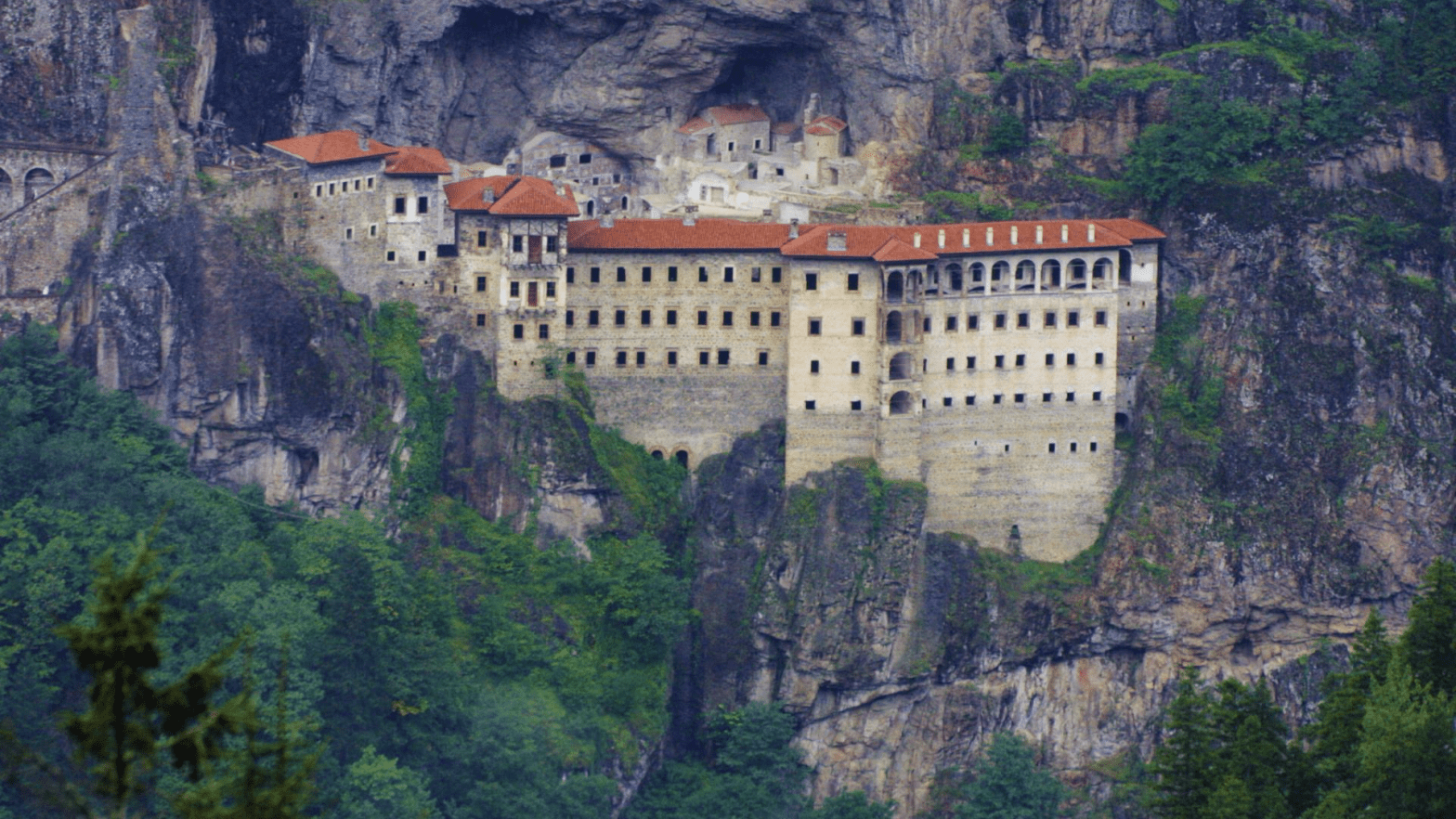
In the 1950s, Dr. Jonas Salk—on the verge of creating the polio vaccine—felt completely paralysed. After years of research, exhaustion and global pressure led to an absolute mental block. Exhausted and confused, he made a radical decision: to travel to the Monastery of Assisi, Italy, the home of Saint Francis. There, amidst silent walls, softContinueContinue reading “The Urgency of Silence: Why Inner Retreat is the Most Necessary Architecture of the 21st Century”
Nature as Therapy: The Brain’s Response
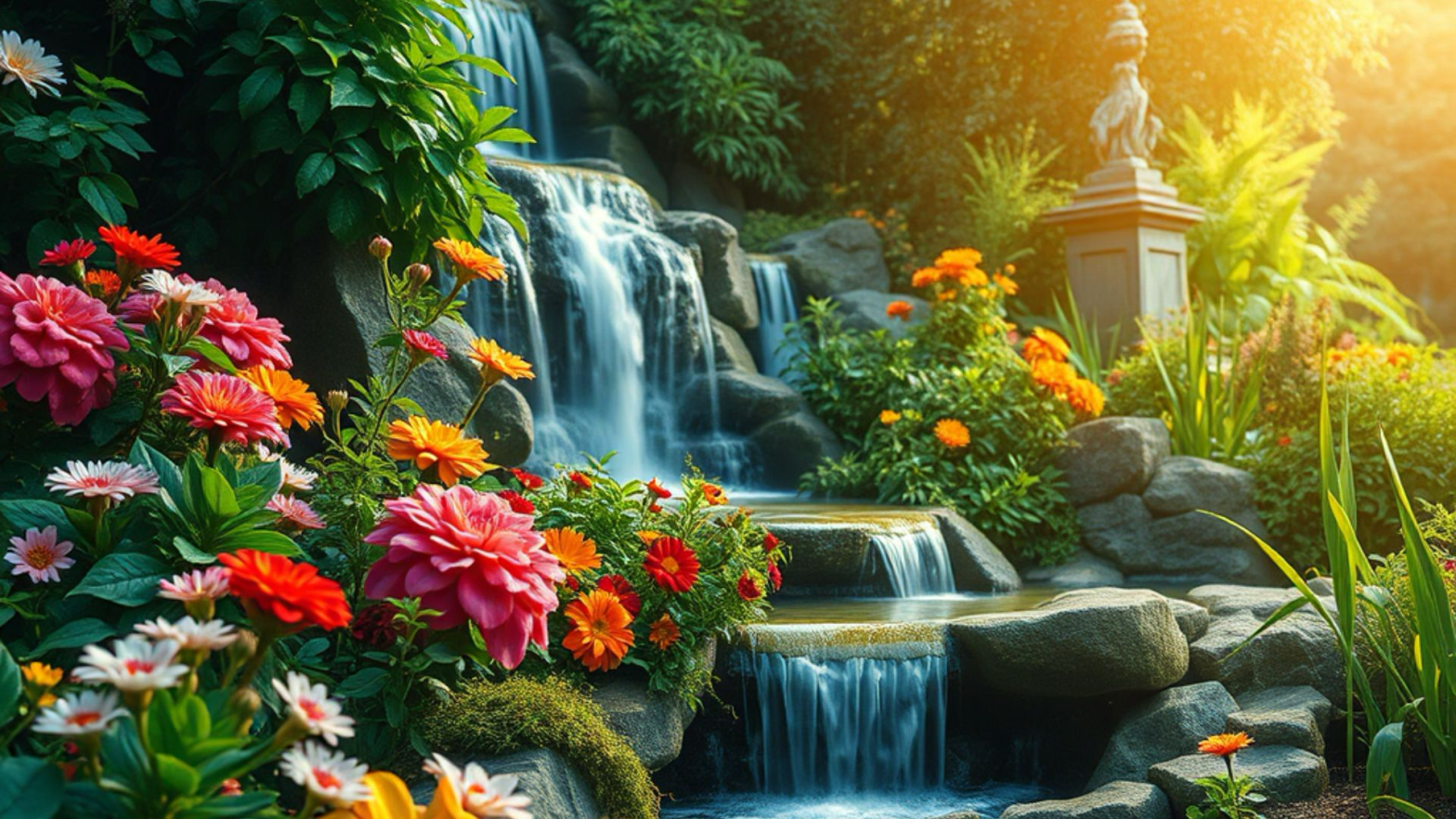
If someone were to ask us to imagine paradise, we would probably picture a place filled with trees, flowers, waterfalls, and beaches. Hardly anyone would think of a concrete jungle. That preference is not accidental: it has deep roots in our brains. Neuroscience shows that our connection with nature stems from a biological need, notContinueContinue reading “Nature as Therapy: The Brain’s Response”
How Does Noise Elevate Your Cortisol? Architecture as a Shield Against Stress.

In a world saturated with stimuli, silence has become a scarce commodity.However, more than a luxury, it is a form of health. Every door slam, every running engine, every plane crossing the sky leaves a mark that we do not always hear, but our nervous system records it. The invisible noise of modern life —constant,ContinueContinue reading “How Does Noise Elevate Your Cortisol? Architecture as a Shield Against Stress.”
Neuroarquitectura: Lecciones del brutalismo
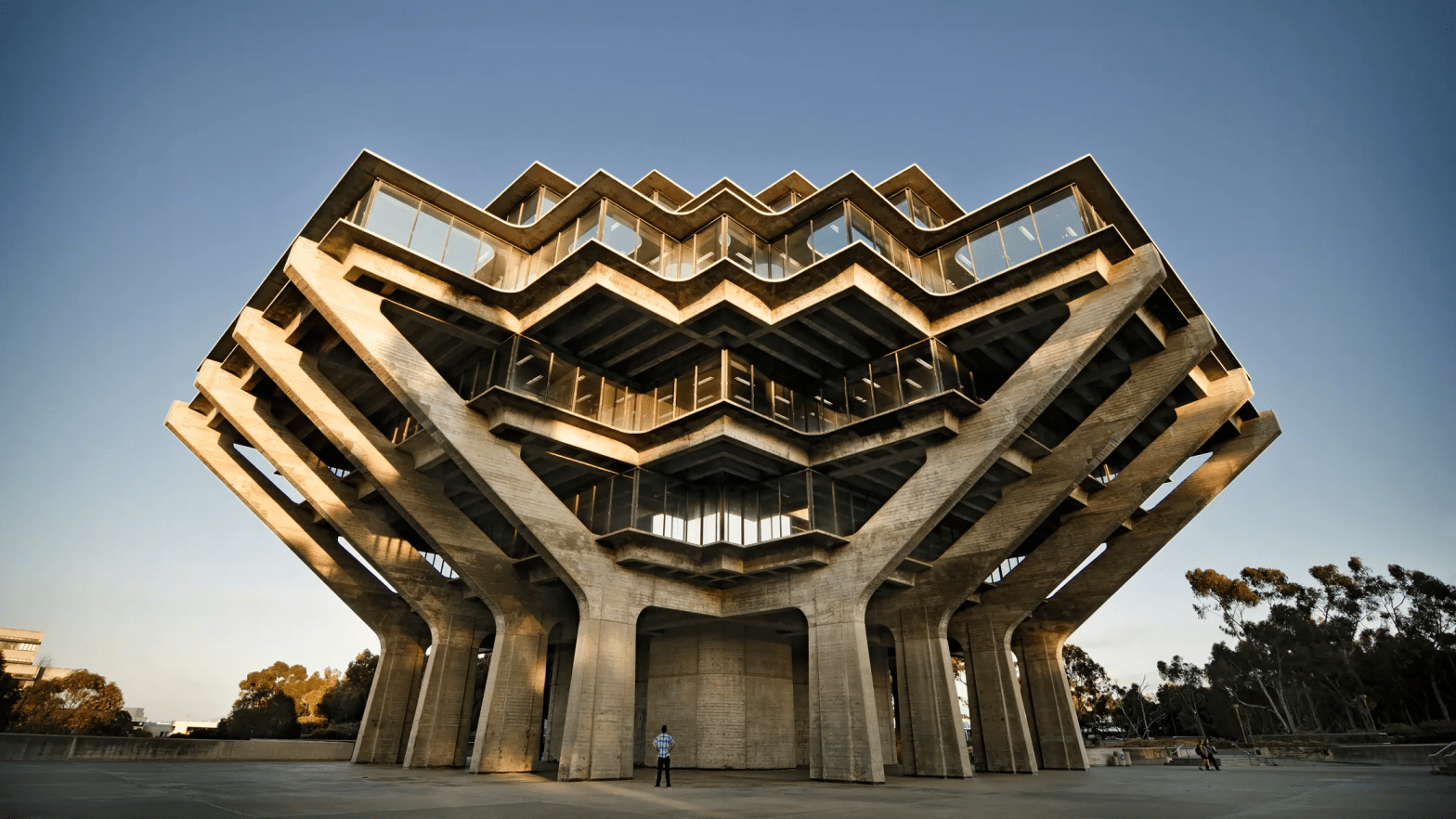
El brutalismo fue más que un estilo de concreto crudo y formas audaces: fue un experimento en la forma de moldear la sociedad a través del diseño. Surgido de la devastación de la Segunda Guerra Mundial, prometía dignidad, eficiencia y equidad en la vivienda y en los espacios públicos. Los edificios se redujeron a loContinueContinue reading “Neuroarquitectura: Lecciones del brutalismo”
Neuroarchitecture: Lessons from Brutalism
Brutalism was more than a style of raw concrete and bold forms—it was an experiment in shaping society through design. Emerging from the devastation of the Second World War, it promised dignity, efficiency, and fairness in housing and public life. Buildings were stripped back to their essentials, constructed in béton brut—raw concrete—without ornament or disguise.ContinueContinue reading “Neuroarchitecture: Lessons from Brutalism”
Brutalism and Social Housing: Utopia, Failure, and Legacy
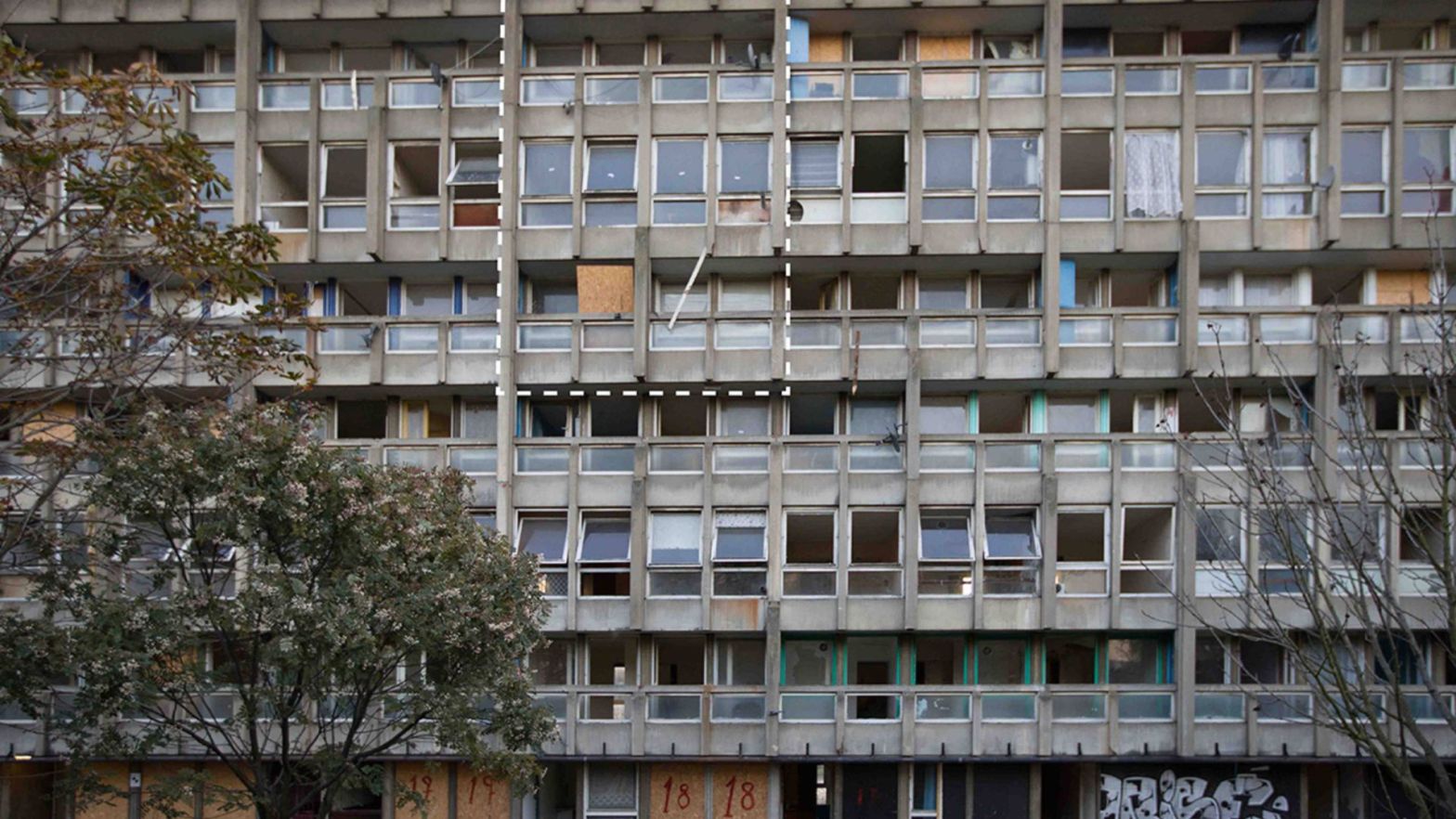
“Less is boring” Robert Venturi Few architectural projects capture the promise and pitfalls of Brutalism as vividly as Robin Hood Gardens in East London. Designed by Alison and Peter Smithson in the early 1970s, it was conceived as a social experiment: vast concrete blocks connected by “streets in the sky” and centred around a greenContinueContinue reading “Brutalism and Social Housing: Utopia, Failure, and Legacy”
 neurotectura.com