
Why would a physicist take an interest in architecture? At first glance, the laws that govern the universe and the design of the spaces we inhabit appear to intersect only at a technical level—through structural forces, plumbing systems, ventilation, or thermal control. Yet, the connection runs far deeper. Both disciplines are concerned with systems, structures,ContinueContinue reading “Neuroarchitecture: The Physics of Design and Its Impact on the Brain”
Author Archives: Patricia Fierro-Newton
Neuroarquitectura: La física del diseño y su impacto en el cerebro
¿Por qué un físico se interesaría en la arquitectura? A primera vista, el estudio de las leyes del universo y la construcción de los espacios que habitamos parecen encontrarse únicamente en aspectos técnicos: las fuerzas que actúan sobre una estructura, los sistemas hidráulicos, la ventilación o la climatización. Sin embargo, la relación es más profunda.ContinueContinue reading “Neuroarquitectura: La física del diseño y su impacto en el cerebro”
Pritzker 2026: The Sensory Architecture of Smiljan Radić
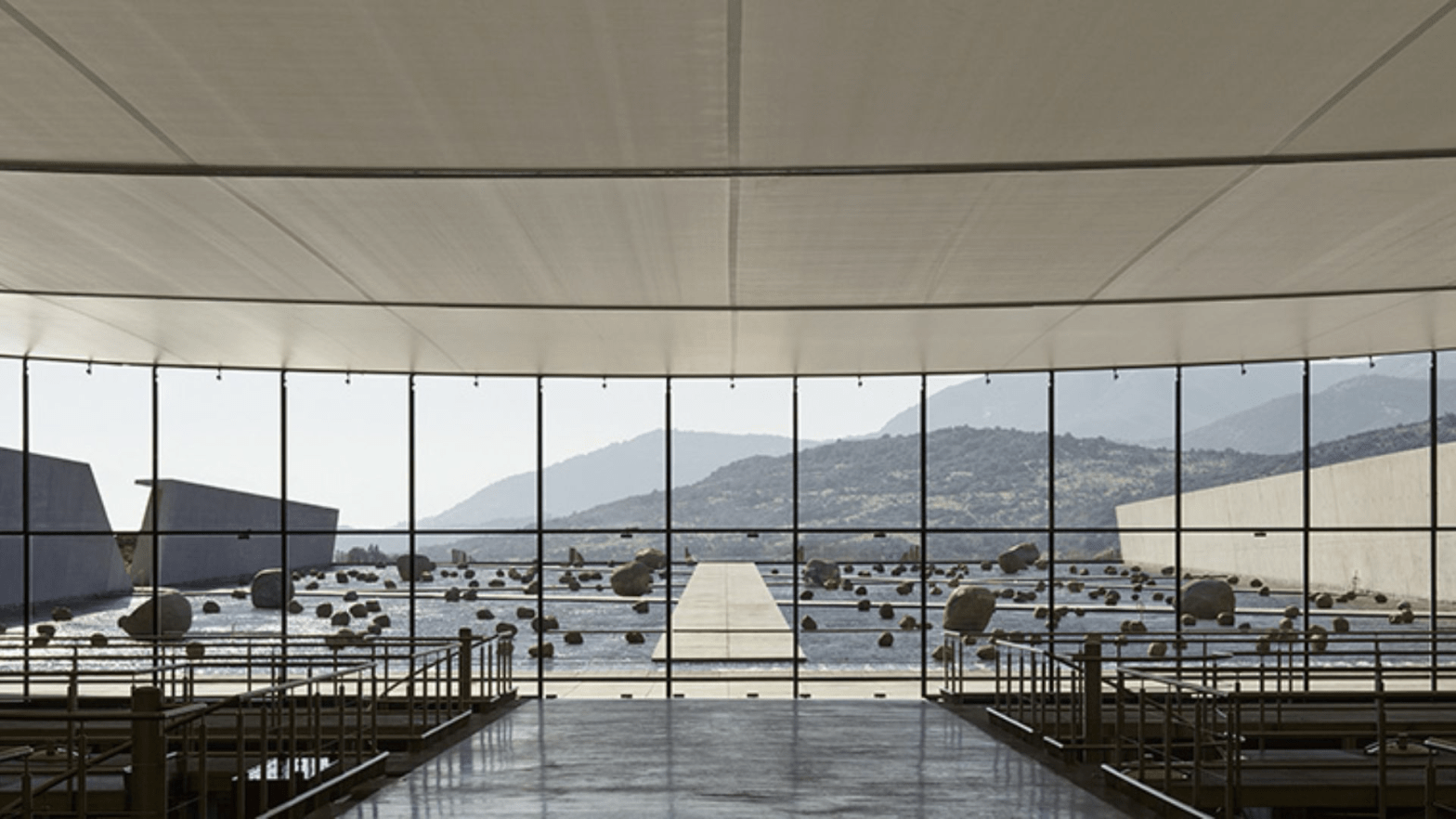
Each year, the Pritzker Architecture Prize represents more than recognition for an individual architect. It also offers a signal of where contemporary architecture may be heading. Smiljan Radić, the 2026 Pritzker laureate, represents a shift towards an architecture defined by atmosphere, intensity and emotional ambiguity—standing in contrast to the growing global standardisation of the builtContinueContinue reading “Pritzker 2026: The Sensory Architecture of Smiljan Radić”
Pritzker 2026: la arquitectura sensorial de Smiljan Radić
Cada año, el Premio Pritzker de arquitectura representa algo más que el reconocimiento a un arquitecto. También ofrece una señal sobre hacia dónde puede dirigirse la arquitectura contemporánea. Smiljan Radić, laureado del Premio Pritzker 2026, representa un giro hacia una arquitectura de atmósfera, intensidad y ambigüedad emocional, en contraste con la creciente estandarización. Su obra,ContinueContinue reading “Pritzker 2026: la arquitectura sensorial de Smiljan Radić”
The Architecture of Taste: How Sensory Design Shapes the Experience of Food at Home
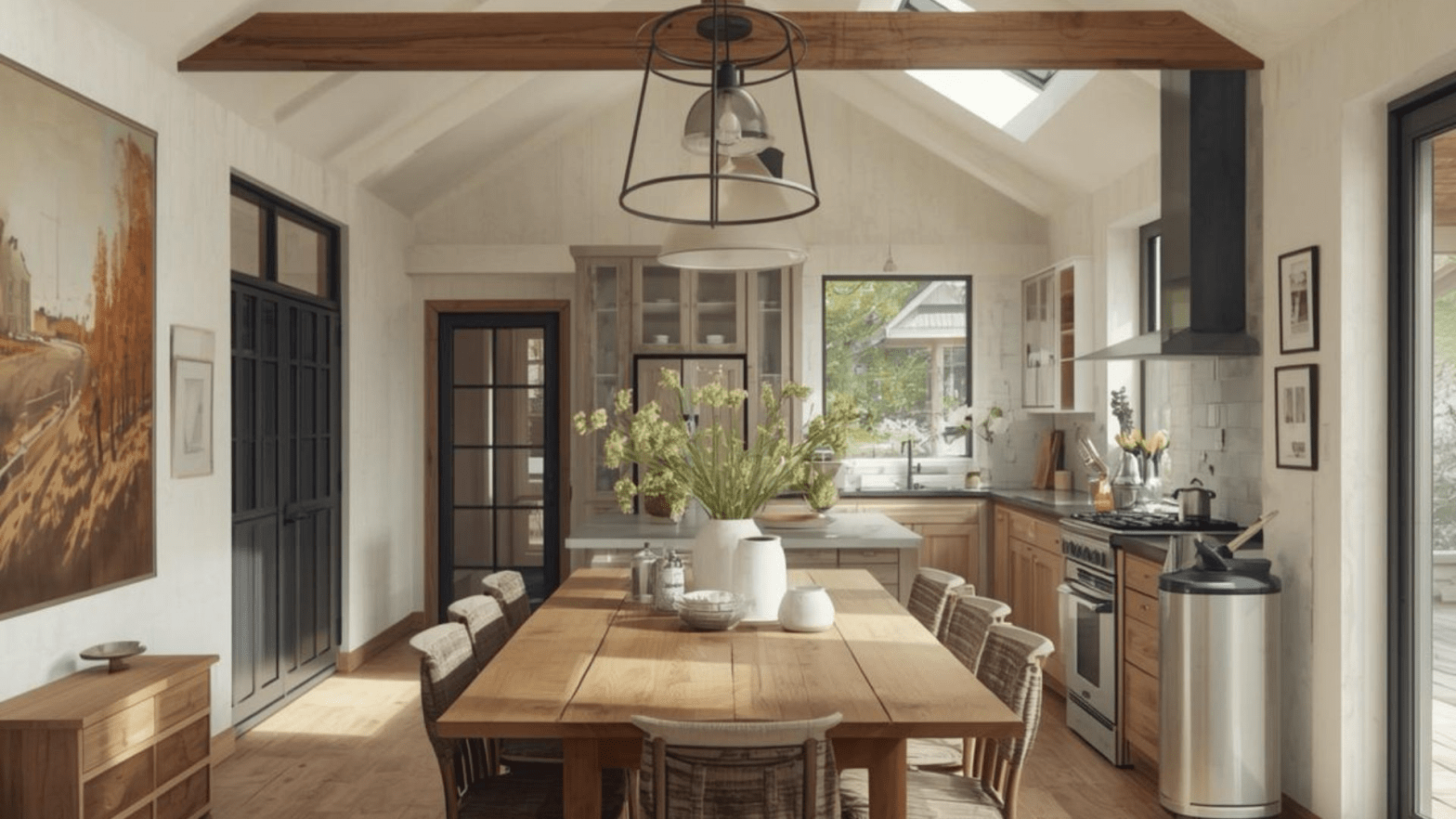
When we think about architecture, we usually imagine what we see: forms, materials, colours and proportions. For this reason, it may initially seem unusual to discuss taste in relation to architecture. After all, we do not taste walls or ceilings. From an evolutionary perspective, the gustatory system has helped humans identify nutritious foods and avoidContinueContinue reading “The Architecture of Taste: How Sensory Design Shapes the Experience of Food at Home”
La arquitectura del gusto: multisensores en el hogar
Cuando pensamos en arquitectura, solemos imaginar lo que vemos: formas, materiales, colores y proporciones. Por eso, a primera vista puede parecer extraño hablar del gusto en relación con la arquitectura. Después de todo, no degustamos paredes ni techos. Desde una perspectiva evolutiva, el sistema gustativo ha ayudado a los seres humanos a reconocer alimentos nutritivosContinueContinue reading “La arquitectura del gusto: multisensores en el hogar”
Stress: The Impact of a View on Our Wellbeing

Stress is a necessary biological response that allows us to react, adapt and survive in a constantly changing environment. When the brain perceives a threat — whether real or symbolic — it activates the nervous system and releases hormones such as cortisol and adrenaline, preparing the body to respond quickly. This reaction, known as theContinueContinue reading “Stress: The Impact of a View on Our Wellbeing”
El estrés: Impacto de la vista en nuestro bienestar
El estrés es una respuesta biológica necesaria que nos permite reaccionar, adaptarnos y sobrevivir en un entorno en constante cambio. Cuando el cerebro percibe una amenaza —real o simbólica— activa el sistema nervioso y libera hormonas como el cortisol y la adrenalina, preparando al cuerpo para responder con rapidez. Esta reacción, conocida como lucha oContinueContinue reading “El estrés: Impacto de la vista en nuestro bienestar”
Luxury and Liveability: Lessons from Versailles
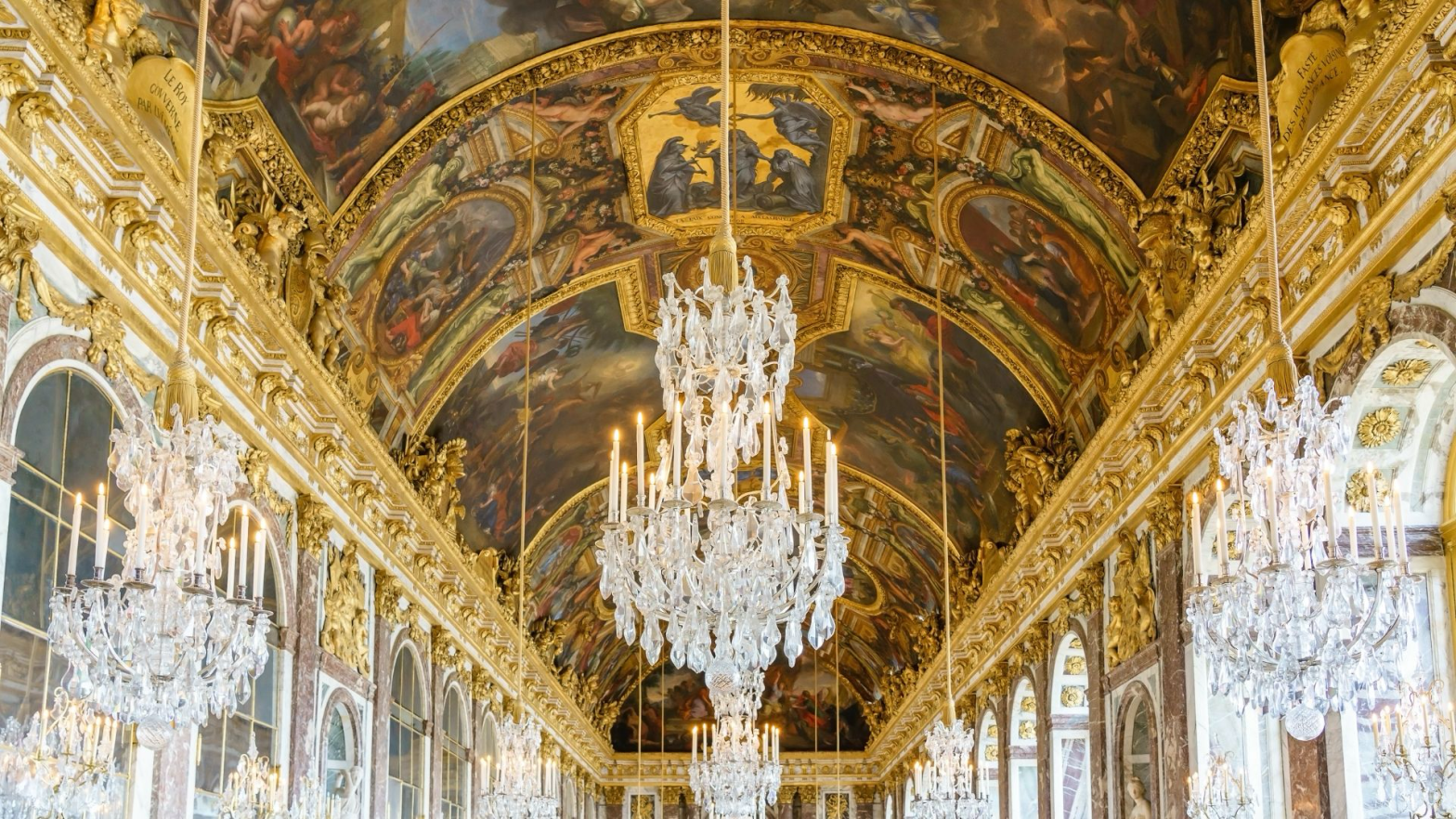
The Palace of Versailles, one of the most imposing royal residences in Europe, was conceived as a political instrument. Under the reign of Louis XIV, France sought to consolidate absolute power after decades of internal unrest. Versailles became the ideal stage upon which that ambition could be made visible. To prevent conspiracies and uprisings, theContinueContinue reading “Luxury and Liveability: Lessons from Versailles”
Lujo y habitabilidad: lo que nos enseña Versalles
El Palacio de Versalles, una de las residencias reales más imponentes de Europa, fue concebido como una herramienta política. Bajo el reinado de Louis XIV, Francia buscaba consolidar el poder absoluto tras décadas de tensiones internas. Versalles se convirtió en el escenario perfecto para materializar esa ambición. Para evitar complots y levantamientos, el rey decidióContinueContinue reading “Lujo y habitabilidad: lo que nos enseña Versalles”
 neurotectura.com