
Hace algunos días nos despertamos con la desgarradora noticia de unos terremotos que devastaron varias zonas de Venezuela. Como siempre, este tipo de eventos es un recordatorio sobre la fragilidad de nuestros sistemas frente a la fuerza inesperada de la naturaleza. Es en momentos de crisis cuando las grietas en nuestra sociedad se hacen másContinueContinue reading “Autismo en emergencias: El caso de Yoar tras el terremoto de Venezuela”
Author Archives: Patricia Fierro-Newton
Orden, estilo y supervivencia humana
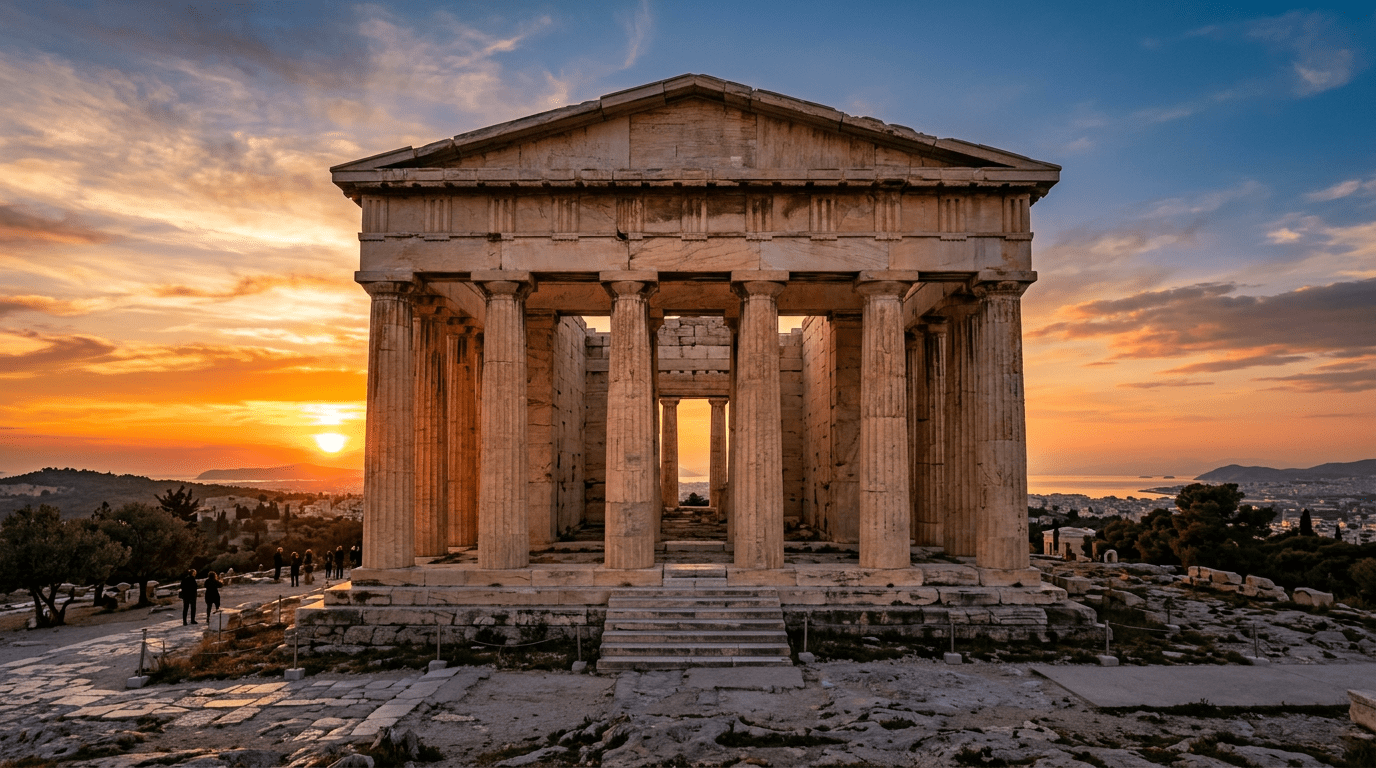
El estilo arquitectónico y el orden suelen considerarse sinónimos, especialmente al hablar de la arquitectura grecorromana. Sin embargo, detrás de la piedra, la geometría y la armonía visual existe algo mucho más antiguo: el cerebro humano, un órgano que busca patrones para transformar la incertidumbre en comprensión. Con frecuencia contamos la historia de la arquitecturaContinueContinue reading “Orden, estilo y supervivencia humana”
Order, Style and the Human Survival
Architectural style and order are often used interchangeably, defining the visual identity of the ancient Greco-Roman style. Yet beneath the stone, geometry, and visual harmony lies something far older than any architectural tradition: the human brain, seeking patterns that transform uncertainty into understanding. We often tell architectural history as a parade of styles. Egypt wasContinueContinue reading “Order, Style and the Human Survival”
Neuroarchitecture: How Walkable Cities Fight Cognitive Decline
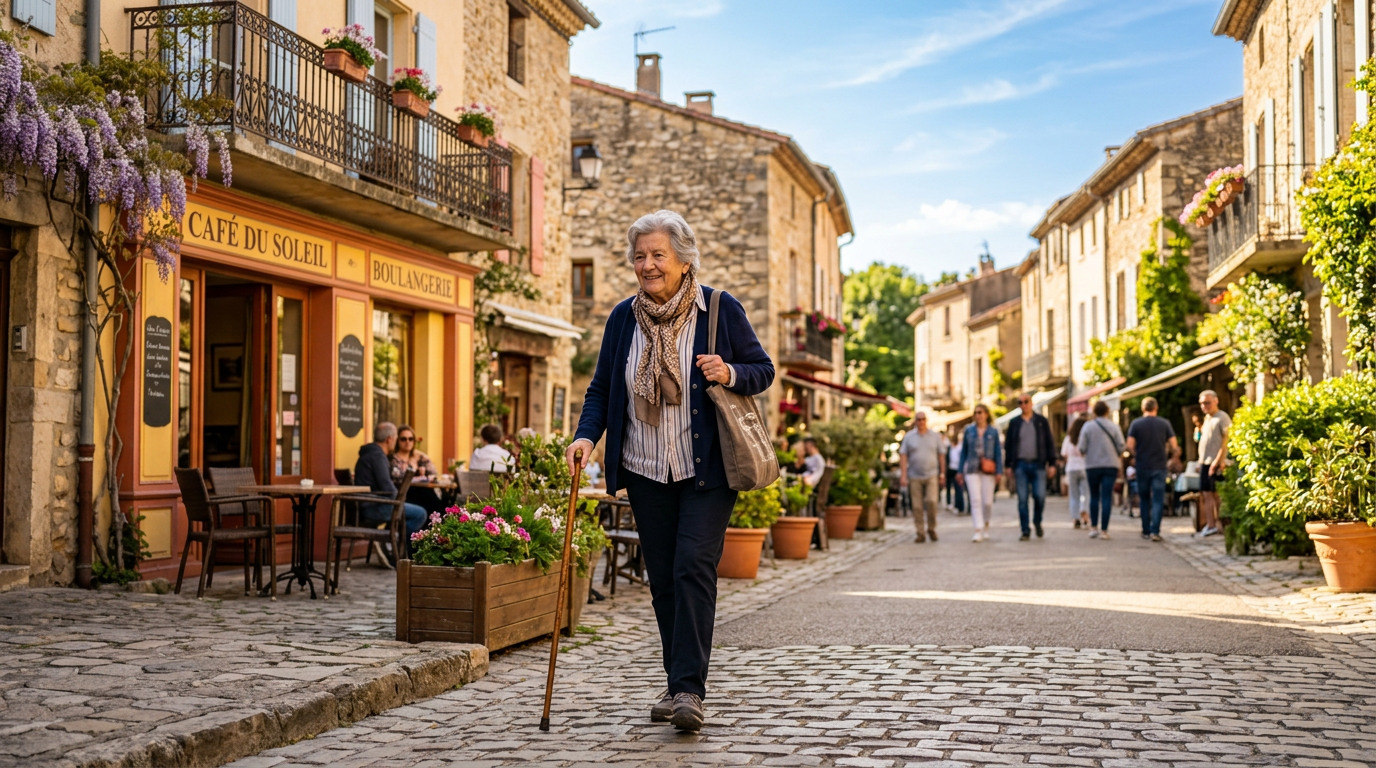
Population ageing is one of the most profound demographic transformations of the 21st century. According to World Health Organization (WHO) data, the proportion of the world’s population over 60 will double between 2020 and 2050, rising from 12% to 22%. This phenomenon is particularly critical in industrialised nations: in Europe, 25% of the population isContinueContinue reading “Neuroarchitecture: How Walkable Cities Fight Cognitive Decline”
Neuroarquitectura: Caminabilidad contra el deterioro cognitivo
El envejecimiento de la población es una de las transformaciones demográficas más profundas del siglo XXI. Según datos de la Organización Mundial de la Salud (OMS), la proporción de la población mundial mayor de 60 años se duplicará entre 2020 y 2050, pasando del 12% al 22%. Este fenómeno es especialmente crítico en las nacionesContinueContinue reading “Neuroarquitectura: Caminabilidad contra el deterioro cognitivo”
The Espresso Paradox: The Psychology Behind Working in Cafés
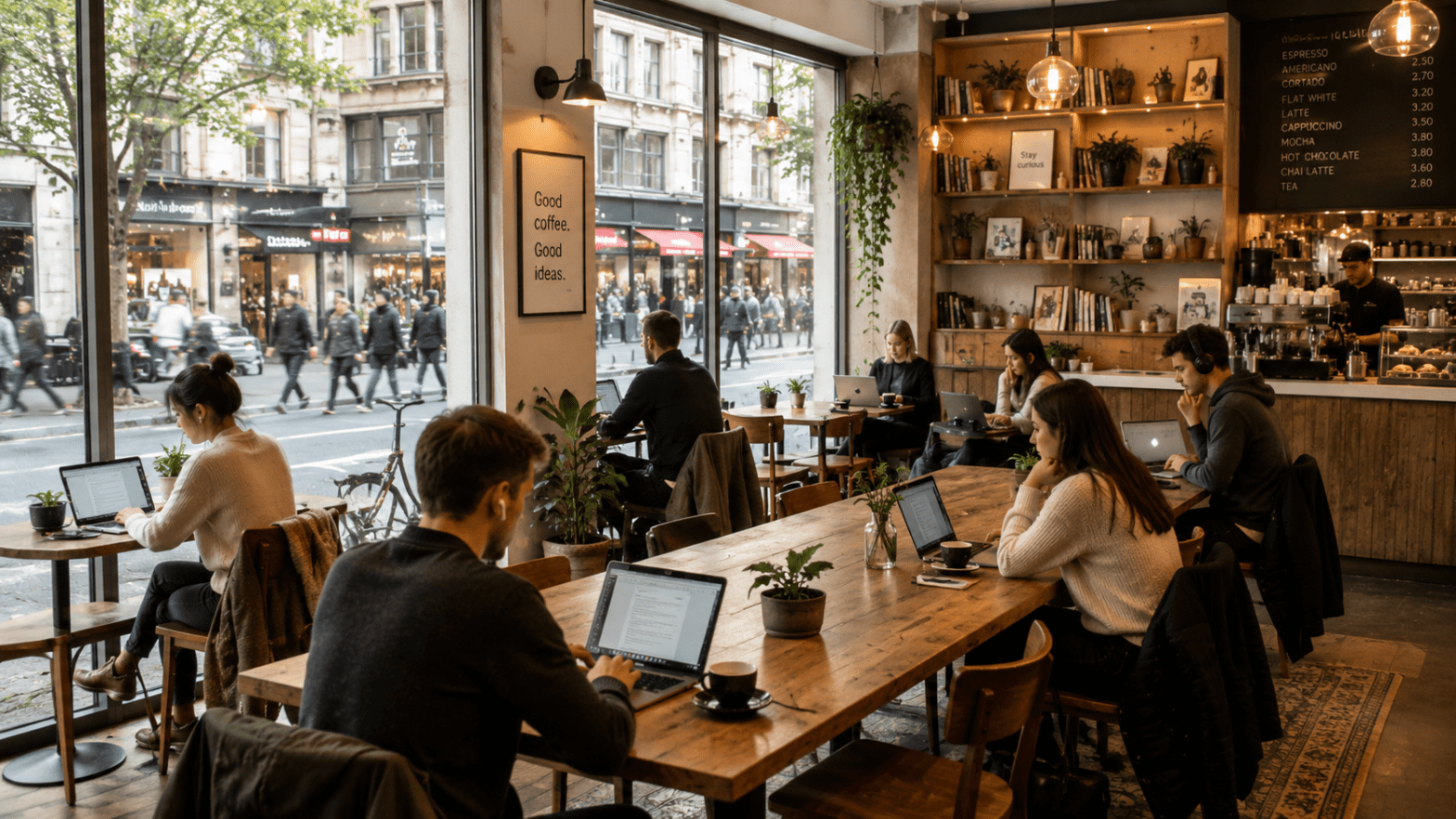
When J.K. Rowling began writing Harry Potter and the Philosopher’s Stone, much of the manuscript was created in Edinburgh cafés, surrounded by the clatter of cups, background conversations, and the aroma of freshly brewed coffee. The image has become something of a cultural icon: a writer working by a window, immersed in a world ofContinueContinue reading “The Espresso Paradox: The Psychology Behind Working in Cafés”
La paradoja del espresso: pensamos mejor rodeados de extraños
Cuando J.K. Rowling comenzó a escribir Harry Potter and the Philosopher’s Stone, gran parte del manuscrito nació entre mesas de café, ruido ambiental y tazas humeantes en Edimburgo. La escena se ha convertido casi en un símbolo cultural: la escritora trabajando junto a una ventana, rodeada de conversaciones ajenas, vapor de espresso y movimiento urbano.ContinueContinue reading “La paradoja del espresso: pensamos mejor rodeados de extraños”
¿Puede la arquitectura fomentar la creatividad?

Más allá del mito del “espacio creativo”, una importante revisión de 2025 revela cómo los entornos interiores influyen selectivamente en diferentes modos del pensamiento humano. Al entrar en la sede de una empresa tecnológica, una escuela de diseño o un moderno espacio de coworking, es común encontrar muchos de los mismos elementos: distribuciones abiertas, mobiliarioContinueContinue reading “¿Puede la arquitectura fomentar la creatividad?”
Can Architecture Foster Creativity?
By looking past the myth of the “creative space”, a major 2025 review reveals how indoor environments selectively shape different modes of human thought. Walk into the headquarters of a technology company, a design school, or a modern co-working hub, and you are likely to encounter many of the same design features: open layouts, colourfulContinueContinue reading “Can Architecture Foster Creativity?”
Diseño inclusivo más allá de la accesibilidad
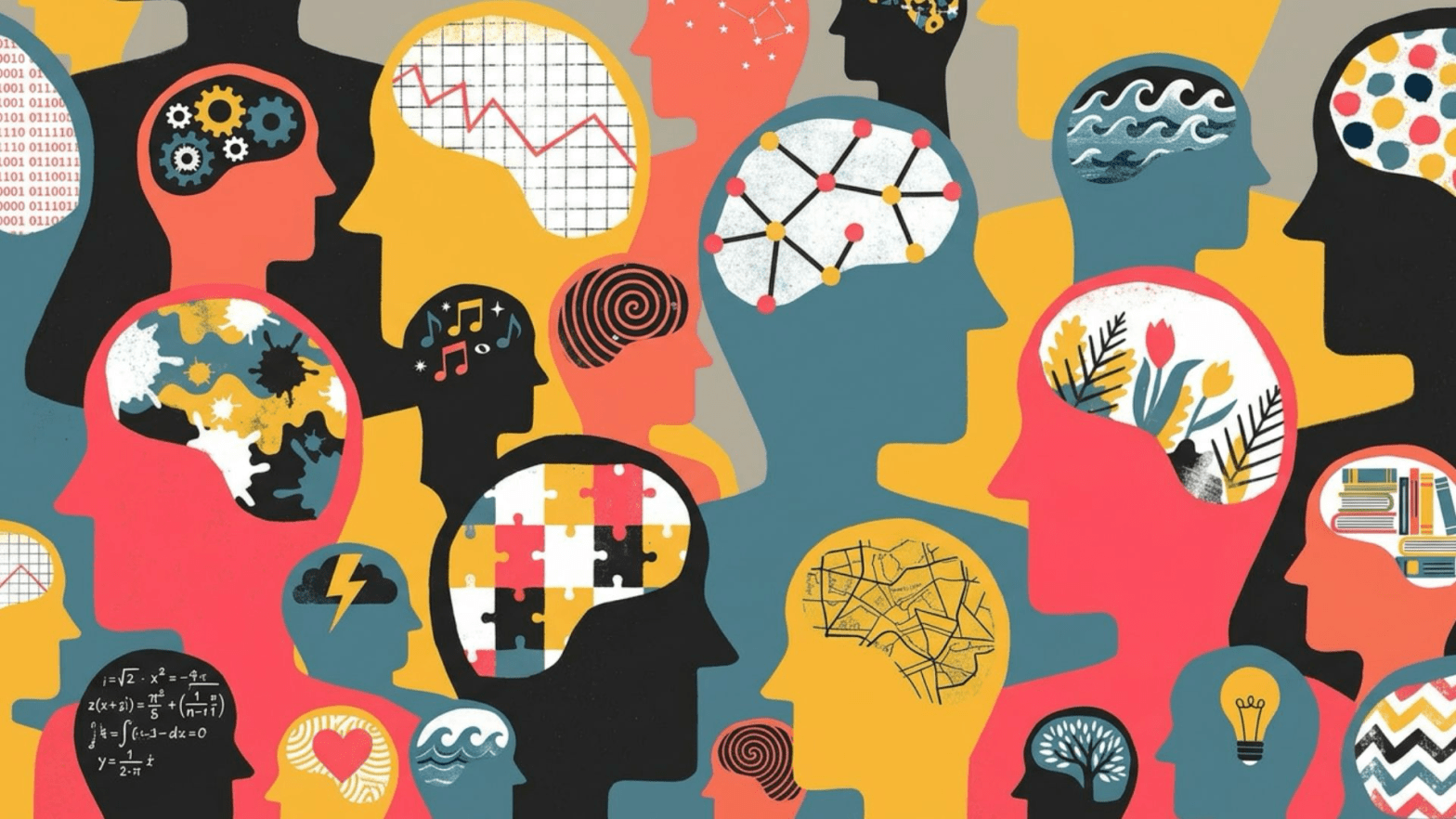
¿Por qué la arquitectura debe responder a la diversidad humana? Durante décadas, el diseño inclusivo en arquitectura se entendió principalmente desde la perspectiva de la accesibilidad: rampas, ascensores, puertas más amplias y cumplimiento normativo. Aunque estas medidas siguen siendo esenciales, las crecientes investigaciones en neurociencia, psicología y diseño centrado en las personas sugieren que laContinueContinue reading “Diseño inclusivo más allá de la accesibilidad”
 neurotectura.com