
Why Architecture Must Respond to Human Diversity For decades, inclusive design in architecture was often understood through a relatively narrow lens: accessibility regulations, ramps, lifts, wider doors, and compliance checklists. While these interventions remain essential, contemporary research in neuroscience, psychology, and human-centred design suggests that true inclusion extends far beyond physical mobility. Architecture does notContinueContinue reading “Inclusive Design Beyond Accessibility”
Author Archives: Patricia Fierro-Newton
Podcast Episode: Energy Dependence and Urban Life

Pip: Every morning, millions of people sit in traffic doing maths they shouldn’t have to do — will the fuel money stretch to cover the school run and the groceries? That tension is exactly what this site keeps pulling at. Mara: Patricia Fierro-Newton’s latest work asks why that tension exists in the first place, tracingContinueContinue reading “Podcast Episode: Energy Dependence and Urban Life”
The Hidden Energy Cost of Urban Design

Millions of people begin their day trapped in traffic, glancing anxiously at rising fuel prices. In silence, they calculate whether they can still afford to fill the tank and cover the essentials: getting to work, buying food, or taking their children to school. This everyday routine reveals a far deeper reality: modern urban life remainsContinueContinue reading “The Hidden Energy Cost of Urban Design”
Dependencia energética: El impacto del diseño urbano
Millones de personas comienzan el día atrapadas en el tráfico, mirando con frustración el tablero de precios del combustible. En silencio, calculan si el dinero les alcanzará para llenar el tanque y cumplir con lo básico: llegar al trabajo, comprar alimentos o llevar a sus hijos a la escuela. Esta rutina cotidiana revela una realidadContinueContinue reading “Dependencia energética: El impacto del diseño urbano”
¿Puede la arquitectura influir en los estados mentales contemplativos?

¿Puede la arquitectura influir en la mente? Un callejón estrecho, un sendero curvo, la luz filtrándose a través de un corredor sombreado o el silencio bajo una bóveda pueden generar una sutil sensación de calma y atención interior. Algunos espacios parecen capaces de ralentizar nuestros pensamientos, agudizar los sentidos y reconectarnos con el momento presente.ContinueContinue reading “¿Puede la arquitectura influir en los estados mentales contemplativos?”
Can architecture influence contemplative states of mind?
Can Architecture Influence the Mind? A narrow alley, a curved pathway, filtered light entering through a shaded corridor, or the silence beneath a vaulted ceiling can create a subtle sensation of calm and inward attention. Certain environments seem capable of slowing our thoughts, sharpening our senses, and reconnecting us with the present moment. But whatContinueContinue reading “Can architecture influence contemplative states of mind?”
Beyond Buildings: Architecture, Microbiome, and Mental Health
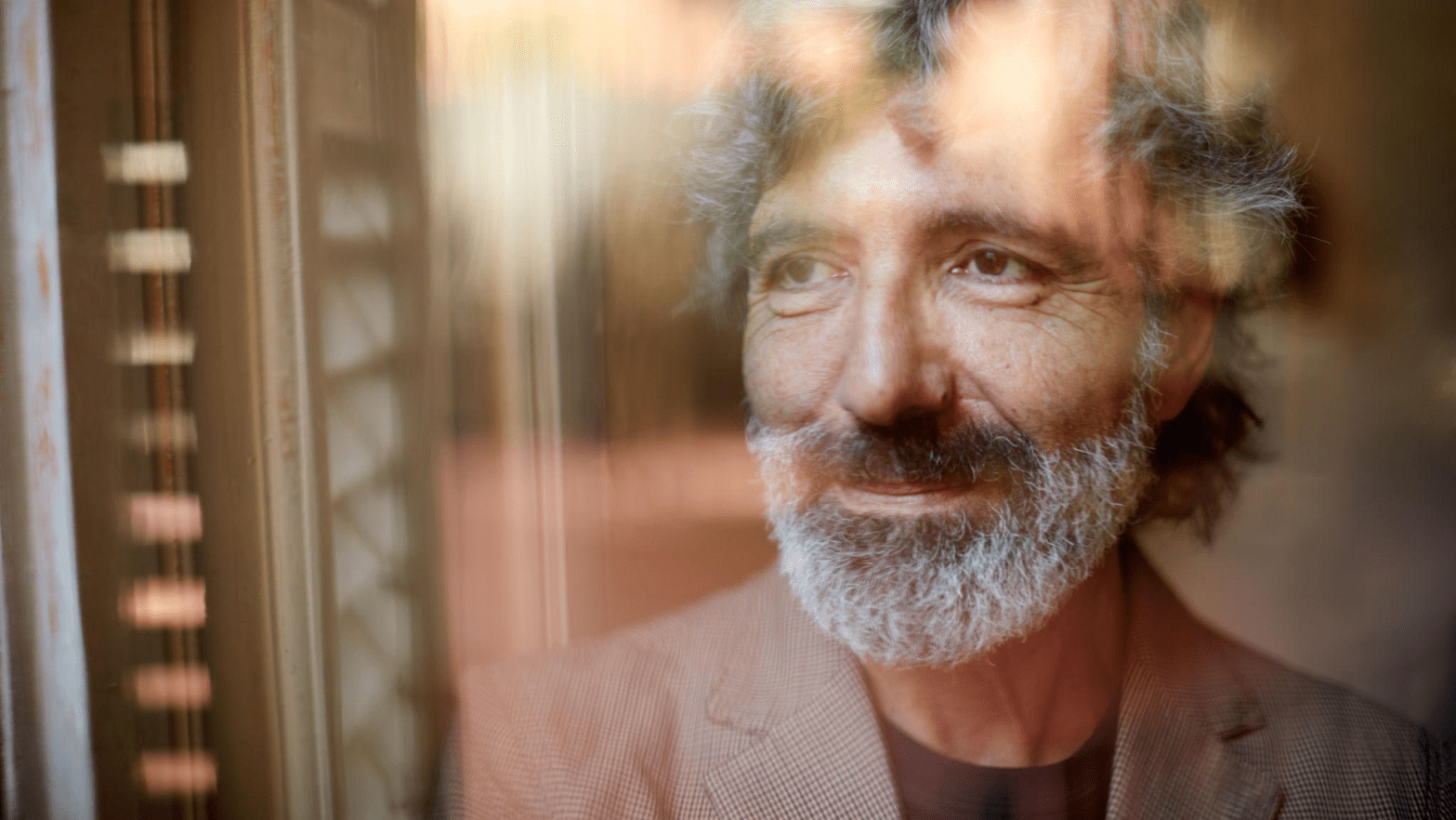
For reference, we spend around 90% of our time indoors and inside vehicles. We inhabit homes, offices, schools, hospitals and cities that, although they may seem separate from us, are in constant interaction with both our bodies and our minds. For a long time, architecture has largely been understood through function or aesthetics, while overlookingContinueContinue reading “Beyond Buildings: Architecture, Microbiome, and Mental Health”
Más allá de los edificios: arquitectura, microbioma y salud mental
Según datos, pasamos el 90 % de nuestro tiempo en espacios interiores y vehículos. Habitamos casas, oficinas, escuelas, hospitales y ciudades que, aunque parecen ajenos a nosotros, están en permanente interacción con nuestro cuerpo y nuestra mente. Durante mucho tiempo, la arquitectura se ha entendido desde lo funcional o lo estético, dejando en segundo planoContinueContinue reading “Más allá de los edificios: arquitectura, microbioma y salud mental”
Neuroarchitecture and Positive Emotions: Designing for Wellbeing
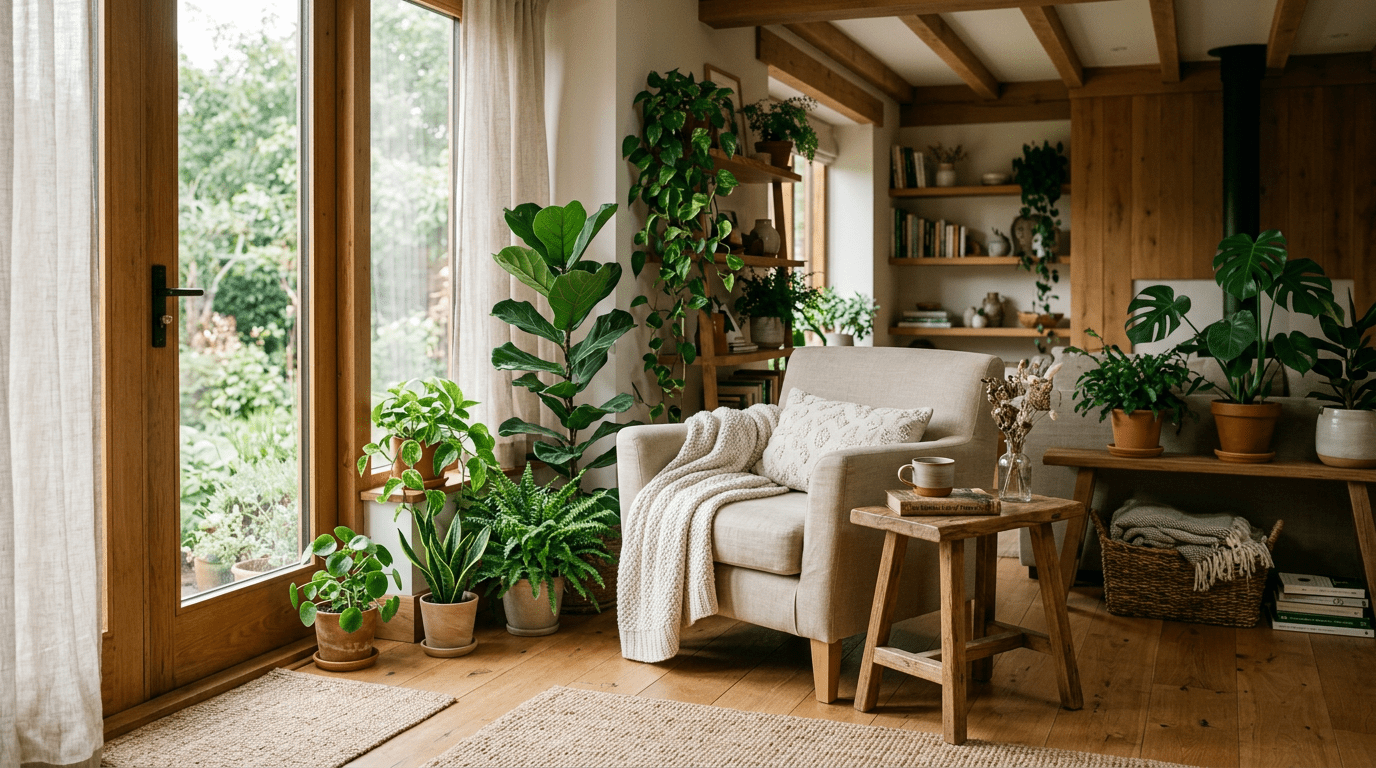
We all seek to feel well. We may not always be able to define it, but we know wellbeing when we feel it. In a moment of calm, in a space that allows for both refuge and perspective, in that subtle sense of balance that comes – sometimes – quietly and without effort. For aContinueContinue reading “Neuroarchitecture and Positive Emotions: Designing for Wellbeing”
Neuroarquitectura: cómo el diseño regula el bienestar humano
Todos buscamos estar bien. Aunque no siempre sepamos explicarlo con precisión, reconocemos el bienestar cuando lo sentimos: en un momento de calma, en un espacio que ofrece refugio y perspectiva, en esa sensación sutil de equilibrio que aparece —a veces— sin hacer ruido. Durante mucho tiempo, el bienestar se entendió como la ausencia de enfermedad.ContinueContinue reading “Neuroarquitectura: cómo el diseño regula el bienestar humano”
 neurotectura.com