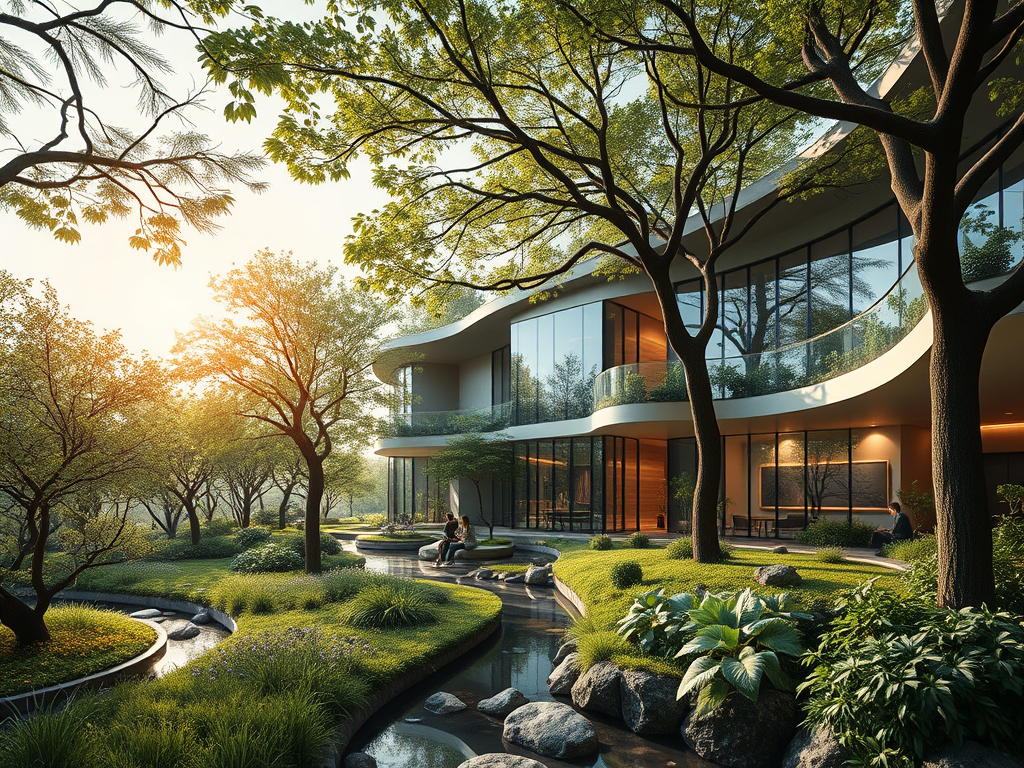
How three disciplines converge to reshape how we live, feel, and design. A Curious Beginning Why do some spaces calm us while others make us feel uneasy? Why does a walk through a forest restore our energy, while a noisy corridor drains it? For decades, designers and researchers have asked these questions from different angles.ContinueContinue reading “Integrating Neuroarchitecture, Psychology, and Biophilic Design”
Author Archives: Patricia Fierro-Newton
El sentido olvidado: El olfato en la neuroarquitectura
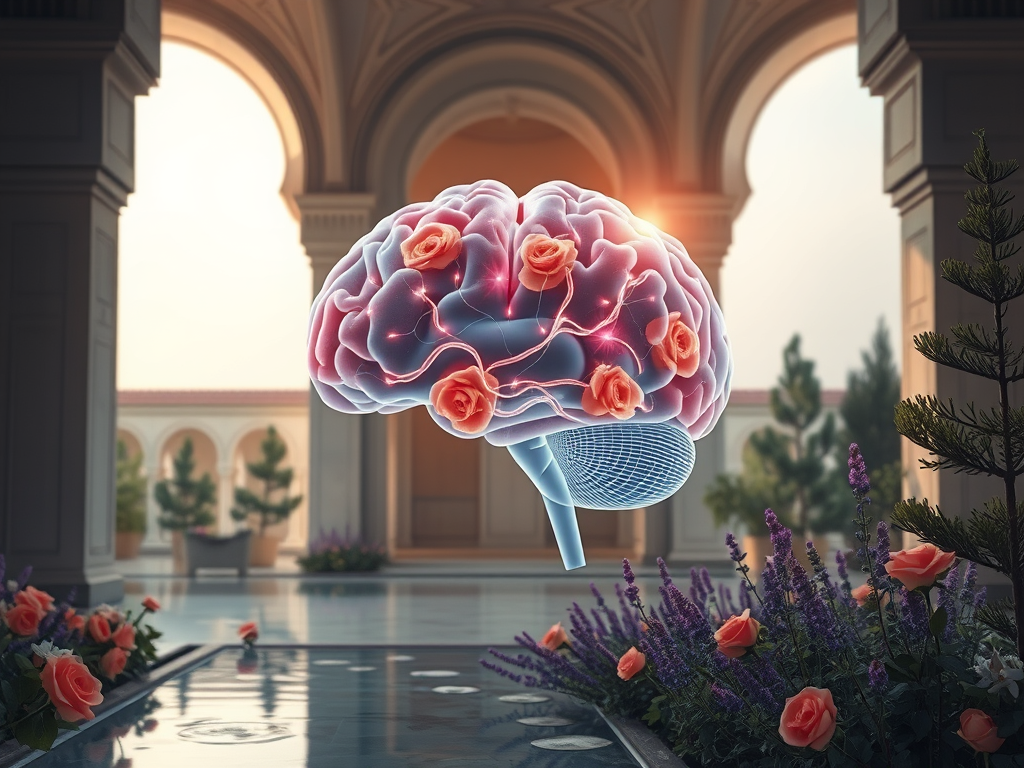
Solemos pensar en la arquitectura como algo visual: líneas, luz, forma y espacio. Pero, ¿qué hay del olfato?Un leve rastro de lavanda, concreto húmedo, madera antigua o desinfectante de hospital. Aromas que apenas notamos, pero que permanecen —anclados profundamente en la memoria y la emoción. ¿Alguna vez has entrado a un espacio y te hasContinueContinue reading “El sentido olvidado: El olfato en la neuroarquitectura”
The Forgotten Sense: Smell in Neuroarchitecture
We often think of architecture as visual—lines, light, form, and space. But what about smell? A faint trace of lavender, damp concrete, old wood, or hospital disinfectant. Scents we barely notice, yet they linger—anchored deep in memory and emotion. Have you ever stepped into a space and instantly felt calm, alert—or uneasy—without knowing why? ThatContinueContinue reading “The Forgotten Sense: Smell in Neuroarchitecture”
El poder de la arquitectura en el cine: emociones y espacios
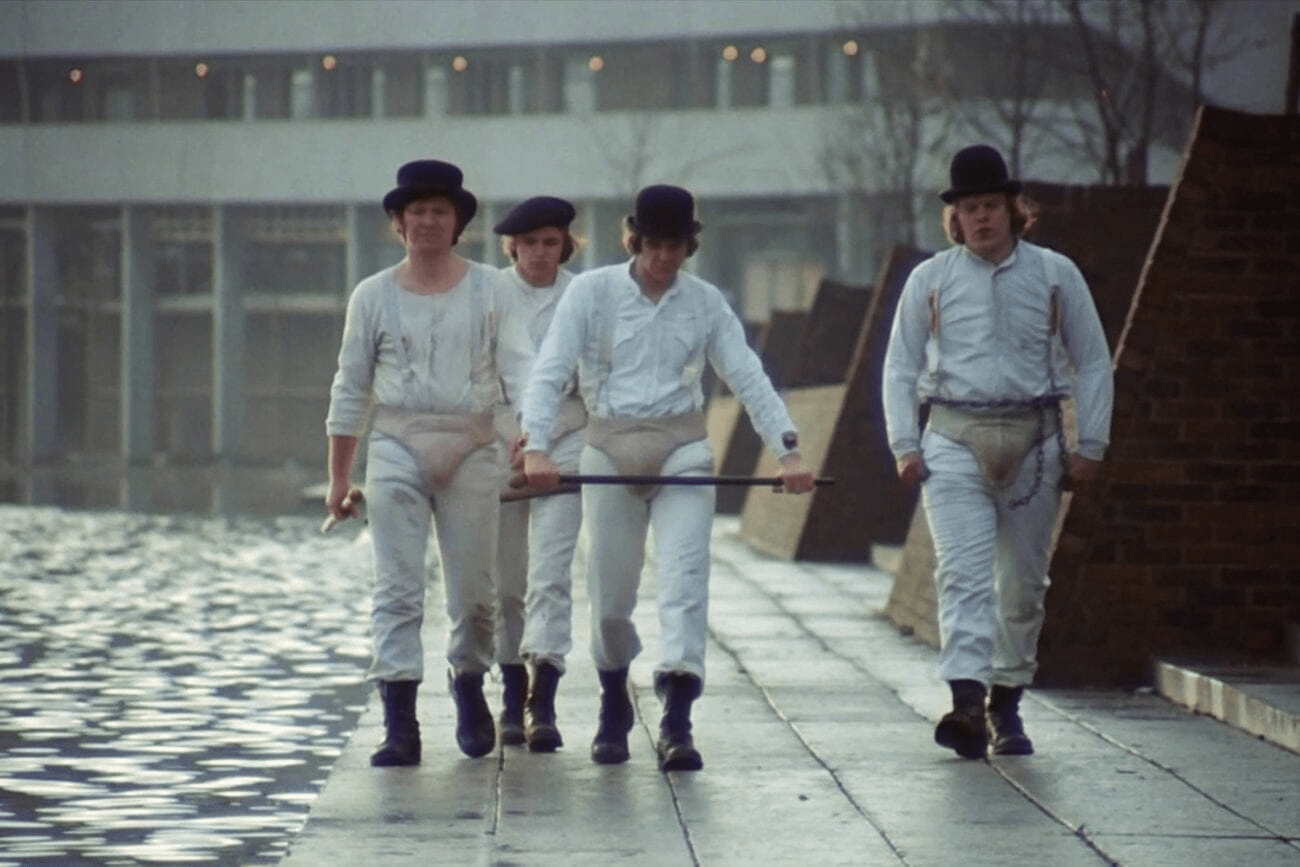
¿Alguna vez te has sentido incómodo al caminar por un pasillo largo o al doblar por un callejón estrecho? ¿Te has sentido animado al abrir una ventana con vista al mar o a las montañas? ¿Te has sentido pequeño al estar frente a un rascacielos imponente? En el cine, la elección de estilos, diseño yContinueContinue reading “El poder de la arquitectura en el cine: emociones y espacios”
The Power of Architecture in Film: Emotions and Spaces
Have you ever felt uneasy walking down a long corridor or turning into a quiet alleyway? Have you ever felt uplifted when opening a window to a view of the sea or the mountains? Have you ever felt small standing before a towering skyscraper? In cinema, the choice of styles, design, and architecture is neverContinueContinue reading “The Power of Architecture in Film: Emotions and Spaces”
Diseñando calma: cómo la neuroarquitectura puede transformar su hogar
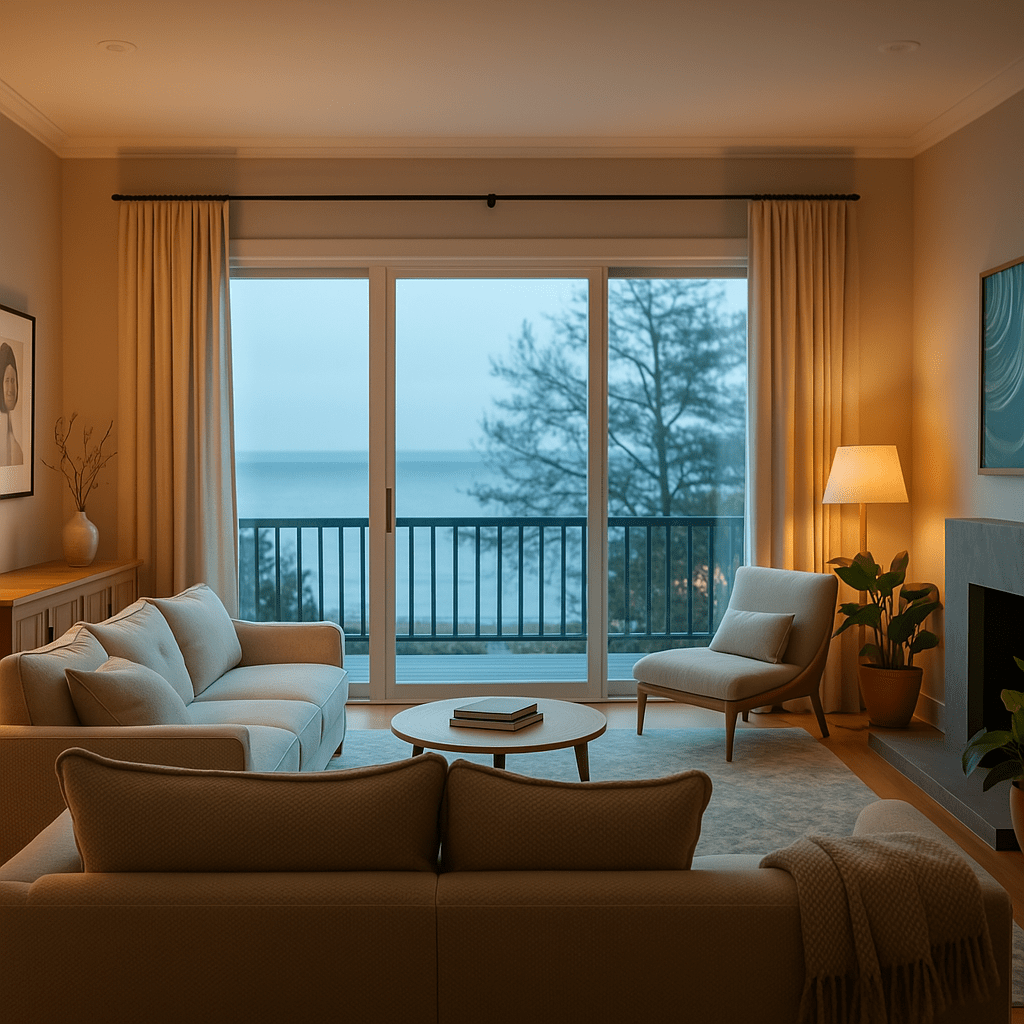
Imagina llegar a casa después de un día abrumador. La luz es intensa, hay desorden por todas partes, se filtra música a todo volumen desde el departamento de al lado, y el ruido y el humo de la calle atraviesan las ventanas. Cuando el hogar se siente caótico, el cuerpo se mantiene en alerta. LaContinueContinue reading “Diseñando calma: cómo la neuroarquitectura puede transformar su hogar”
Designing Calm: How Neuroarchitecture Can Transform Your Home
Imagine coming home after an overwhelming day. The lighting is harsh, clutter is everywhere, loud music seeps in from next door, and the noise and fumes from the street press against your windows. When your home feels chaotic, your body stays on alert. Harsh lighting strains your eyes, clutter makes it difficult to focus, andContinueContinue reading “Designing Calm: How Neuroarchitecture Can Transform Your Home”
Caminabilidad: El futuro de nuestras ciudades

“Caminar es la mejor medicina del hombre.” Hipócrates Como turista en la isla de Míkonos, conservo un recuerdo vívido de sus estrechos callejones, los edificios encalados y las buganvilias que cuelgan en cascada. La ausencia de autos transforma cada paseo en un verdadero placer, facilitando una conexión íntima con la arquitectura y con la vidaContinueContinue reading “Caminabilidad: El futuro de nuestras ciudades”
Streets for People: The Case for Walkable Cities
“Walking is man’s best medicine.” Hippocrates As a tourist on the island of Mykonos, I hold a vivid memory of its narrow alleyways, whitewashed buildings, and cascading bougainvillea. The absence of cars turns every stroll into a true delight, fostering an intimate connection with the architecture and local life. A rich sensory experience that leavesContinueContinue reading “Streets for People: The Case for Walkable Cities”
Semana de la neurodiversidad: Repensando el diseño para todas las mentes

La Semana de la Celebración de la Neurodiversidad, que se celebra cada año en el Reino Unido del 17 al 23 de marzo, es un movimiento que cambia la perspectiva sobre las diferencias neurológicas. En lugar de considerar condiciones como el autismo, el TDAH, la dislexia o la dispraxia como déficits, la neurodiversidad las reconoceContinueContinue reading “Semana de la neurodiversidad: Repensando el diseño para todas las mentes”
 neurotectura.com