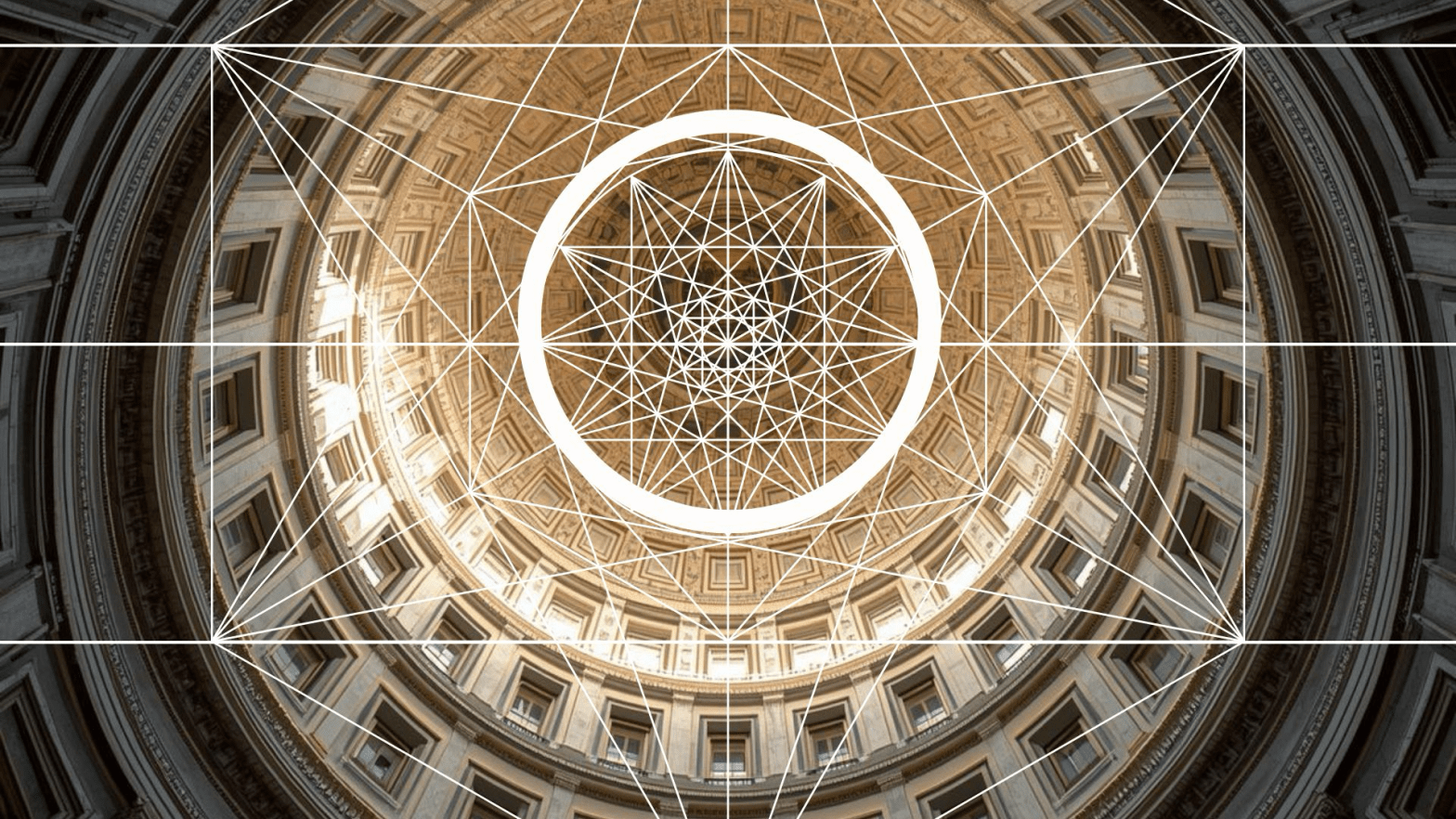
Why would a physicist take an interest in architecture? At first glance, the laws that govern the universe and the design of the spaces we inhabit appear to intersect only at a technical level—through structural forces, plumbing systems, ventilation, or thermal control. Yet, the connection runs far deeper. Both disciplines are concerned with systems, structures,ContinueContinue reading “Neuroarchitecture: The Physics of Design and Its Impact on the Brain”
Category Archives: Human-centred Design
Stress: The Impact of a View on Our Wellbeing

Stress is a necessary biological response that allows us to react, adapt and survive in a constantly changing environment. When the brain perceives a threat — whether real or symbolic — it activates the nervous system and releases hormones such as cortisol and adrenaline, preparing the body to respond quickly. This reaction, known as theContinueContinue reading “Stress: The Impact of a View on Our Wellbeing”
Luxury and Liveability: Lessons from Versailles

The Palace of Versailles, one of the most imposing royal residences in Europe, was conceived as a political instrument. Under the reign of Louis XIV, France sought to consolidate absolute power after decades of internal unrest. Versailles became the ideal stage upon which that ambition could be made visible. To prevent conspiracies and uprisings, theContinueContinue reading “Luxury and Liveability: Lessons from Versailles”
Tiny Houses: Living Small Between Freedom and Sensory Load

Over the past decade, tiny houses have shifted from an alternative curiosity to an aspirational symbol. Small, tidy, and carefully photographed, they appear to promise a simpler way of living. But when we move beyond the image and consider the body that inhabits these spaces—the brain, the senses, everyday life—the question changes: Can a dwellingContinueContinue reading “Tiny Houses: Living Small Between Freedom and Sensory Load”
Housing Crisis and Neurodiversity: A Hidden Human Emergency

Across the world, access to safe and secure housing has become one of the defining social crises of the 21st century. In many countries, rising rents, shrinking social housing supply, and stagnant wages have made long-term stability increasingly unattainable. Nations such as Australia and Canada are among those most severely affected, reflecting a global patternContinueContinue reading “Housing Crisis and Neurodiversity: A Hidden Human Emergency”
Nature as Therapy: The Brain’s Response

If someone were to ask us to imagine paradise, we would probably picture a place filled with trees, flowers, waterfalls, and beaches. Hardly anyone would think of a concrete jungle. That preference is not accidental: it has deep roots in our brains. Neuroscience shows that our connection with nature stems from a biological need, notContinueContinue reading “Nature as Therapy: The Brain’s Response”
How Architecture Can Combat Loneliness
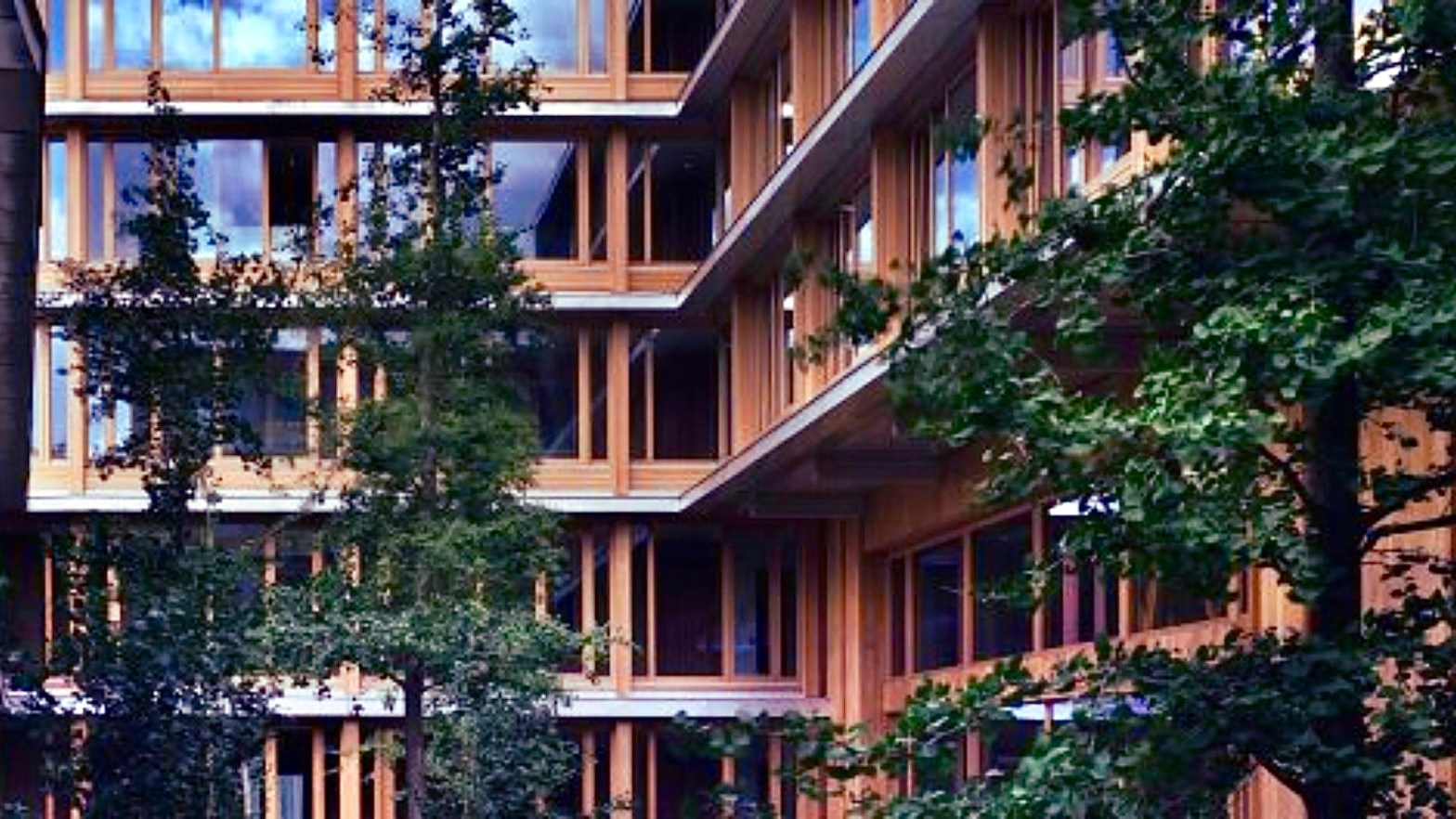
Can design prevent loneliness? In a rapidly ageing world, this question is no longer rhetorical.Loneliness, recognised by the WHO as one of the main threats to public health, affects memory, blood pressure, and even life expectancy. But what if architecture could help us weave back together the bonds that time and the city have unravelled?ContinueContinue reading “How Architecture Can Combat Loneliness”
The Impact of Architecture on the Brain and Mental Health
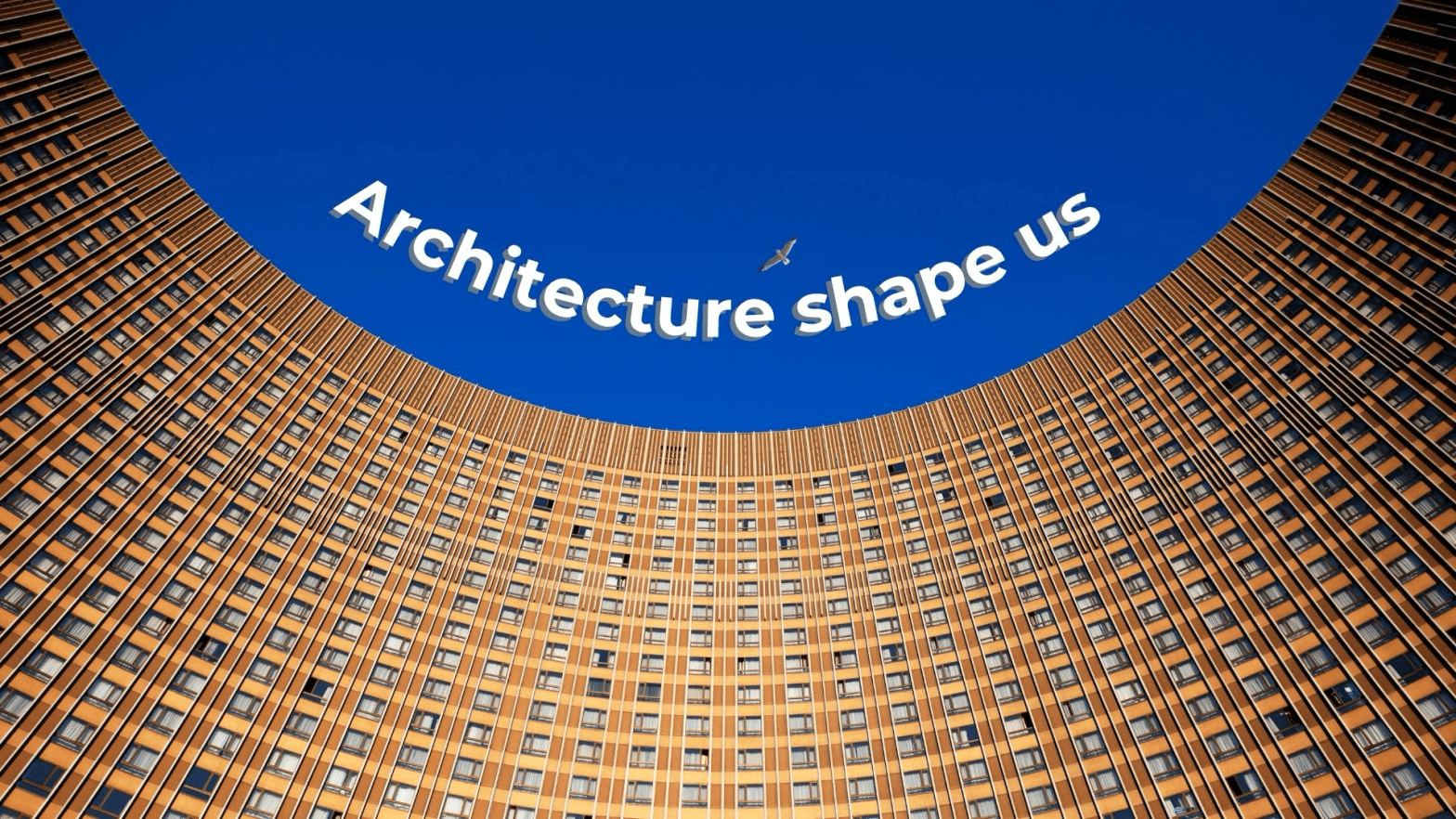
Imagine walking down a poorly lit corridor, where every door looks the same, fluorescent lights buzz overhead, and your footsteps echo in the void. You pause. Where should you go? Your body tenses even before you think. Now contrast that scene with entering the atrium of a library filled with natural light. A central spiralContinueContinue reading “The Impact of Architecture on the Brain and Mental Health”
Shaping Realities: The Power of Architecture
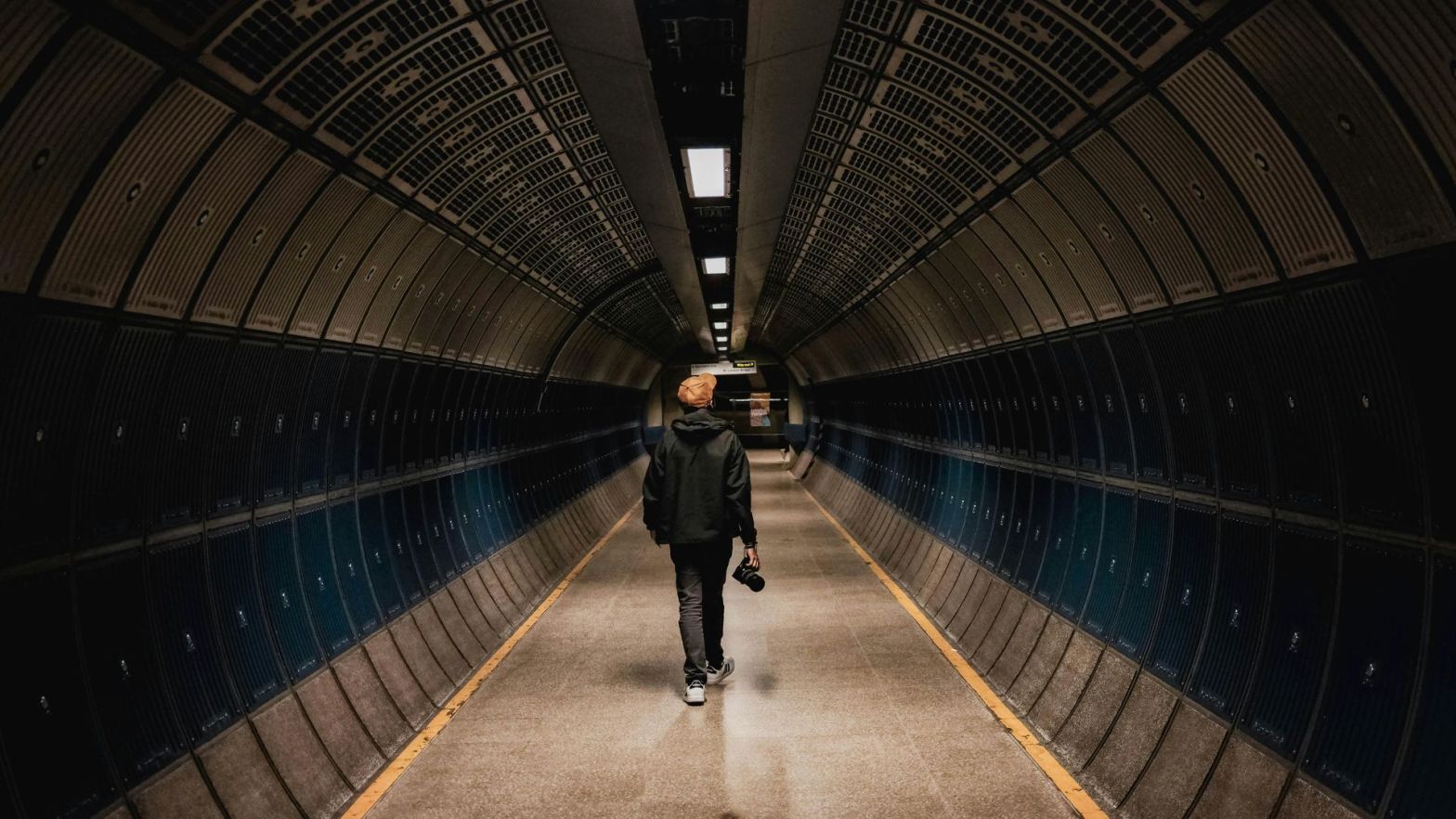
Throughout history, architecture has been described in many ways—sometimes as pure art, other times as a fusion of art and technology. But what if we saw it differently? Not just as shelter or infrastructure, but as the creation of realities. Unlike video games or virtual reality, this is not about digital simulations. It is aboutContinueContinue reading “Shaping Realities: The Power of Architecture”
Brutalism and Social Housing: Utopia, Failure, and Legacy
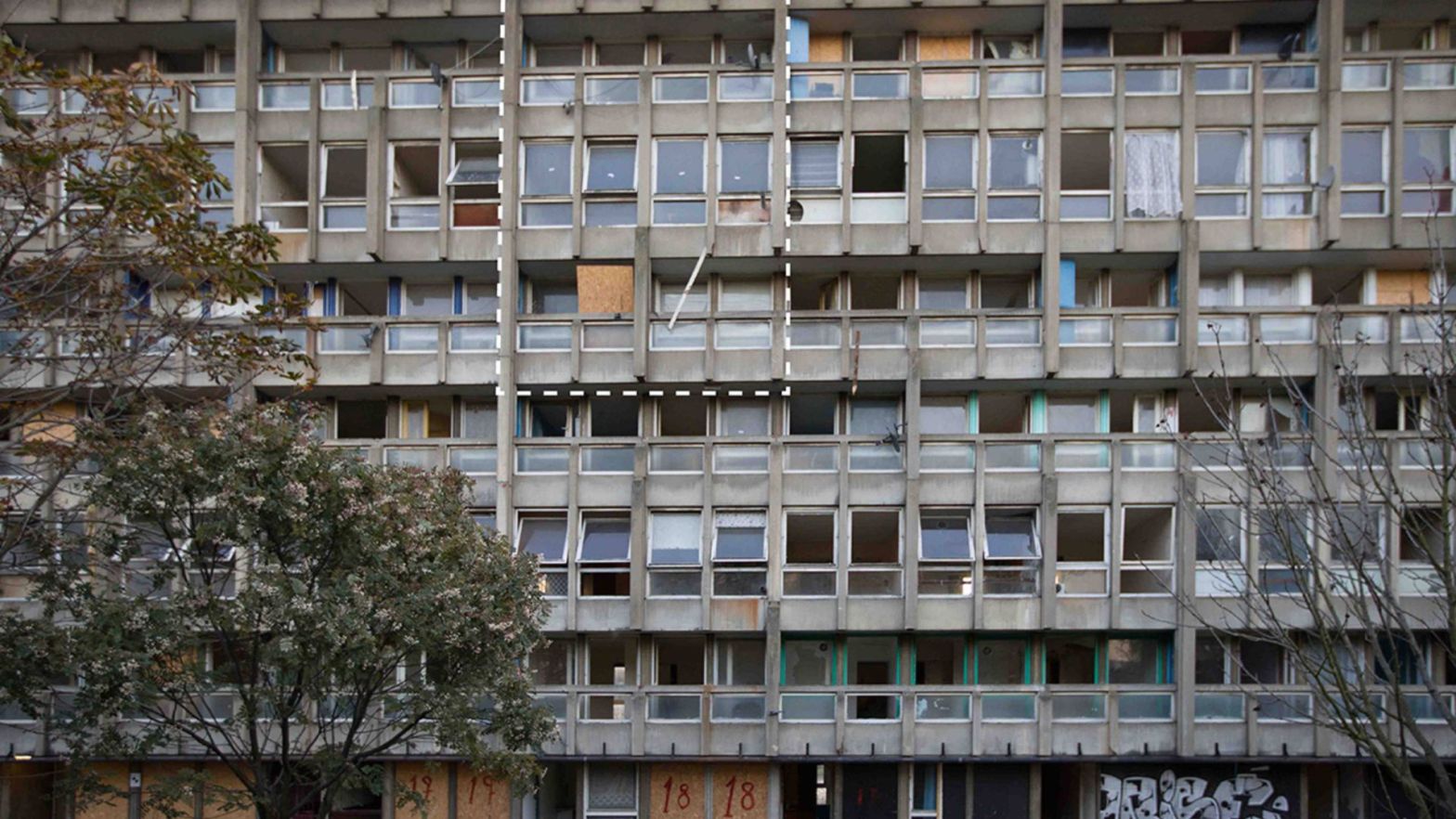
“Less is boring” Robert Venturi Few architectural projects capture the promise and pitfalls of Brutalism as vividly as Robin Hood Gardens in East London. Designed by Alison and Peter Smithson in the early 1970s, it was conceived as a social experiment: vast concrete blocks connected by “streets in the sky” and centred around a greenContinueContinue reading “Brutalism and Social Housing: Utopia, Failure, and Legacy”
 neurotectura.com