
Across the world, access to safe and secure housing has become one of the defining social crises of the 21st century. In many countries, rising rents, shrinking social housing supply, and stagnant wages have made long-term stability increasingly unattainable. Nations such as Australia and Canada are among those most severely affected, reflecting a global patternContinueContinue reading “Housing Crisis and Neurodiversity: A Hidden Human Emergency”
Category Archives: Human-centred Design
Nature as Therapy: The Brain’s Response

If someone were to ask us to imagine paradise, we would probably picture a place filled with trees, flowers, waterfalls, and beaches. Hardly anyone would think of a concrete jungle. That preference is not accidental: it has deep roots in our brains. Neuroscience shows that our connection with nature stems from a biological need, notContinueContinue reading “Nature as Therapy: The Brain’s Response”
How Architecture Can Combat Loneliness
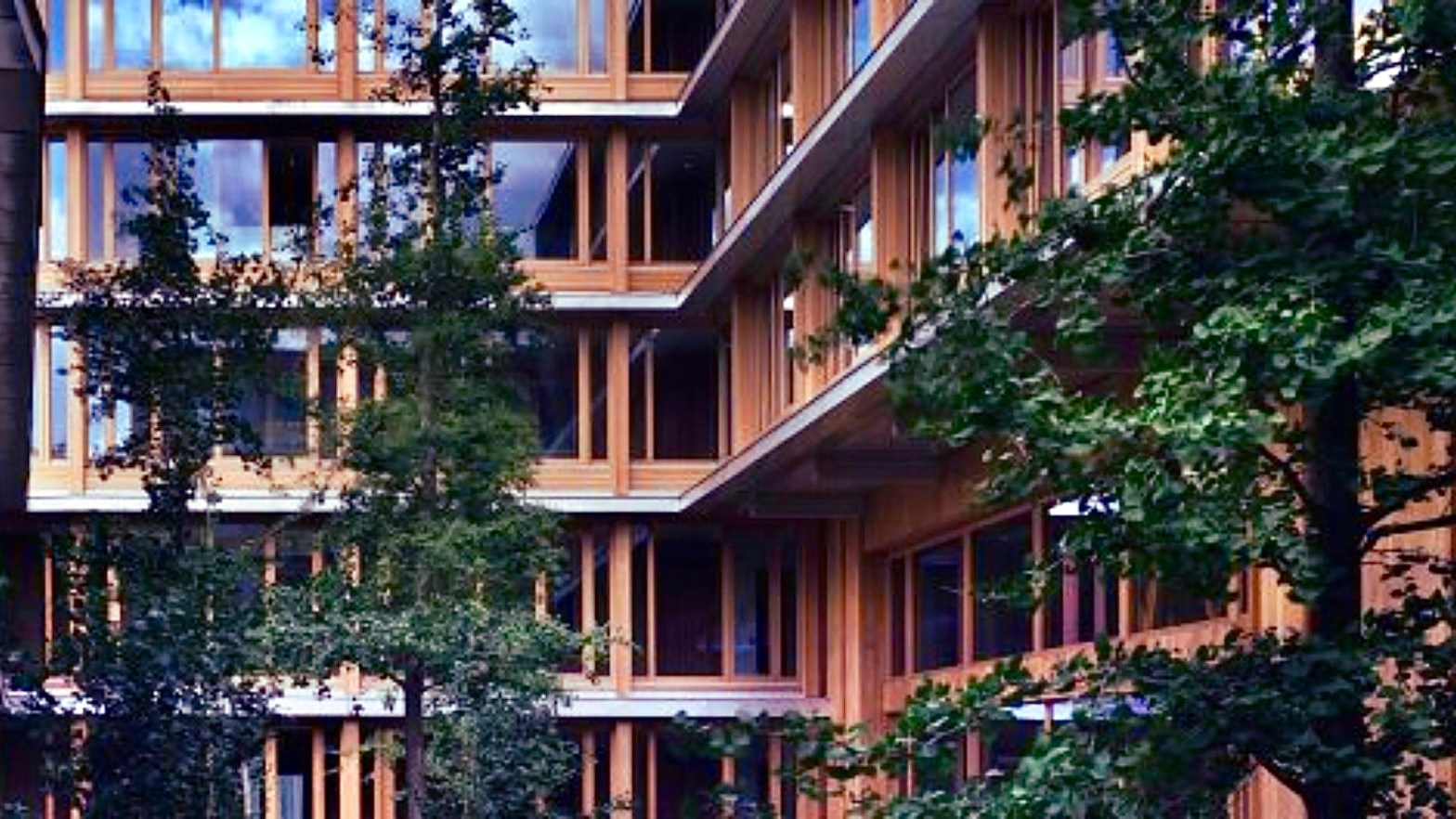
Can design prevent loneliness? In a rapidly ageing world, this question is no longer rhetorical.Loneliness, recognised by the WHO as one of the main threats to public health, affects memory, blood pressure, and even life expectancy. But what if architecture could help us weave back together the bonds that time and the city have unravelled?ContinueContinue reading “How Architecture Can Combat Loneliness”
The Impact of Architecture on the Brain and Mental Health
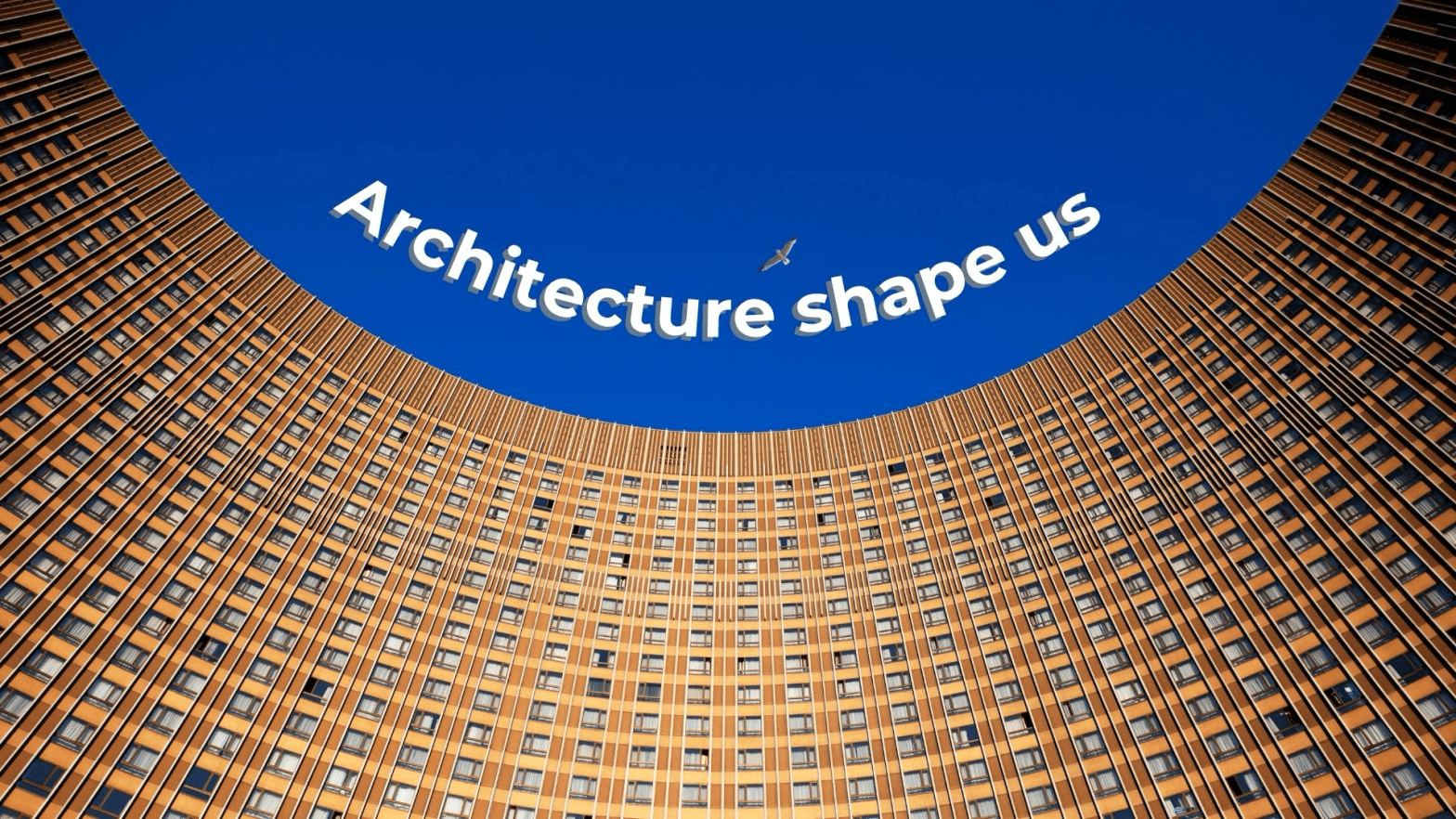
Imagine walking down a poorly lit corridor, where every door looks the same, fluorescent lights buzz overhead, and your footsteps echo in the void. You pause. Where should you go? Your body tenses even before you think. Now contrast that scene with entering the atrium of a library filled with natural light. A central spiralContinueContinue reading “The Impact of Architecture on the Brain and Mental Health”
Shaping Realities: The Power of Architecture
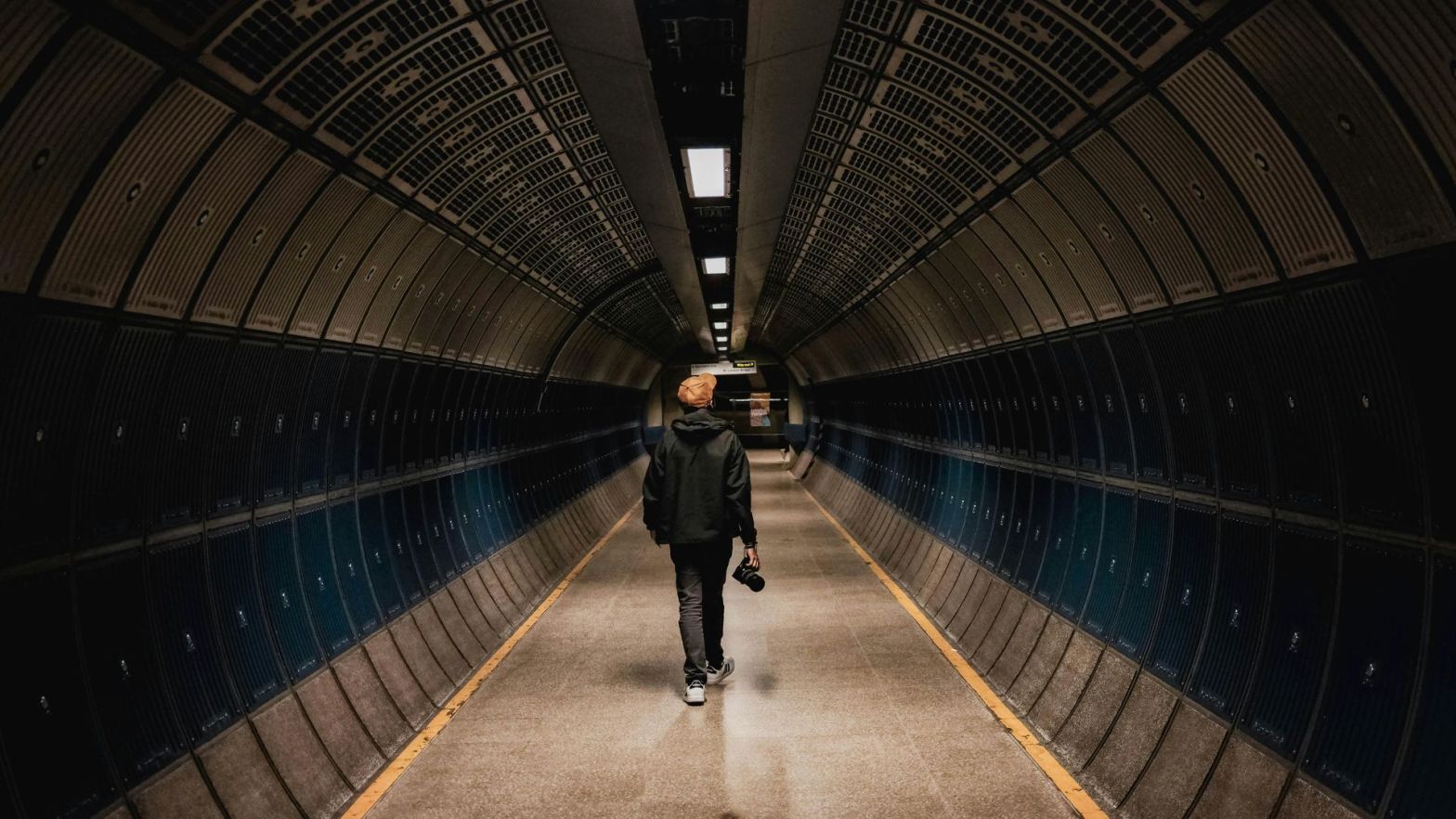
Throughout history, architecture has been described in many ways—sometimes as pure art, other times as a fusion of art and technology. But what if we saw it differently? Not just as shelter or infrastructure, but as the creation of realities. Unlike video games or virtual reality, this is not about digital simulations. It is aboutContinueContinue reading “Shaping Realities: The Power of Architecture”
Brutalism and Social Housing: Utopia, Failure, and Legacy
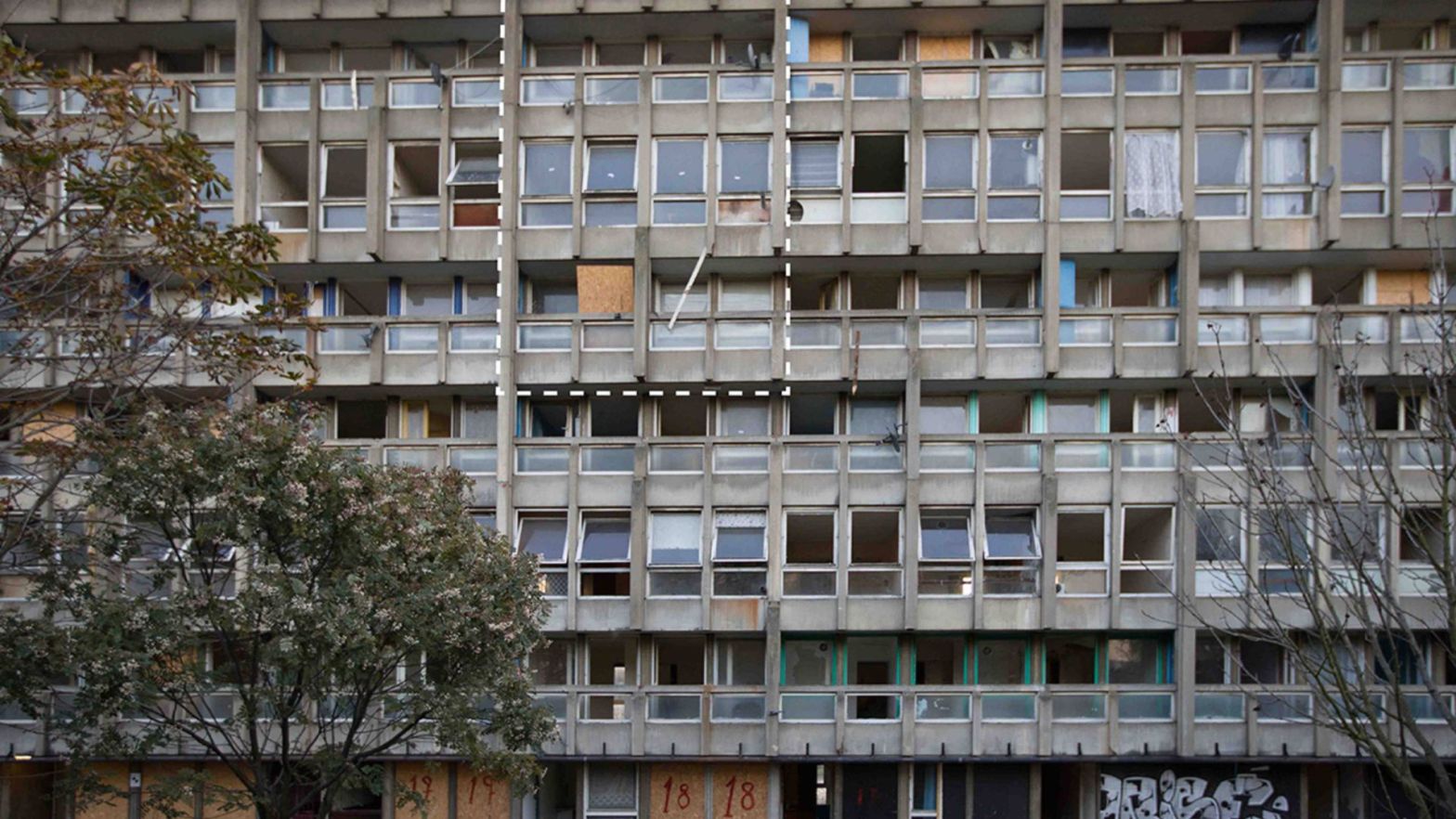
“Less is boring” Robert Venturi Few architectural projects capture the promise and pitfalls of Brutalism as vividly as Robin Hood Gardens in East London. Designed by Alison and Peter Smithson in the early 1970s, it was conceived as a social experiment: vast concrete blocks connected by “streets in the sky” and centred around a greenContinueContinue reading “Brutalism and Social Housing: Utopia, Failure, and Legacy”
How Lab Mazes Inform Urban Design
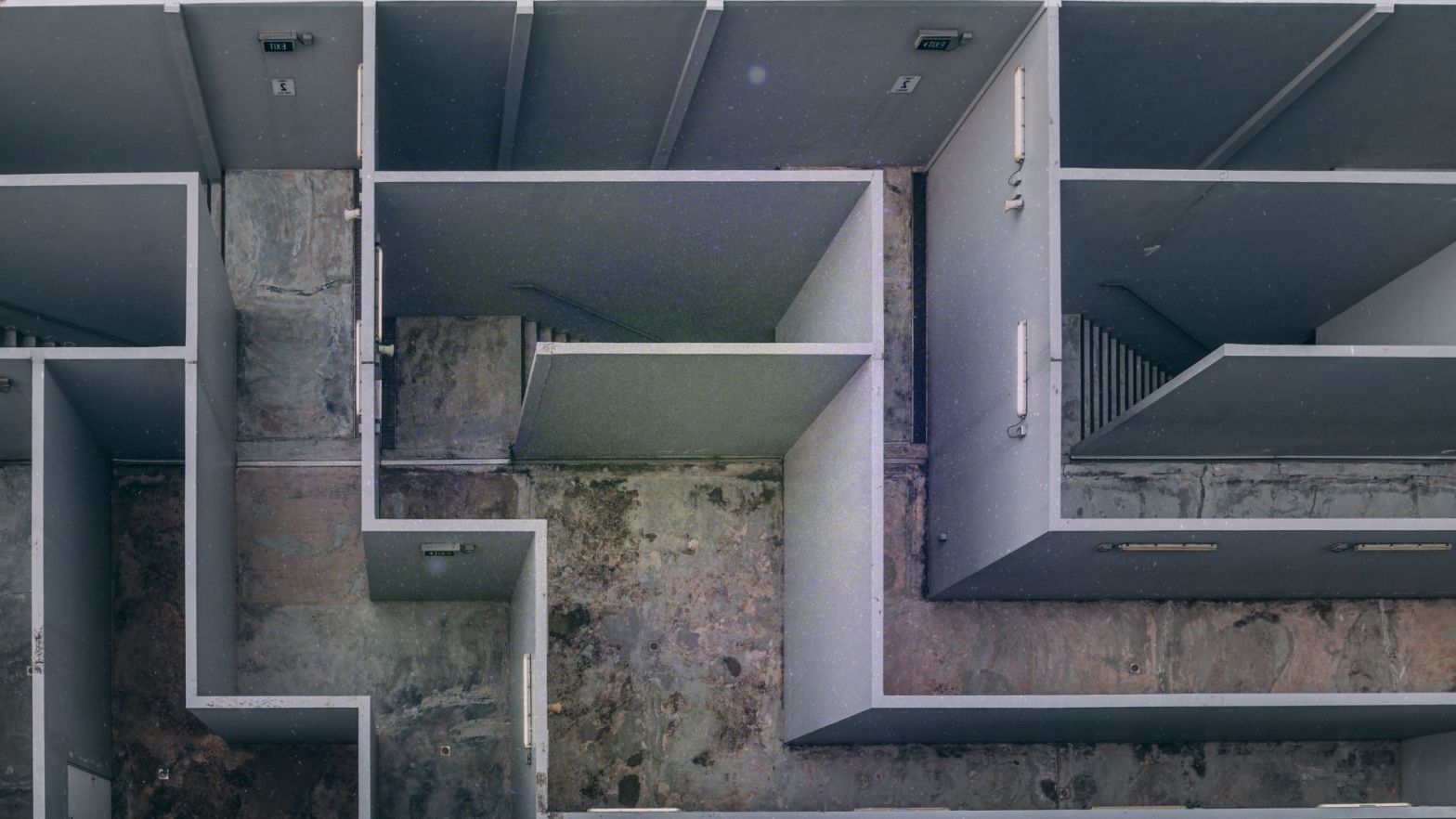
Have you ever seen how scientists design mazes for rats? Scientists use mazes to study how small changes in an environment alter behaviour. Light levels, corridor width, or the placement of a reward can nudge an animal toward caution, curiosity, or approach. Tests such as the Social Interaction Test reveal a simple lesson: environment shapesContinueContinue reading “How Lab Mazes Inform Urban Design”
Neuroarchitecture: How Eye Tracking is Transforming Design
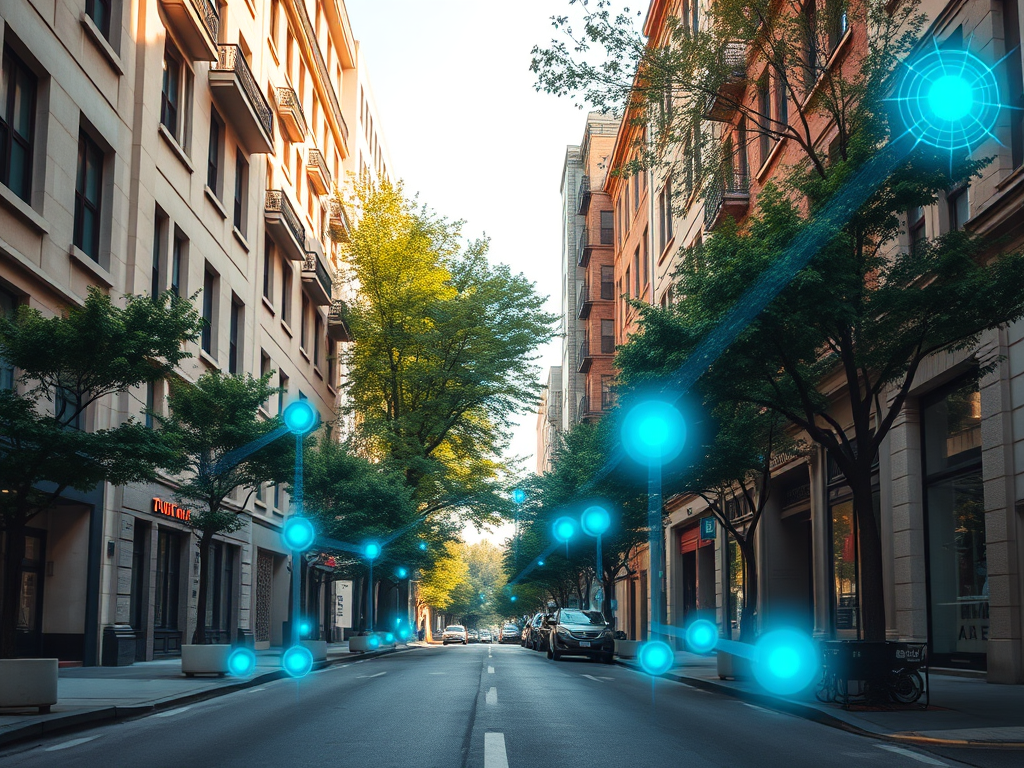
We know that children’s attention is brief by nature. In the case of children with ADHD or other neurodivergent conditions, that window may be even shorter, more fragmented, and more sensitive to the environment. However, most school spaces are still designed as if all students have the same ability to focus, filter stimuli, and orientContinueContinue reading “Neuroarchitecture: How Eye Tracking is Transforming Design”
The Future of Water Resilience: Ancient Practices for Modern Cities

Could you share a morning shower with your partner—not for romance, but because your city’s mayor told you it would help save water? In Bogotá, 2024, this suggestion became reality. A severe drought, intensified by the El Niño phenomenon, pushed the Chingaza reservoir system to historic lows. Simultaneously, maintenance at the Tibitoc water treatment plantContinueContinue reading “The Future of Water Resilience: Ancient Practices for Modern Cities”
La belleza atemporal del Partenón: proporciones en la arquitectura
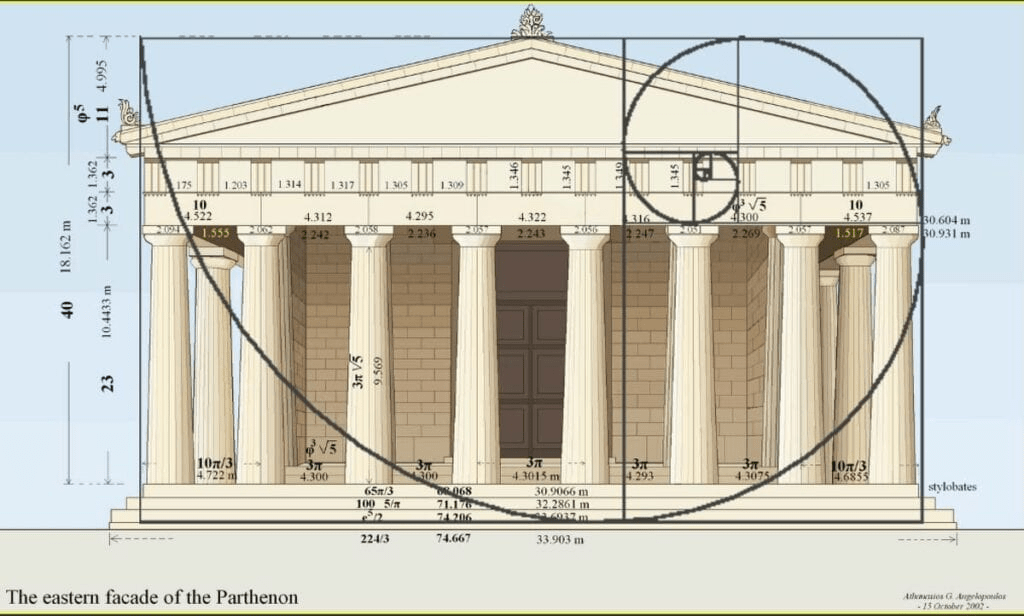
El Partenón en Atenas es a menudo considerado como uno de los edificios más bellos del mundo. Dedicado a la diosa Atenea, este templo dórico octástilo, construido en brillante mármol pentélico, sigue cautivando a pesar del paso de casi 2500 años. Pero, ¿qué es lo que lo convierte en una obra maestra? ¿Por qué suContinueContinue reading “La belleza atemporal del Partenón: proporciones en la arquitectura”

