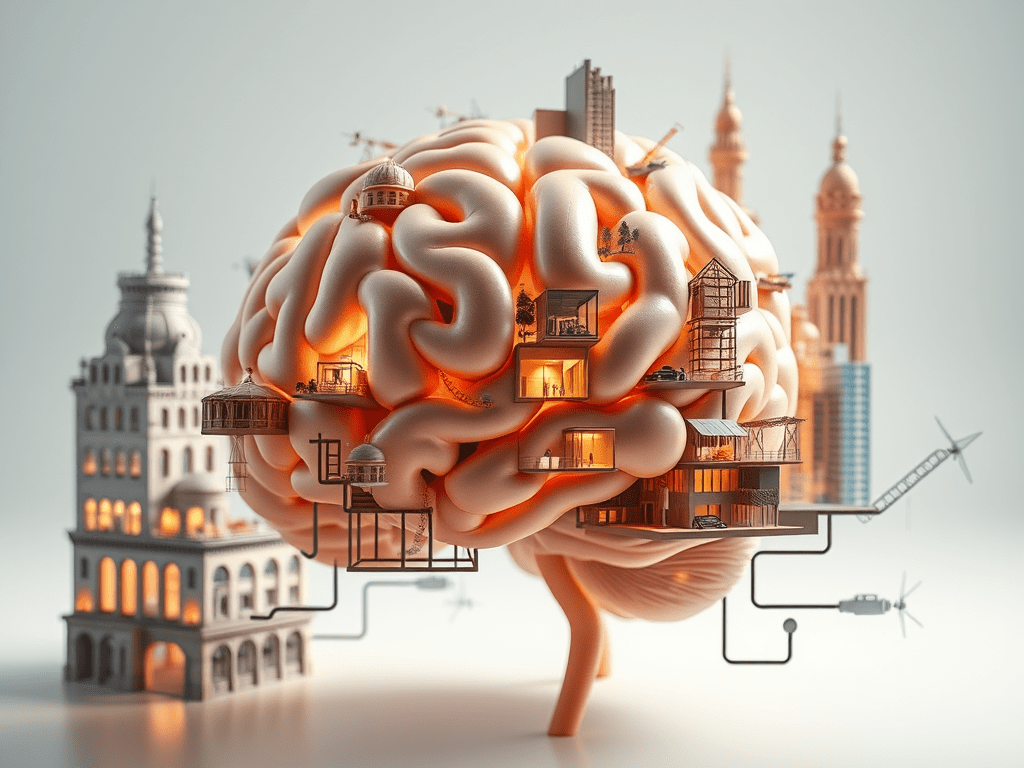
An introduction to neuroarchitecture, exploring how design affects the brain, sensory perception, and mental health. With insights into neurodiversity, accessibility, and inclusive spaces like the Sainsbury Wellcome Centre.
Tag Archives: mental-health
Diseño Neuroinclusivo: Beneficios para los Negocios
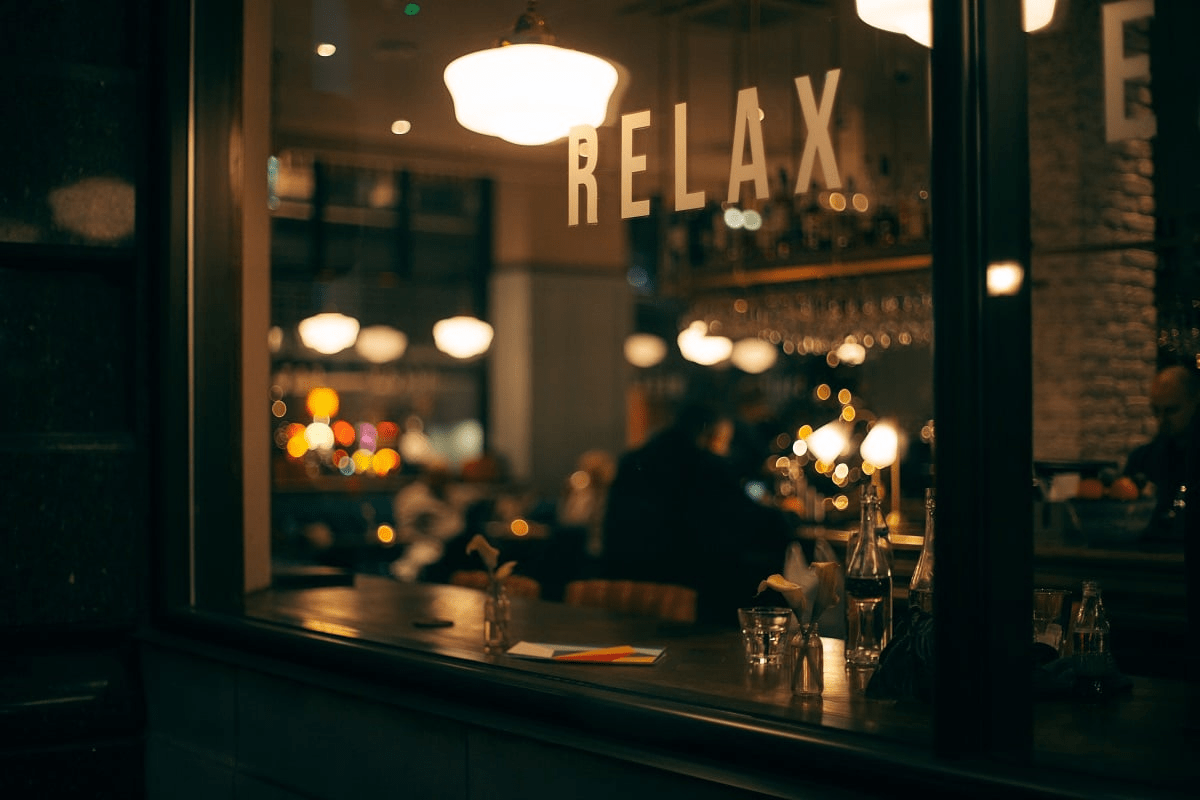
Imagina entrar a una tienda donde las luces son demasiado brillantes, la música está muy alta y la distribución parece un laberinto.Numerosos clientes neurodivergentes pueden afirmar que esto no es una molestia esporádica, sino una realidad habitual. O imagina esta escena:Una familia se reúne en un restaurante para celebrar una ocasión especial. Entre ellos hayContinueContinue reading “Diseño Neuroinclusivo: Beneficios para los Negocios”
Why Your Business Should Embrace Neurodiversity
Imagine walking into a shop where the lights are too bright, the music is loud, and the layout feels like a maze. For many neurodivergent customers, this is not a rare inconvenience—it’s an everyday reality. Or picture this:A family gathers in a restaurant to celebrate a special occasion. Among them is a baby who, overwhelmedContinueContinue reading “Why Your Business Should Embrace Neurodiversity”
Designing for Survival: Architecture in the Age of Climate Crisis
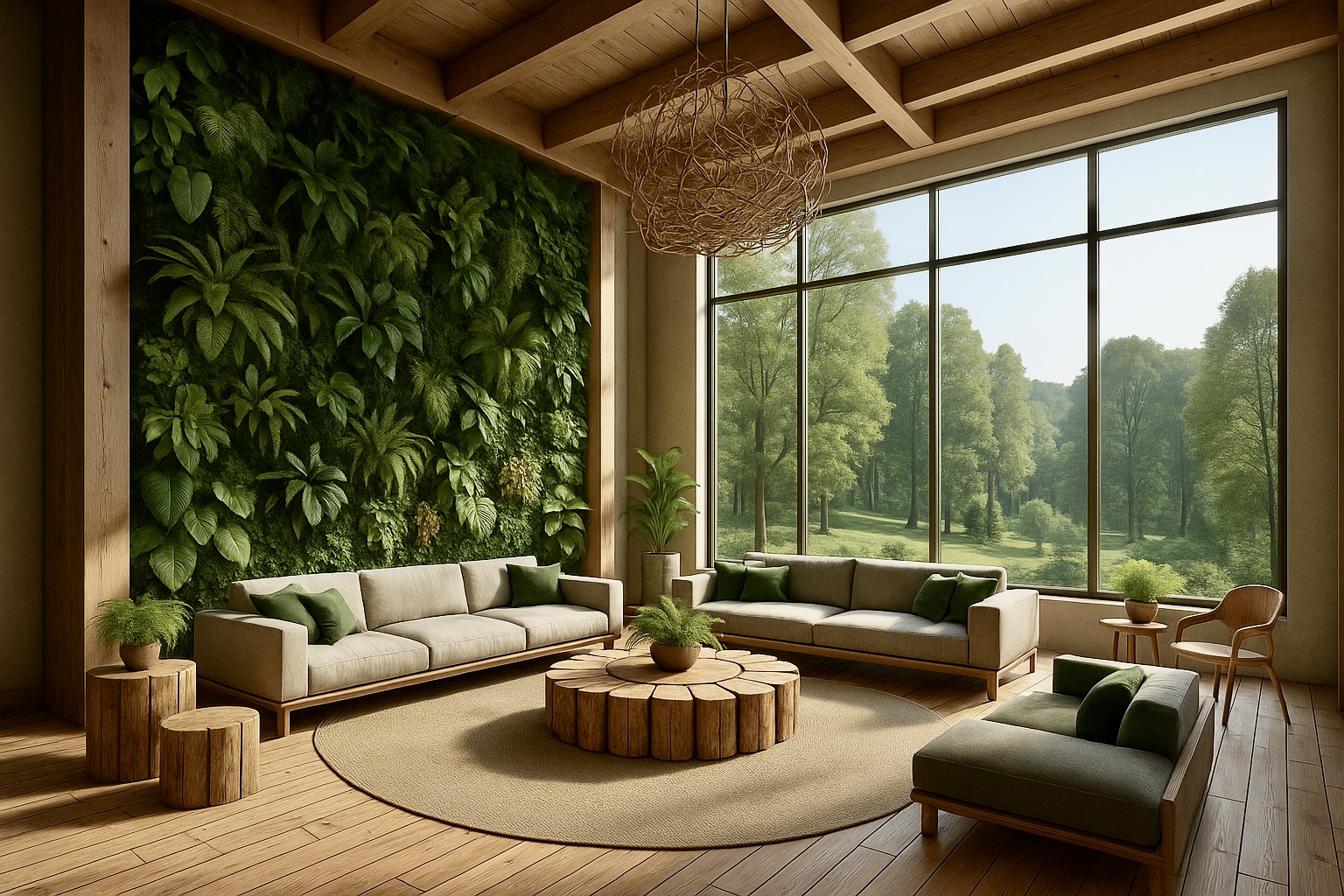
In recent years, the world has witnessed a surge in climate-induced catastrophes: unprecedented wildfires scorching vast landscapes, devastating floods submerging cities, and relentless heatwaves threatening human health and infrastructure. These events underscore the pressing need for architecture to transcend traditional aesthetics and functionality. Our built environments must evolve into resilient sanctuaries, capable of withstanding andContinueContinue reading “Designing for Survival: Architecture in the Age of Climate Crisis”
Integrando neuroarquitectura, psicología ambiental y diseño biofílico
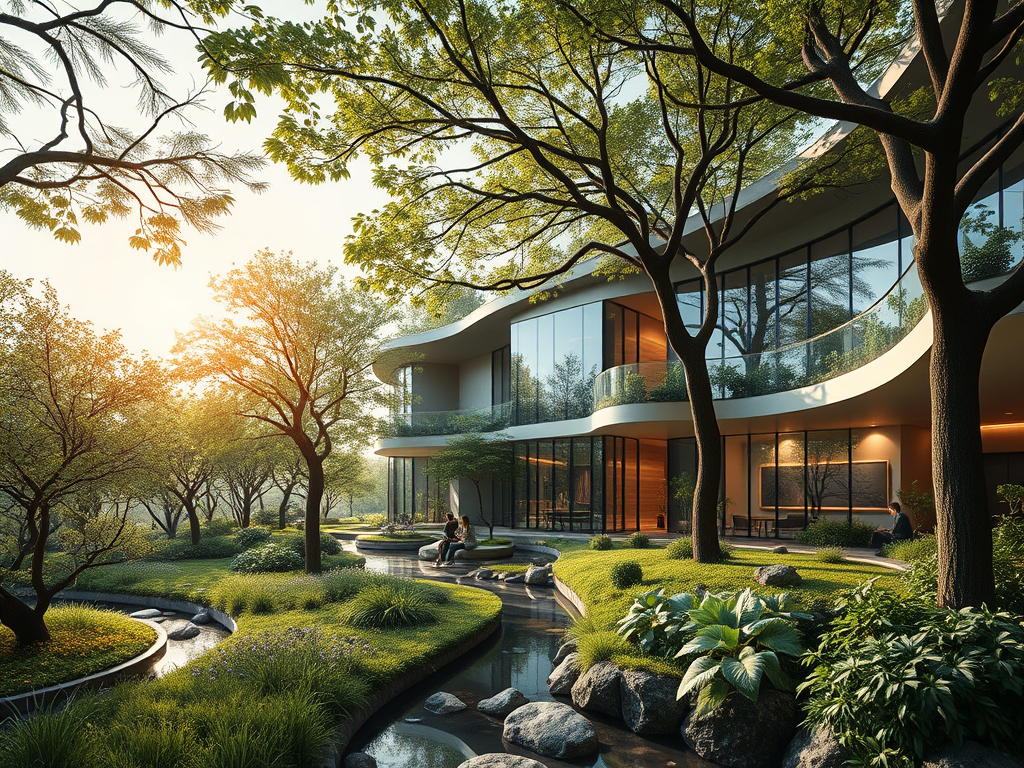
Tres formas de ver el espacio: Neuroarquitectura, Psicología Ambiental y Diseño Biofílico. Un comienzo curioso ¿Por qué algunos espacios nos calman mientras que otros nos hacen sentir incómodos? ¿Por qué una caminata por el bosque nos recarga de energía, mientras que un pasillo ruidoso nos agota? Durante décadas, diseñadores e investigadores han abordado estas preguntasContinueContinue reading “Integrando neuroarquitectura, psicología ambiental y diseño biofílico”
Integrating Neuroarchitecture, Psychology, and Biophilic Design
How three disciplines converge to reshape how we live, feel, and design. A Curious Beginning Why do some spaces calm us while others make us feel uneasy? Why does a walk through a forest restore our energy, while a noisy corridor drains it? For decades, designers and researchers have asked these questions from different angles.ContinueContinue reading “Integrating Neuroarchitecture, Psychology, and Biophilic Design”
The Forgotten Sense: Smell in Neuroarchitecture
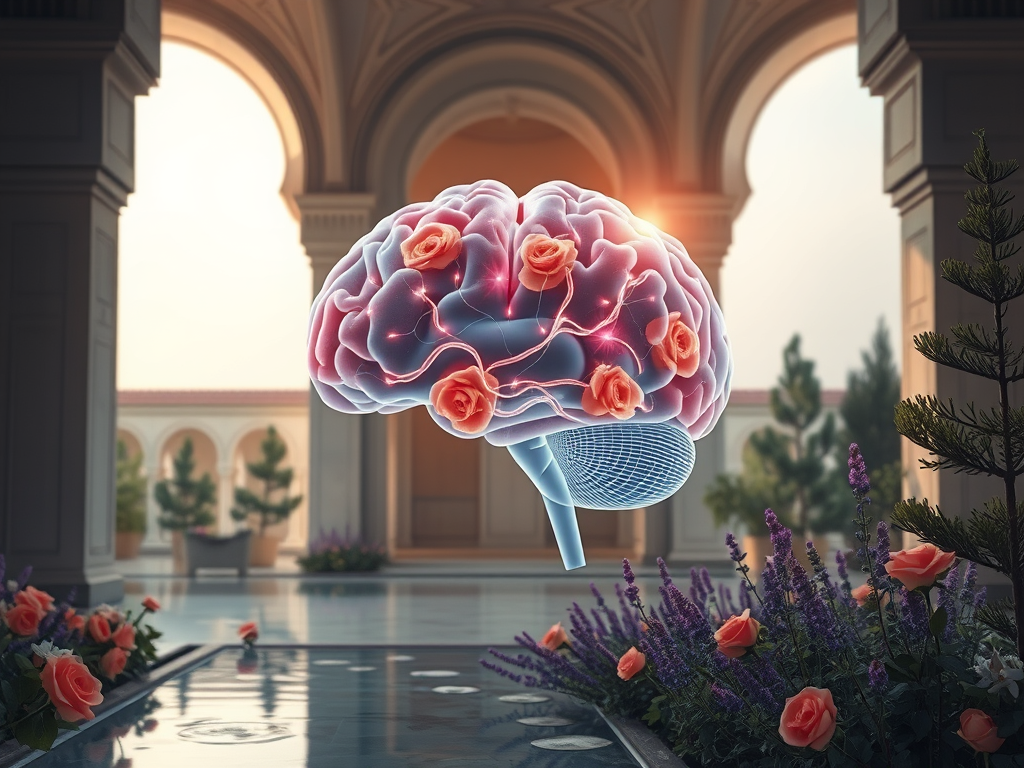
We often think of architecture as visual—lines, light, form, and space. But what about smell? A faint trace of lavender, damp concrete, old wood, or hospital disinfectant. Scents we barely notice, yet they linger—anchored deep in memory and emotion. Have you ever stepped into a space and instantly felt calm, alert—or uneasy—without knowing why? ThatContinueContinue reading “The Forgotten Sense: Smell in Neuroarchitecture”
Diseñando para la salud mental: el papel de la arquitectura
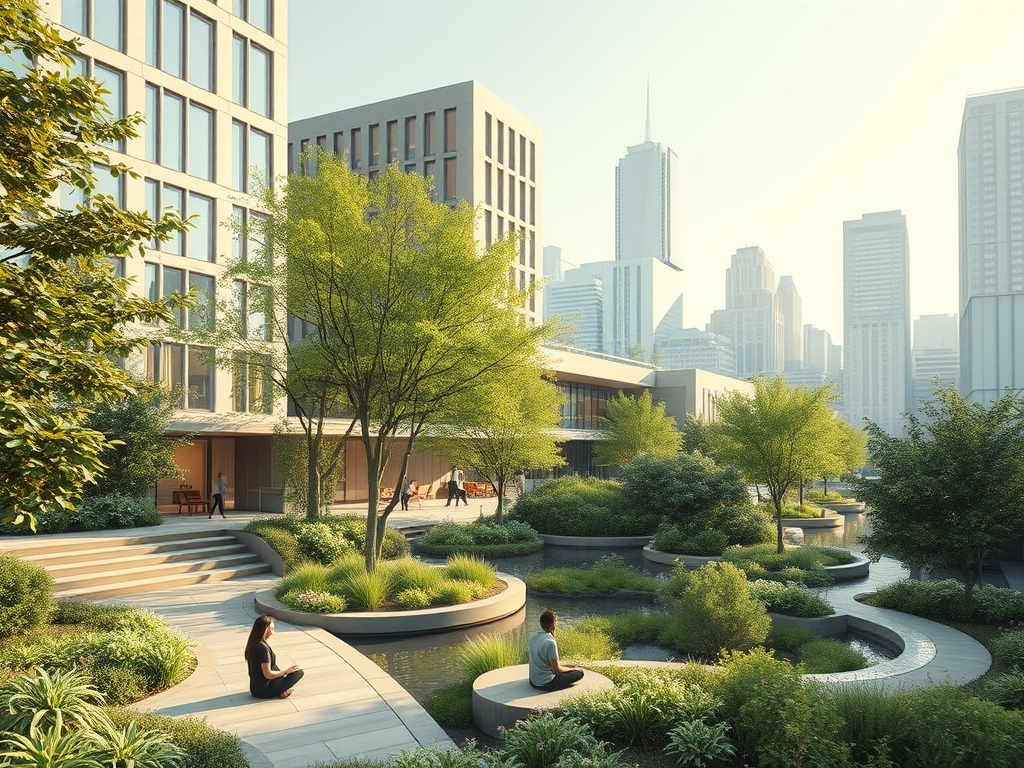
La salud mental se ha convertido en una preocupación global, con una crisis que afecta a todas las edades, pero que golpea con especial fuerza a nuestros jóvenes. En un mundo donde la ansiedad, la depresión y el estrés se han normalizado, es crucial entender cómo estos trastornos socavan nuestro bienestar individual y colectivo, yContinueContinue reading “Diseñando para la salud mental: el papel de la arquitectura”
Arquitectura y bienestar: La conexión vital
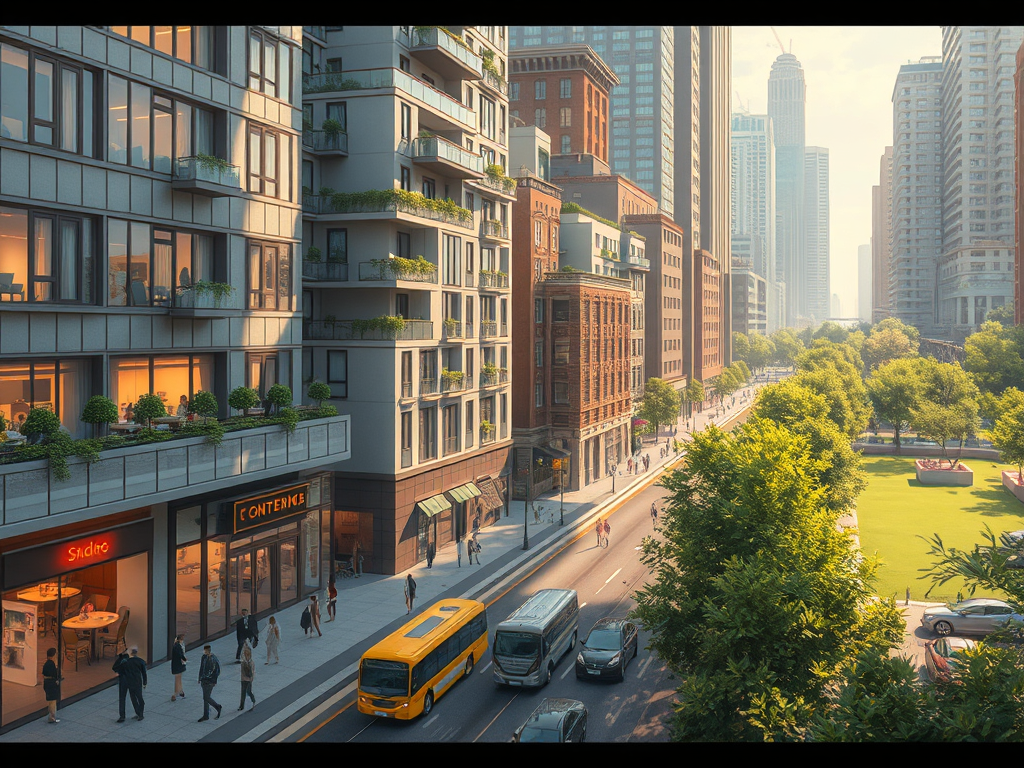
Cuando se trata de arquitectura, la estética suele ocupar un lugar central, atrayendo la admiración de los espectadores y estableciendo un tono tanto para los espacios públicos como privados. Sin embargo, dado que los edificios forman el telón de fondo de nuestra vida cotidiana, los diseñadores también deben considerar factores que mejoren la salud yContinueContinue reading “Arquitectura y bienestar: La conexión vital”
Diseñando espacios inclusivos para poblaciones neurodiversas
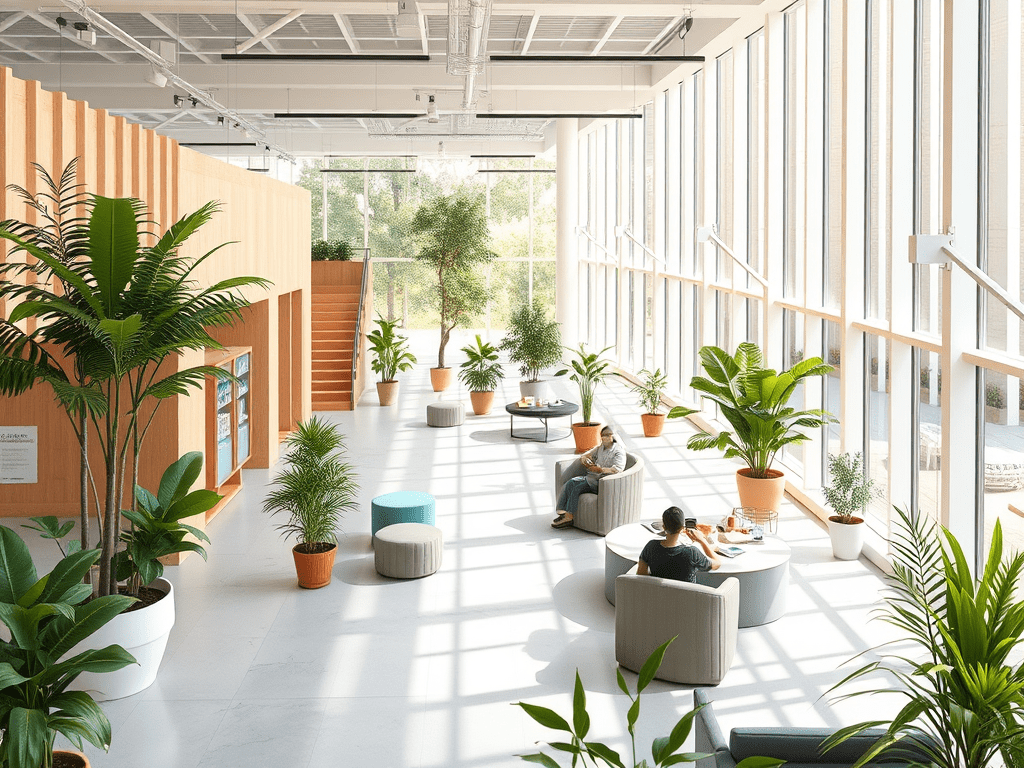
Los términos neurodiversidad y neurodivergencia a menudo se usan de manera intercambiable, pero representan conceptos distintos dentro de las discusiones sobre las diferencias neurológicas. Neurodiversidad es un término inclusivo que reconoce las variaciones naturales en la función cerebral, enfatizando que estas diferencias no son déficits, sino aspectos valiosos de la diversidad humana. Diagrama de condicionesContinueContinue reading “Diseñando espacios inclusivos para poblaciones neurodiversas”
 neurotectura.com