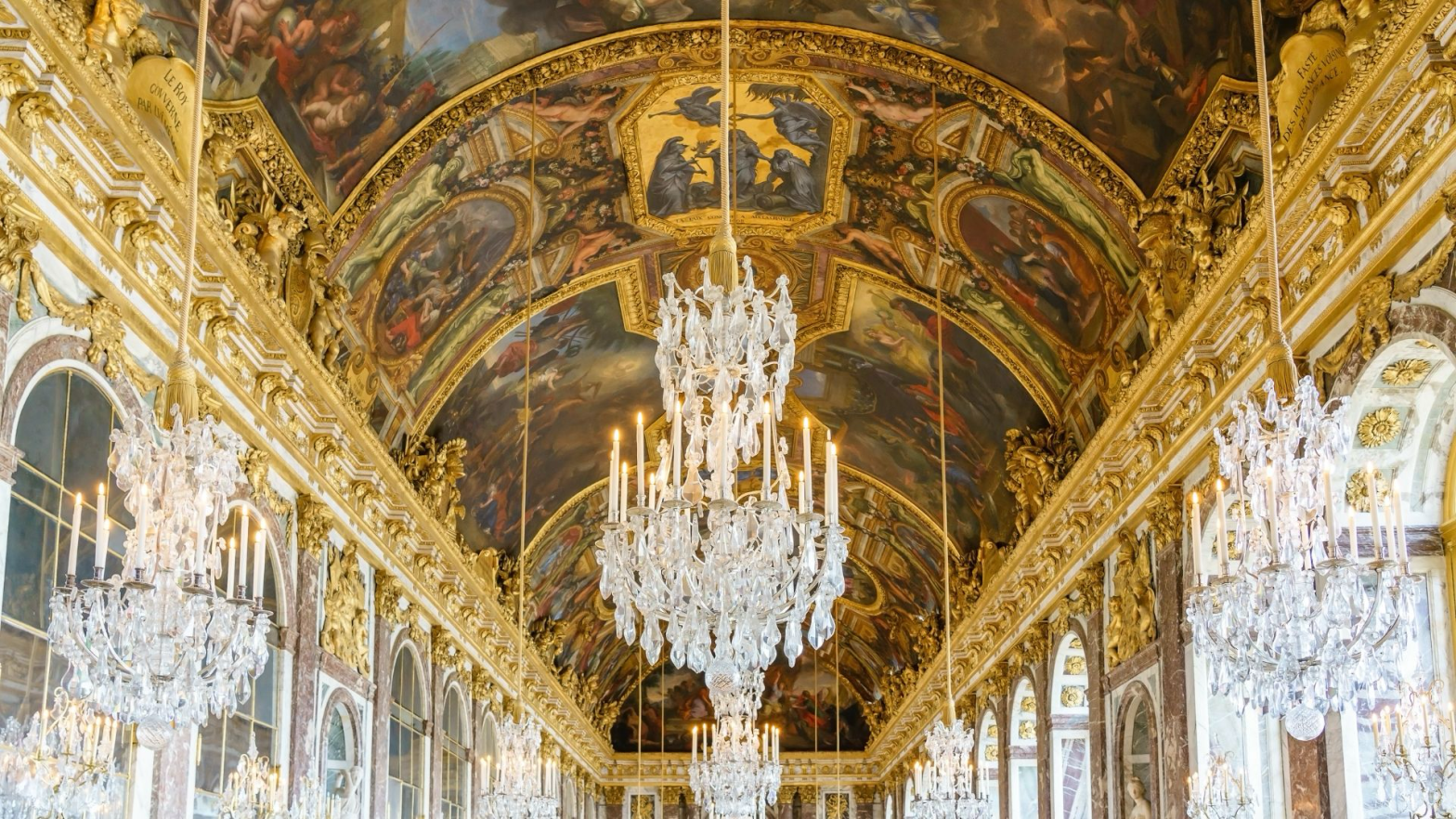
The Palace of Versailles, one of the most imposing royal residences in Europe, was conceived as a political instrument. Under the reign of Louis XIV, France sought to consolidate absolute power after decades of internal unrest. Versailles became the ideal stage upon which that ambition could be made visible. To prevent conspiracies and uprisings, theContinueContinue reading “Luxury and Liveability: Lessons from Versailles”
Tag Archives: Neuroarchitecture
How Neuroarchitecture Can Help the ADHD Mind Thrive

Imagine a typical work morning: you have an urgent report to finish, a list of tasks waiting, and a firm intention to stay focused and make progress. You sit down to work, but a stream of external and internal stimuli begins to interfere: a noise from the street, an intrusive thought, a sudden idea. NothingContinueContinue reading “How Neuroarchitecture Can Help the ADHD Mind Thrive”
How Architecture Can Combat Loneliness
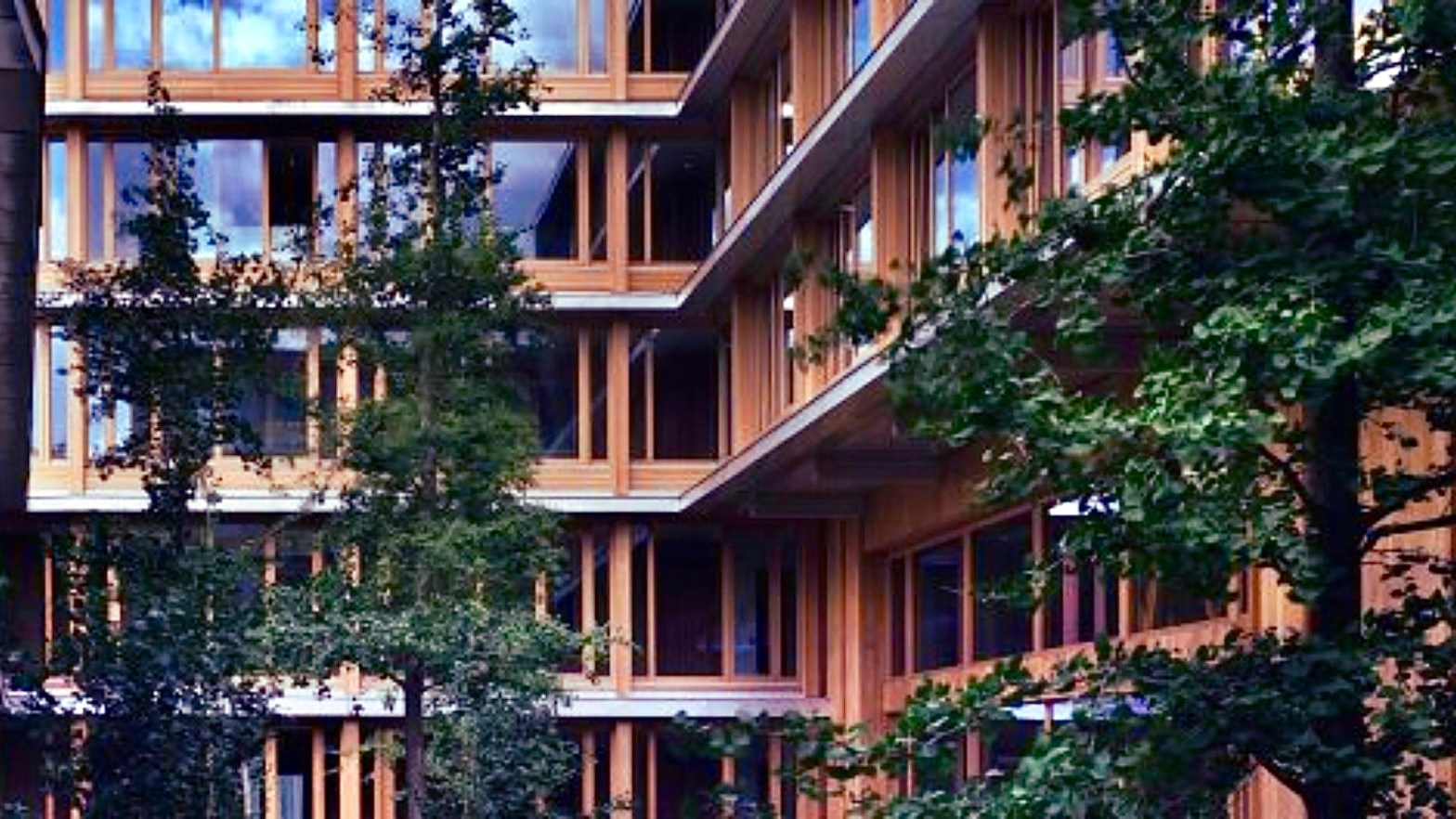
Can design prevent loneliness? In a rapidly ageing world, this question is no longer rhetorical.Loneliness, recognised by the WHO as one of the main threats to public health, affects memory, blood pressure, and even life expectancy. But what if architecture could help us weave back together the bonds that time and the city have unravelled?ContinueContinue reading “How Architecture Can Combat Loneliness”
Brutalism and Social Housing: Utopia, Failure, and Legacy
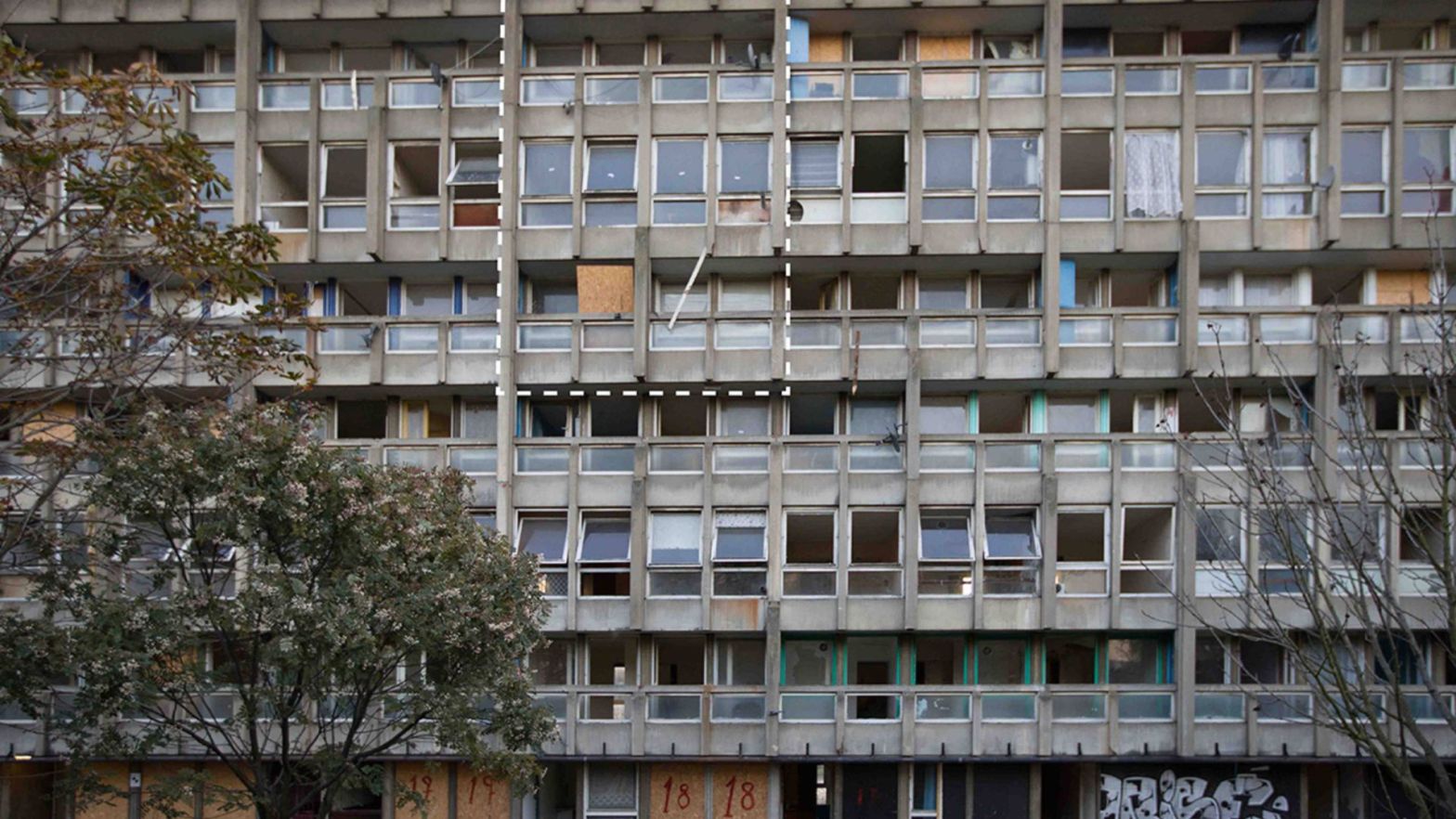
“Less is boring” Robert Venturi Few architectural projects capture the promise and pitfalls of Brutalism as vividly as Robin Hood Gardens in East London. Designed by Alison and Peter Smithson in the early 1970s, it was conceived as a social experiment: vast concrete blocks connected by “streets in the sky” and centred around a greenContinueContinue reading “Brutalism and Social Housing: Utopia, Failure, and Legacy”
Luz y sombra en la arquitectura: cómo su diseño impacta nuestras emociones
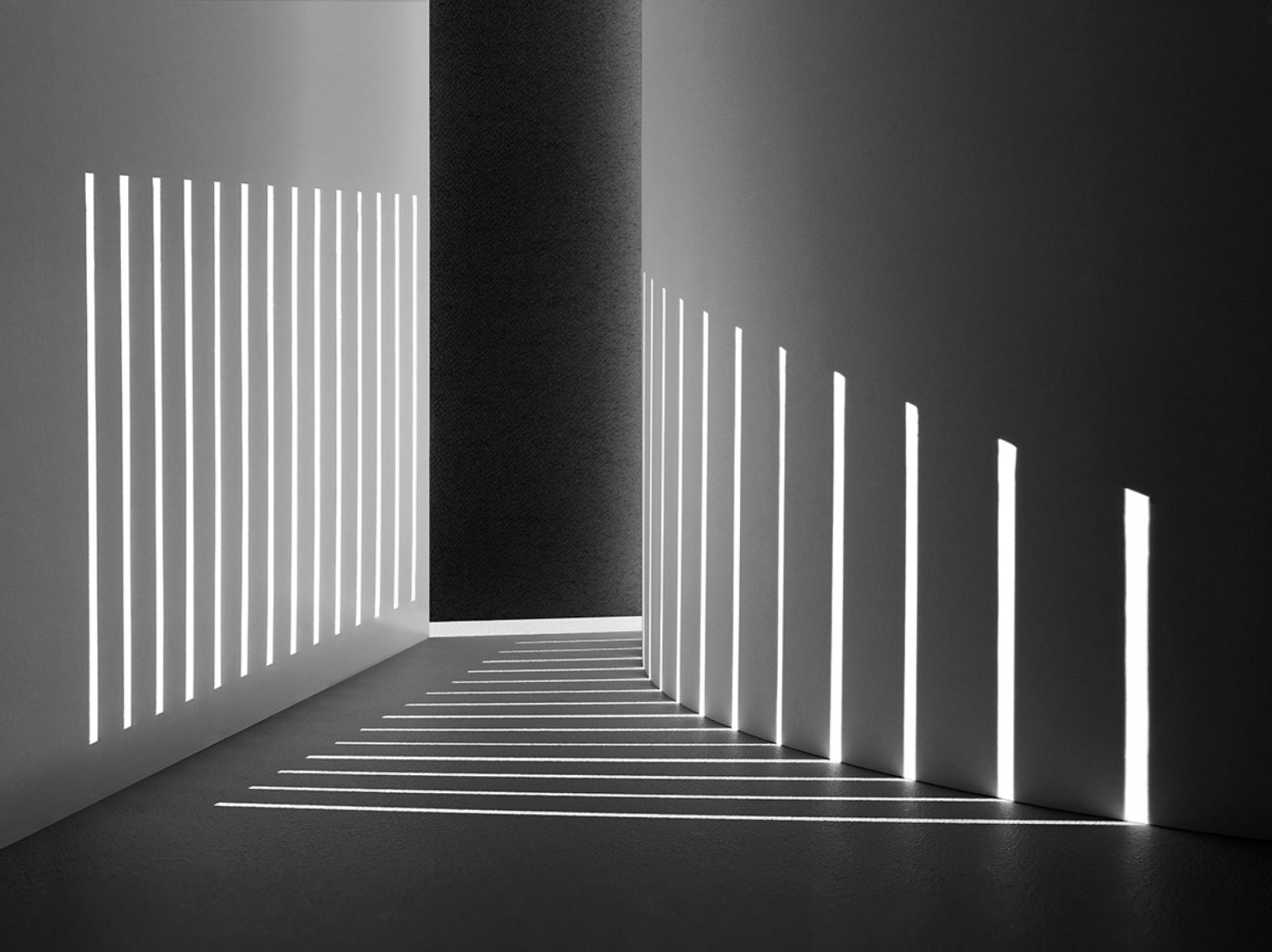
Pensaste que elegiste el color de pintura perfecto. Pero cuando se pone el sol… se ve diferente y ya no te gusta tanto. ¿Por qué? Porque el color no es un valor fijo —de hecho depende de la luz. Lo que percibimos como “color” es una dinámica entre el pigmento y la luz, que fluctúaContinueContinue reading “Luz y sombra en la arquitectura: cómo su diseño impacta nuestras emociones”
The Emotional Power of Light and Shadow in Design
You thought you chose the perfect colour. But when the sun sets… it feels wrong. Why? Because colour isn’t fixed—it’s shaped by light. What we perceive as “colour” is a dance between pigment and light, changing with time of day, orientation, lighting temperature, and material surroundings. That’s why the same soft grey can feel calmingContinueContinue reading “The Emotional Power of Light and Shadow in Design”
Designing with the Spirit of the Sea

A few days ago, I posted a simple question:Which water scape would you escape to right now? Most people responded with what many of us instinctively feel:The sea – to relax. But what is it about the sea that draws us in?And more importantly: how can we recreate those sensations through design, even when theContinueContinue reading “Designing with the Spirit of the Sea”
Neurodiversity and Architecture: Keys to an Inclusive World

Liam is five. On his first day at a new school, he didn’t sit where instructed or follow the routine. Instead, he moved constantly—reading every sign, poster, and label in sight, not just in the corridors, but throughout the entire school. His teachers tried to redirect him, sometimes even running after him as he slippedContinueContinue reading “Neurodiversity and Architecture: Keys to an Inclusive World”
Simetría y asimetría en el diseño

¿Alguna vez has notado que la mayoría de los edificios icónicos del mundo son simétricos? Una mirada a la historia de la arquitectura revela un patrón fascinante: la simetría domina. Desde templos antiguos hasta palacios neoclásicos, algunos de los edificios más duraderos y admirados se definen por sus proporciones equilibradas e imágenes reflejadas. Nuestros cerebrosContinueContinue reading “Simetría y asimetría en el diseño”
Symmetry vs. Asymmetry in Design
Have you ever noticed that most of the iconic buildings in the world are symmetric? A glance at architectural history reveals a fascinating pattern: symmetry dominates. From ancient temples to neoclassical palaces, some of the most enduring and admired buildings are defined by their balanced proportions and mirrored images. Our brains are naturally drawn toContinueContinue reading “Symmetry vs. Asymmetry in Design”
 neurotectura.com