
When Space Overwhelms Us: From Stimulus to Behaviour A child walks back into the classroom after break. Just moments before, they were running, laughing and playing without any difficulty. But as they cross the threshold, something shifts. The noise feels louder, the voices of classmates become unsettling, and the light seems harsher than before. SmallContinueContinue reading “Aggressive Behaviour and Environmental Overload”
Author Archives: Patricia Fierro-Newton
Comportamientos agresivos y sobrecarga ambiental
Cuando el espacio nos desborda: del estímulo a la conducta Un niño entra al salón de clase después del descanso. Antes estaba corriendo y jugando, pero al cruzar la puerta, algo cambia. El ruido es más fuerte, las voces de sus compañeros lo incomodan y la luz le parece más intensa. Cualquier gesto lo irrita:ContinueContinue reading “Comportamientos agresivos y sobrecarga ambiental”
Neurodiversity and Architecture: From Awareness to Inclusion (April Focus)

Every 2 April, global attention turns to autism. The date was established in 2007, when the United Nations adopted Resolution A/RES/62/139, giving rise to World Autism Awareness Day, first observed in 2008. Far from being a purely symbolic gesture, this initiative responded to an urgent need: to make visible the lives of millions of peopleContinueContinue reading “Neurodiversity and Architecture: From Awareness to Inclusion (April Focus)”
Abril, neurodiversidad y arquitectura: del reconocimiento a la inclusión
Cada 2 de abril, el mundo dirige su atención hacia el autismo. Esta fecha fue establecida en 2007, cuando las Naciones Unidas aprobaron la resolución A/RES/62/139, dando origen al World Autism Awareness Day, celebrado por primera vez en 2008. Lejos de ser una simple conmemoración simbólica, esta iniciativa respondió a una necesidad urgente: visibilizar aContinueContinue reading “Abril, neurodiversidad y arquitectura: del reconocimiento a la inclusión”
Urban Density and Mental Health: A Neurourbanism Perspective

Do large cities make you feel stressed? The global shift towards urban living has not only increased density in city centres but also intensified the mental health challenges linked to stress. This growing concern has led fields such as neuroarchitecture and neurourbanism to explore how the brain processes urban environments. A recent study published inContinueContinue reading “Urban Density and Mental Health: A Neurourbanism Perspective”
Densidad urbana y salud mental desde el neurourbanismo
¿Te estresan las grandes ciudades? La migración hacia las ciudades ha incrementado no solo la densidad en los centros urbanos, sino también los problemas de salud mental asociados al estrés. Esta preocupación ha llevado a disciplinas como la neuroarquitectura y el neurourbanismo a investigar cómo el cerebro procesa el entorno urbano. Un estudio reciente publicadoContinueContinue reading “Densidad urbana y salud mental desde el neurourbanismo”
The Impact of Playground Design on Child Development and Brain Plasticity

Play is an intrinsic biological need of the human being. It is not a luxury or a secondary activity but an adaptive mechanism that allows us to rehearse behaviours, regulate stress, and develop the neural plasticity required for lifelong learning. In childhood, this process becomes especially critical. During periods of rapid brain development, play actsContinueContinue reading “The Impact of Playground Design on Child Development and Brain Plasticity”
El impacto del diseño de parques en el desarrollo infantil y la plasticidad cerebral
El juego es una necesidad biológica intrínseca del ser humano. No es un lujo ni una actividad secundaria, sino un mecanismo de adaptación que nos permite ensayar conductas, gestionar el estrés y desarrollar la plasticidad cerebral necesaria para aprender a lo largo de toda la vida. En la infancia, este proceso es especialmente crítico. DuranteContinueContinue reading “El impacto del diseño de parques en el desarrollo infantil y la plasticidad cerebral”
How Do We Imagine the Architecture of Happiness?
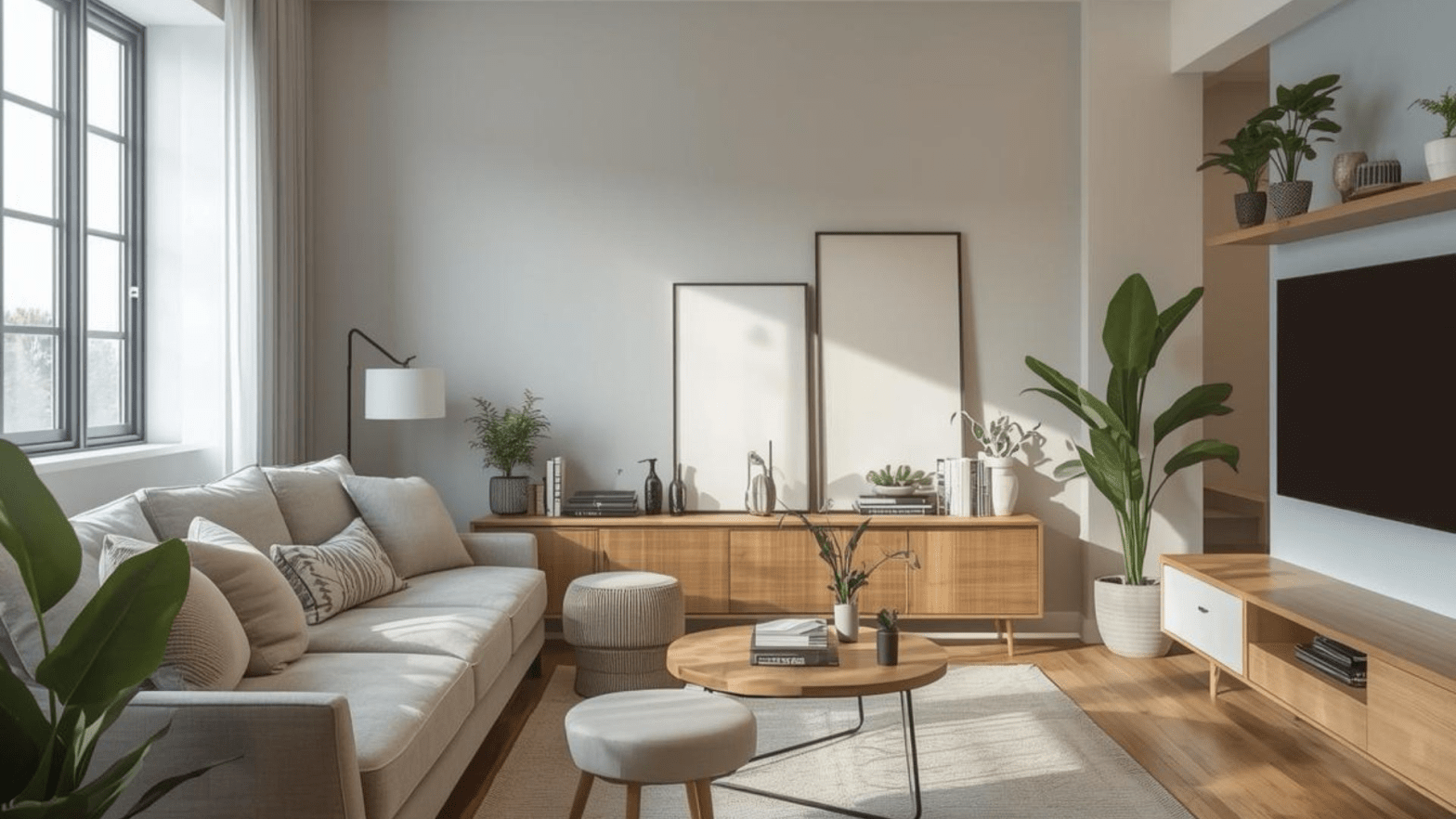
In 2006, the philosopher Alain de Botton published The Architecture of Happiness, an essay built around a simple yet transformative idea: the spaces we inhabit have a profound influence on our emotional and psychological wellbeing. Rather than approaching architecture as a purely technical or aesthetic discipline, de Botton places it firmly within a human context.ContinueContinue reading “How Do We Imagine the Architecture of Happiness?”
Cómo nos imaginamos la arquitectura de la felicidad
En 2006, el filósofo Alain de Botton publicó The Architecture of Happiness, un ensayo que propone una idea tan sencilla como transformadora: los espacios en los que vivimos influyen profundamente en nuestro bienestar emocional y psicológico. Lejos de entender la arquitectura como un ejercicio técnico o puramente estético, de Botton la sitúa en un planoContinueContinue reading “Cómo nos imaginamos la arquitectura de la felicidad”
 neurotectura.com