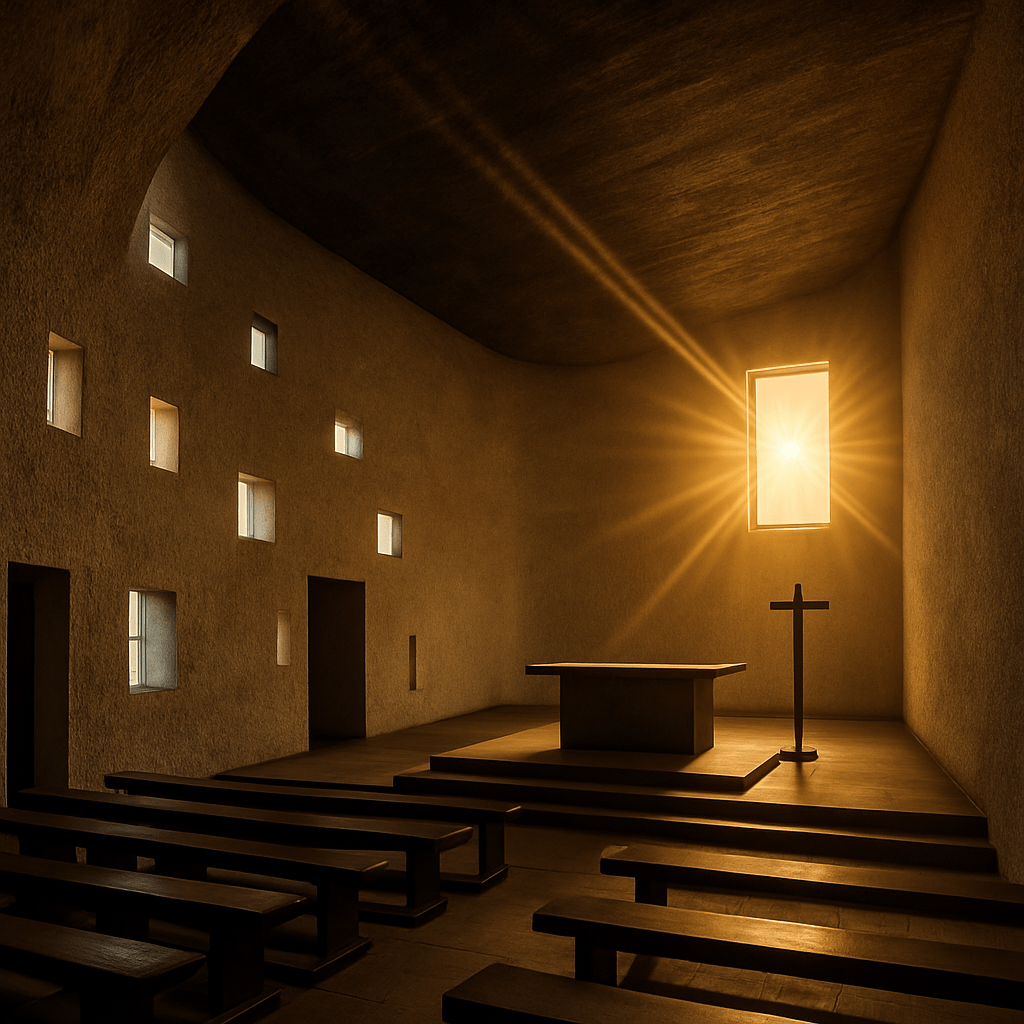
Light, Time, and Sacred Rhythm When I was a student researching the role of light in sacred architecture, I visited a Benedictine monastery that left a lasting impression. The modern church on its grounds, though recently built, followed the medieval principles of the order with striking fidelity. The monk guiding the tour explained something quietlyContinueContinue reading “How Light Shapes Sacred Spaces in Architecture”
Category Archives: english
The Emotional Power of Light and Shadow in Design
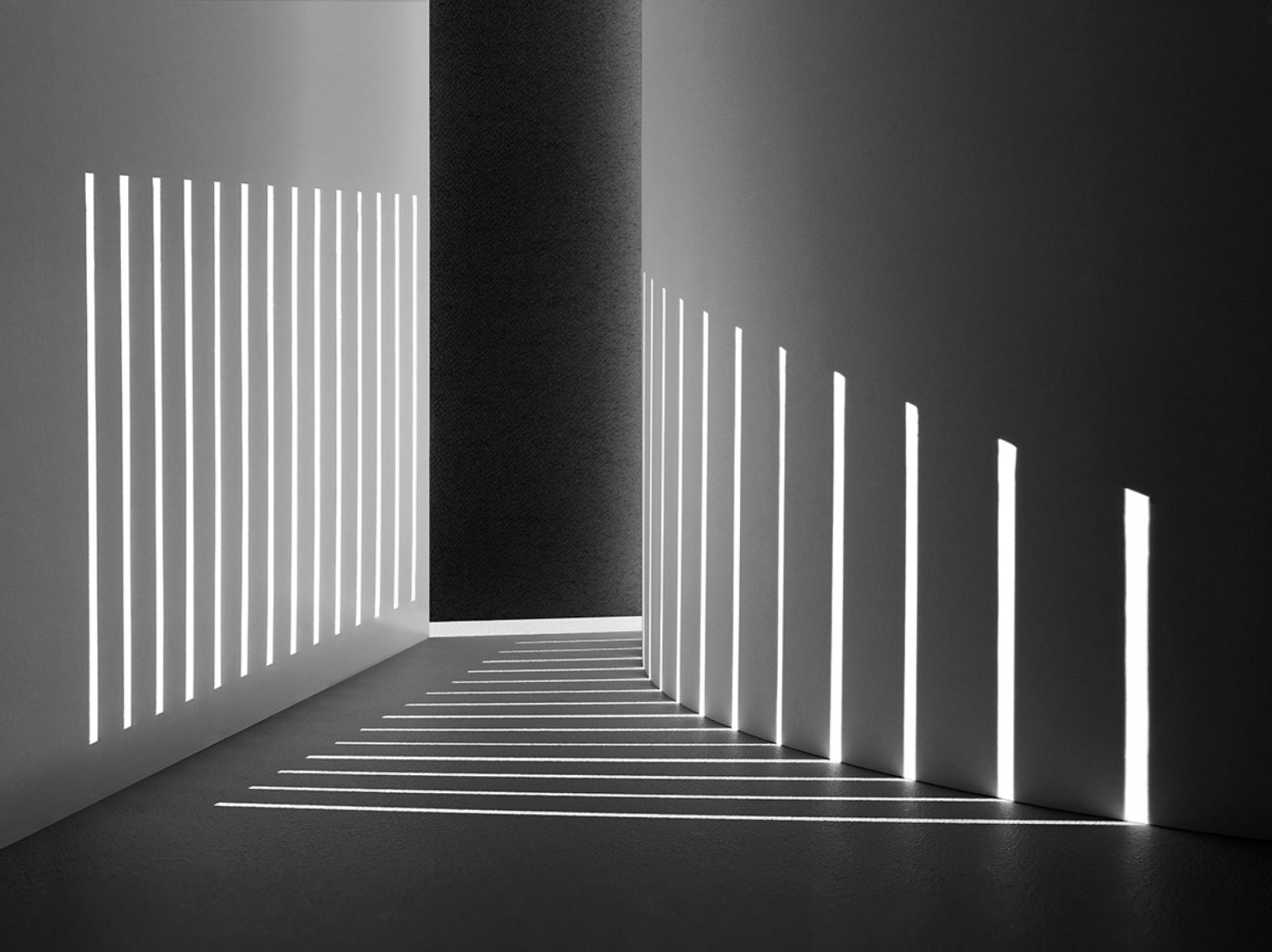
You thought you chose the perfect colour. But when the sun sets… it feels wrong. Why? Because colour isn’t fixed—it’s shaped by light. What we perceive as “colour” is a dance between pigment and light, changing with time of day, orientation, lighting temperature, and material surroundings. That’s why the same soft grey can feel calmingContinueContinue reading “The Emotional Power of Light and Shadow in Design”
Creating Calm: Designing Homes for Better Mental Health
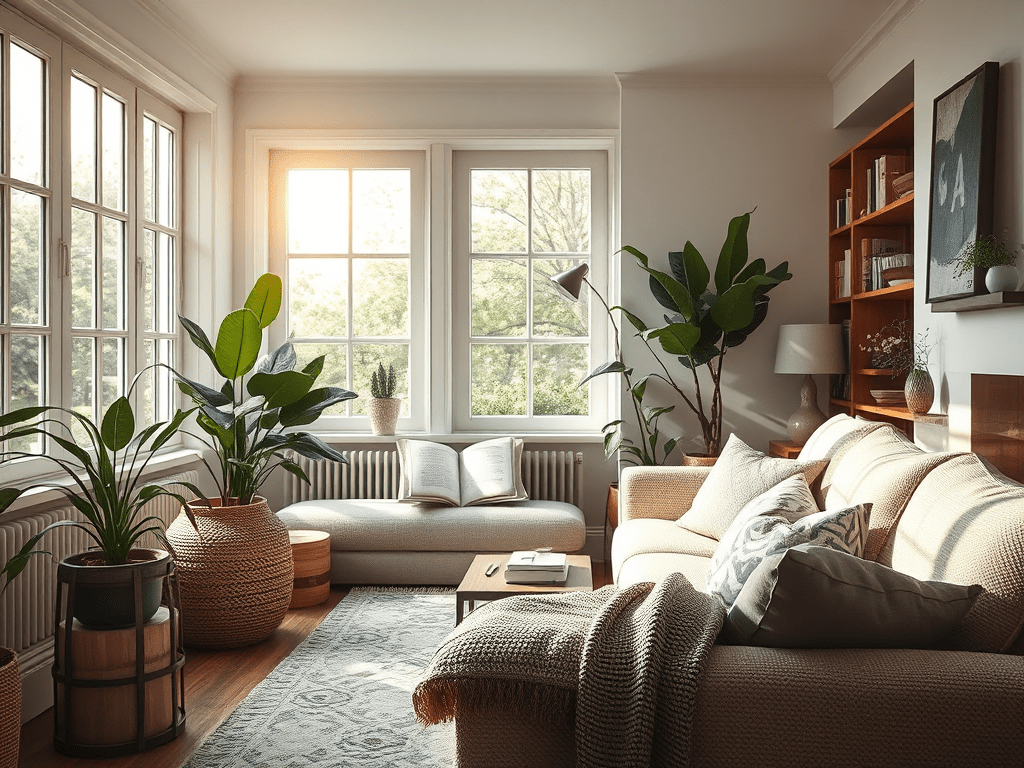
After a day filled with work, study, commuting, and endless demands, where do we land? We should return to a space that offers more than shelter—a place that helps us decompress, slow down, and reconnect.With ourselves. With our loved ones. With what truly matters. We spend around 90% of our time indoorsWorld Health Organization Yet,ContinueContinue reading “Creating Calm: Designing Homes for Better Mental Health”
The Future of Water Resilience: Ancient Practices for Modern Cities

Could you share a morning shower with your partner—not for romance, but because your city’s mayor told you it would help save water? In Bogotá, 2024, this suggestion became reality. A severe drought, intensified by the El Niño phenomenon, pushed the Chingaza reservoir system to historic lows. Simultaneously, maintenance at the Tibitoc water treatment plantContinueContinue reading “The Future of Water Resilience: Ancient Practices for Modern Cities”
Designing with the Spirit of the Sea

A few days ago, I posted a simple question:Which water scape would you escape to right now? Most people responded with what many of us instinctively feel:The sea – to relax. But what is it about the sea that draws us in?And more importantly: how can we recreate those sensations through design, even when theContinueContinue reading “Designing with the Spirit of the Sea”
The Timeless Beauty of the Parthenon: Proportions in Architecture
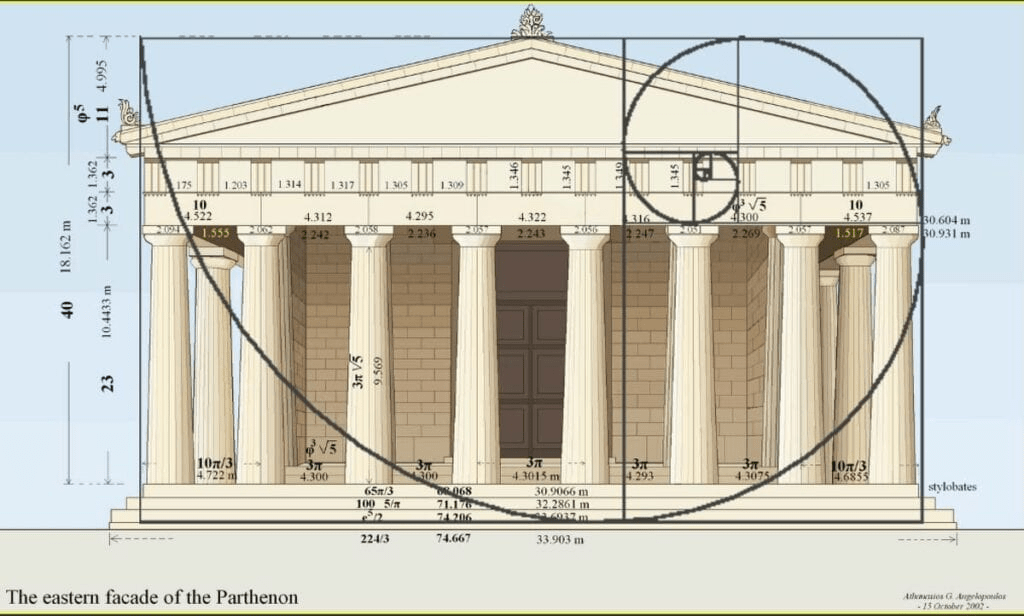
The Parthenon in Athens is often hailed as one of the most beautiful buildings in the world. Dedicated to the goddess Athena, this octastyle Doric temple—built in gleaming Pentelic marble—continues to captivate despite the passage of nearly 2,500 years. But what exactly makes it a masterpiece? Why does its form still resonate with us today?ContinueContinue reading “The Timeless Beauty of the Parthenon: Proportions in Architecture”
Water’s Influence on Human Emotion and Design

1. A Moment by the Water We are made mostly of water. It flows through our veins, cushions our brain, and fills the cells that sustain life. But our connection to it runs deeper than physiology. Water is something we feel. Its shimmer, its rhythm, its quiet persistence—these things speak to something ancient within us.ContinueContinue reading “Water’s Influence on Human Emotion and Design”
Neurodiversity and Architecture: Keys to an Inclusive World

Liam is five. On his first day at a new school, he didn’t sit where instructed or follow the routine. Instead, he moved constantly—reading every sign, poster, and label in sight, not just in the corridors, but throughout the entire school. His teachers tried to redirect him, sometimes even running after him as he slippedContinueContinue reading “Neurodiversity and Architecture: Keys to an Inclusive World”
Symmetry vs. Asymmetry in Design
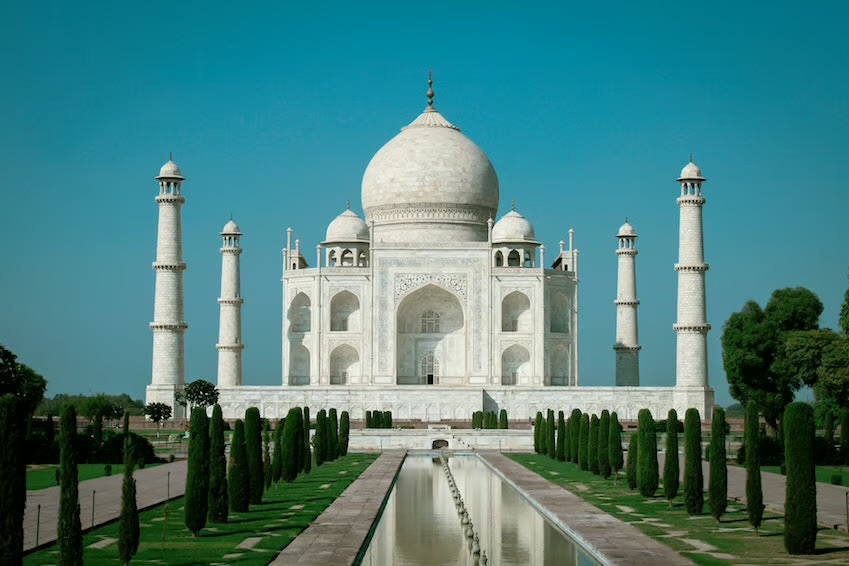
Have you ever noticed that most of the iconic buildings in the world are symmetric? A glance at architectural history reveals a fascinating pattern: symmetry dominates. From ancient temples to neoclassical palaces, some of the most enduring and admired buildings are defined by their balanced proportions and mirrored images. Our brains are naturally drawn toContinueContinue reading “Symmetry vs. Asymmetry in Design”
Designing for Mental Health: Architecture’s Role
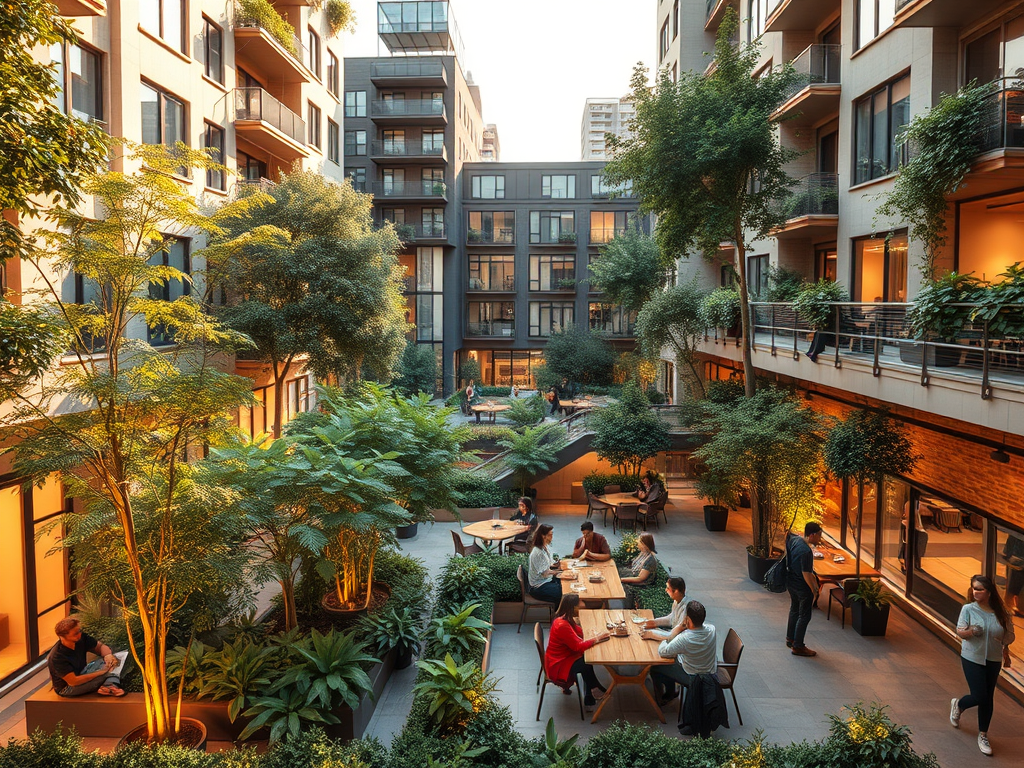
According to the World Health Organization (WHO), mental health conditions include mental disorders, psychosocial disabilities, and other emotional states that significantly impair daily functioning or increase the risk of self-harm. The Crisis: Anxiety, Disconnection, and Isolation Alfred, a 90-year-old widower from Wakefield, spent six months in near-total isolation. After losing his wife, his only humanContinueContinue reading “Designing for Mental Health: Architecture’s Role”
 neurotectura.com