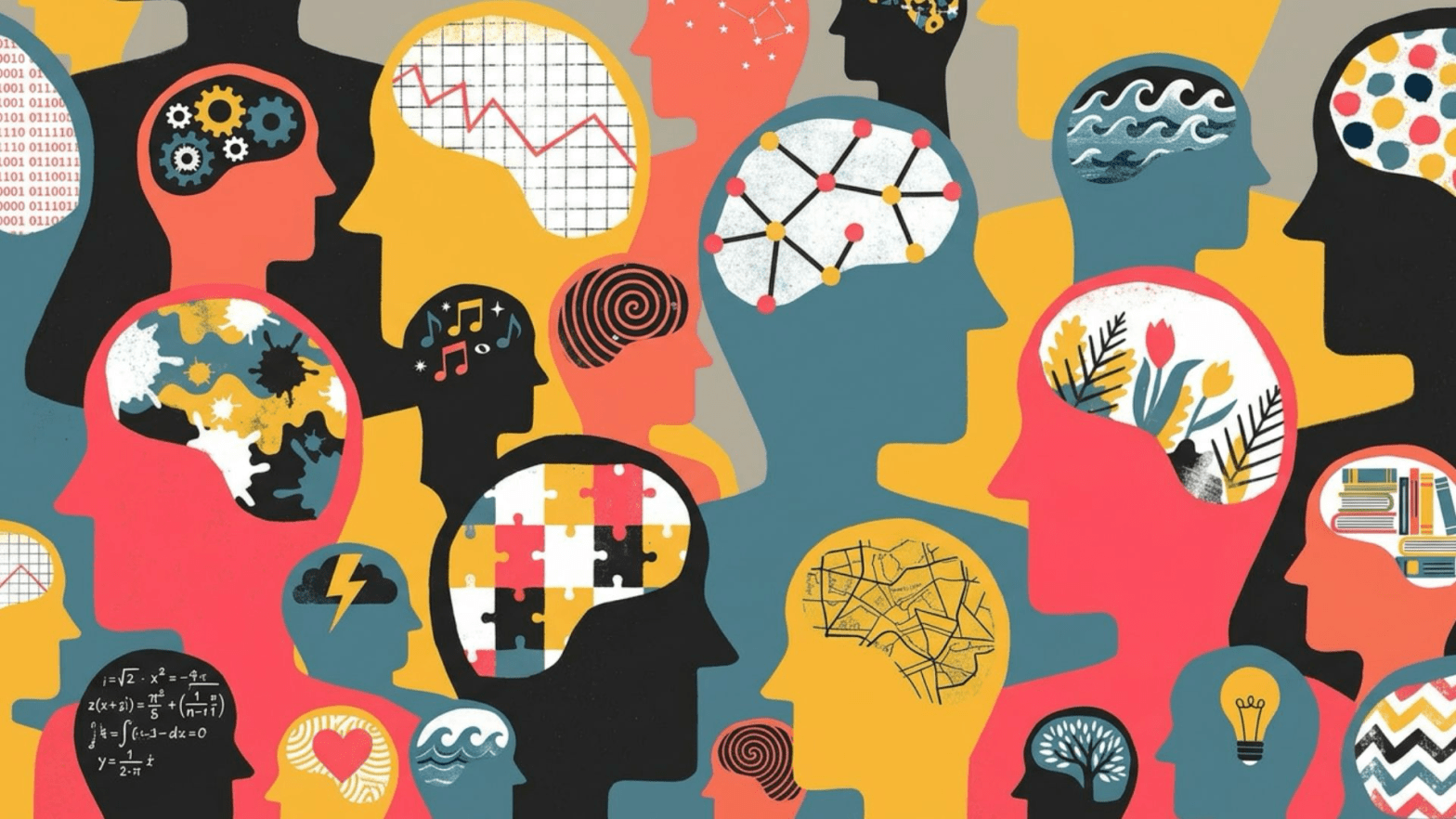
Why Architecture Must Respond to Human Diversity For decades, inclusive design in architecture was often understood through a relatively narrow lens: accessibility regulations, ramps, lifts, wider doors, and compliance checklists. While these interventions remain essential, contemporary research in neuroscience, psychology, and human-centred design suggests that true inclusion extends far beyond physical mobility. Architecture does notContinueContinue reading “Inclusive Design Beyond Accessibility”
Category Archives: English
Can architecture influence contemplative states of mind?

Can Architecture Influence the Mind? A narrow alley, a curved pathway, filtered light entering through a shaded corridor, or the silence beneath a vaulted ceiling can create a subtle sensation of calm and inward attention. Certain environments seem capable of slowing our thoughts, sharpening our senses, and reconnecting us with the present moment. But whatContinueContinue reading “Can architecture influence contemplative states of mind?”
Beyond Buildings: Architecture, Microbiome, and Mental Health

For reference, we spend around 90% of our time indoors and inside vehicles. We inhabit homes, offices, schools, hospitals and cities that, although they may seem separate from us, are in constant interaction with both our bodies and our minds. For a long time, architecture has largely been understood through function or aesthetics, while overlookingContinueContinue reading “Beyond Buildings: Architecture, Microbiome, and Mental Health”
Neuroarchitecture and Positive Emotions: Designing for Wellbeing
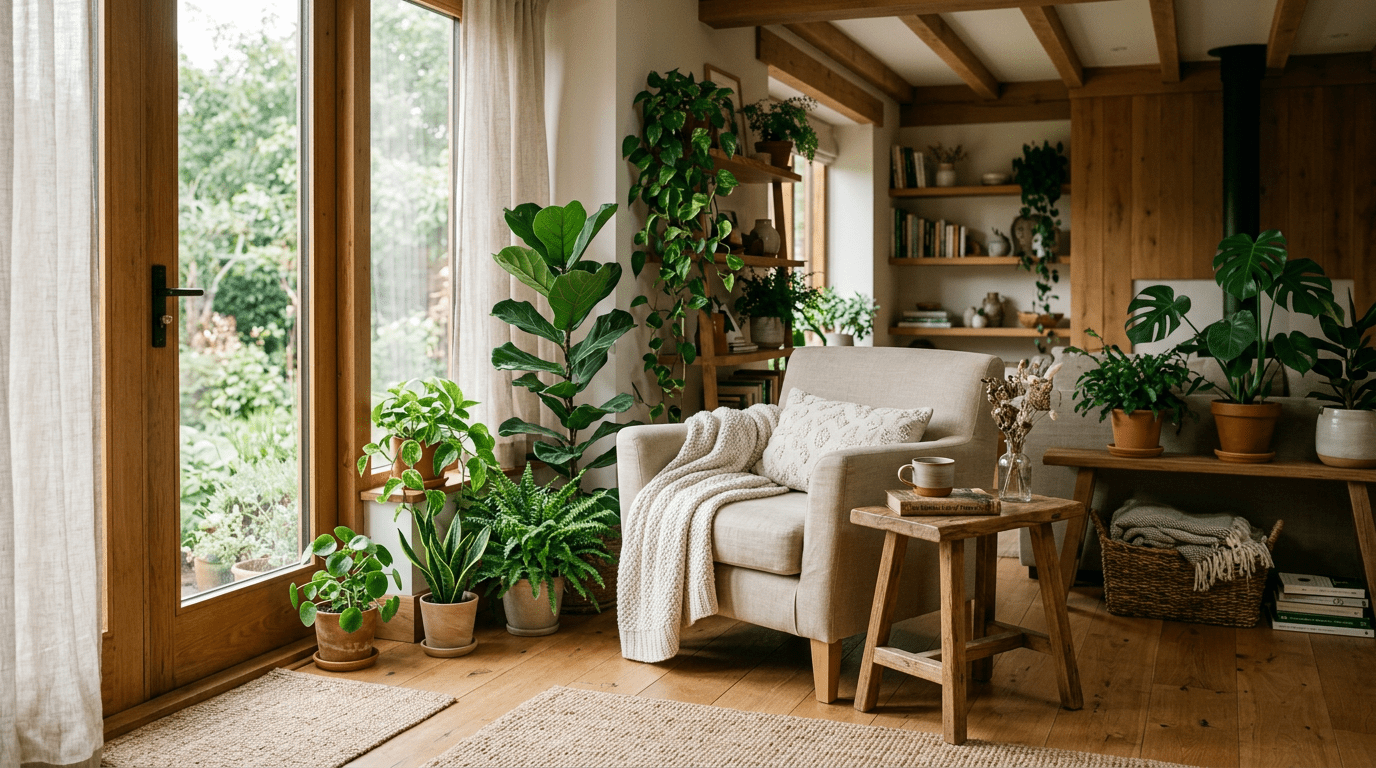
We all seek to feel well. We may not always be able to define it, but we know wellbeing when we feel it. In a moment of calm, in a space that allows for both refuge and perspective, in that subtle sense of balance that comes – sometimes – quietly and without effort. For aContinueContinue reading “Neuroarchitecture and Positive Emotions: Designing for Wellbeing”
Aggressive Behaviour and Environmental Overload

When Space Overwhelms Us: From Stimulus to Behaviour A child walks back into the classroom after break. Just moments before, they were running, laughing and playing without any difficulty. But as they cross the threshold, something shifts. The noise feels louder, the voices of classmates become unsettling, and the light seems harsher than before. SmallContinueContinue reading “Aggressive Behaviour and Environmental Overload”
Neurodiversity and Architecture: From Awareness to Inclusion (April Focus)

Every 2 April, global attention turns to autism. The date was established in 2007, when the United Nations adopted Resolution A/RES/62/139, giving rise to World Autism Awareness Day, first observed in 2008. Far from being a purely symbolic gesture, this initiative responded to an urgent need: to make visible the lives of millions of peopleContinueContinue reading “Neurodiversity and Architecture: From Awareness to Inclusion (April Focus)”
Urban Density and Mental Health: A Neurourbanism Perspective

Do large cities make you feel stressed? The global shift towards urban living has not only increased density in city centres but also intensified the mental health challenges linked to stress. This growing concern has led fields such as neuroarchitecture and neurourbanism to explore how the brain processes urban environments. A recent study published inContinueContinue reading “Urban Density and Mental Health: A Neurourbanism Perspective”
The Impact of Playground Design on Child Development and Brain Plasticity

Play is an intrinsic biological need of the human being. It is not a luxury or a secondary activity but an adaptive mechanism that allows us to rehearse behaviours, regulate stress, and develop the neural plasticity required for lifelong learning. In childhood, this process becomes especially critical. During periods of rapid brain development, play actsContinueContinue reading “The Impact of Playground Design on Child Development and Brain Plasticity”
How Do We Imagine the Architecture of Happiness?
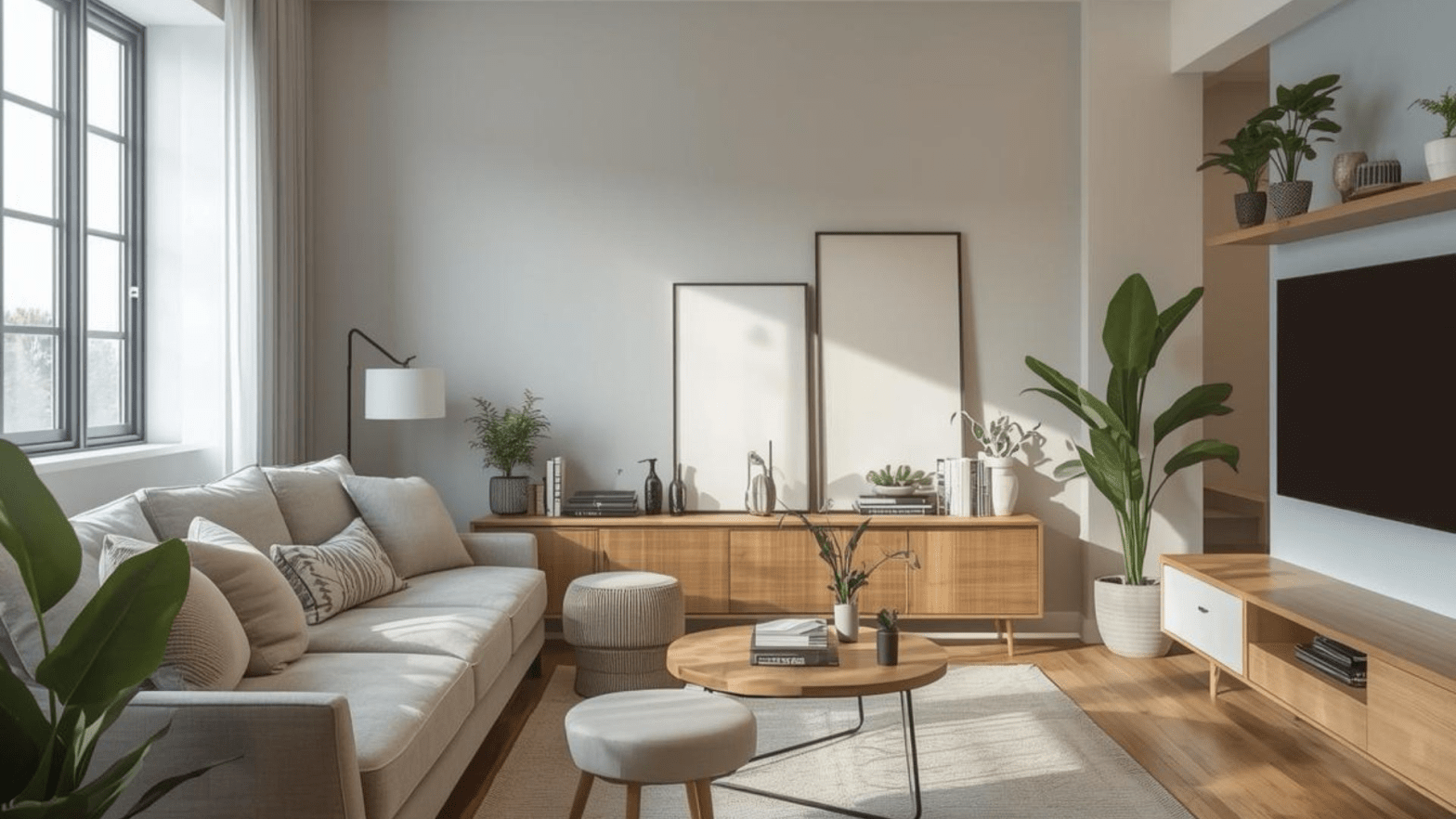
In 2006, the philosopher Alain de Botton published The Architecture of Happiness, an essay built around a simple yet transformative idea: the spaces we inhabit have a profound influence on our emotional and psychological wellbeing. Rather than approaching architecture as a purely technical or aesthetic discipline, de Botton places it firmly within a human context.ContinueContinue reading “How Do We Imagine the Architecture of Happiness?”
Neuroarchitecture: The Physics of Design and Its Impact on the Brain

Why would a physicist take an interest in architecture? At first glance, the laws that govern the universe and the design of the spaces we inhabit appear to intersect only at a technical level—through structural forces, plumbing systems, ventilation, or thermal control. Yet, the connection runs far deeper. Both disciplines are concerned with systems, structures,ContinueContinue reading “Neuroarchitecture: The Physics of Design and Its Impact on the Brain”
 neurotectura.com