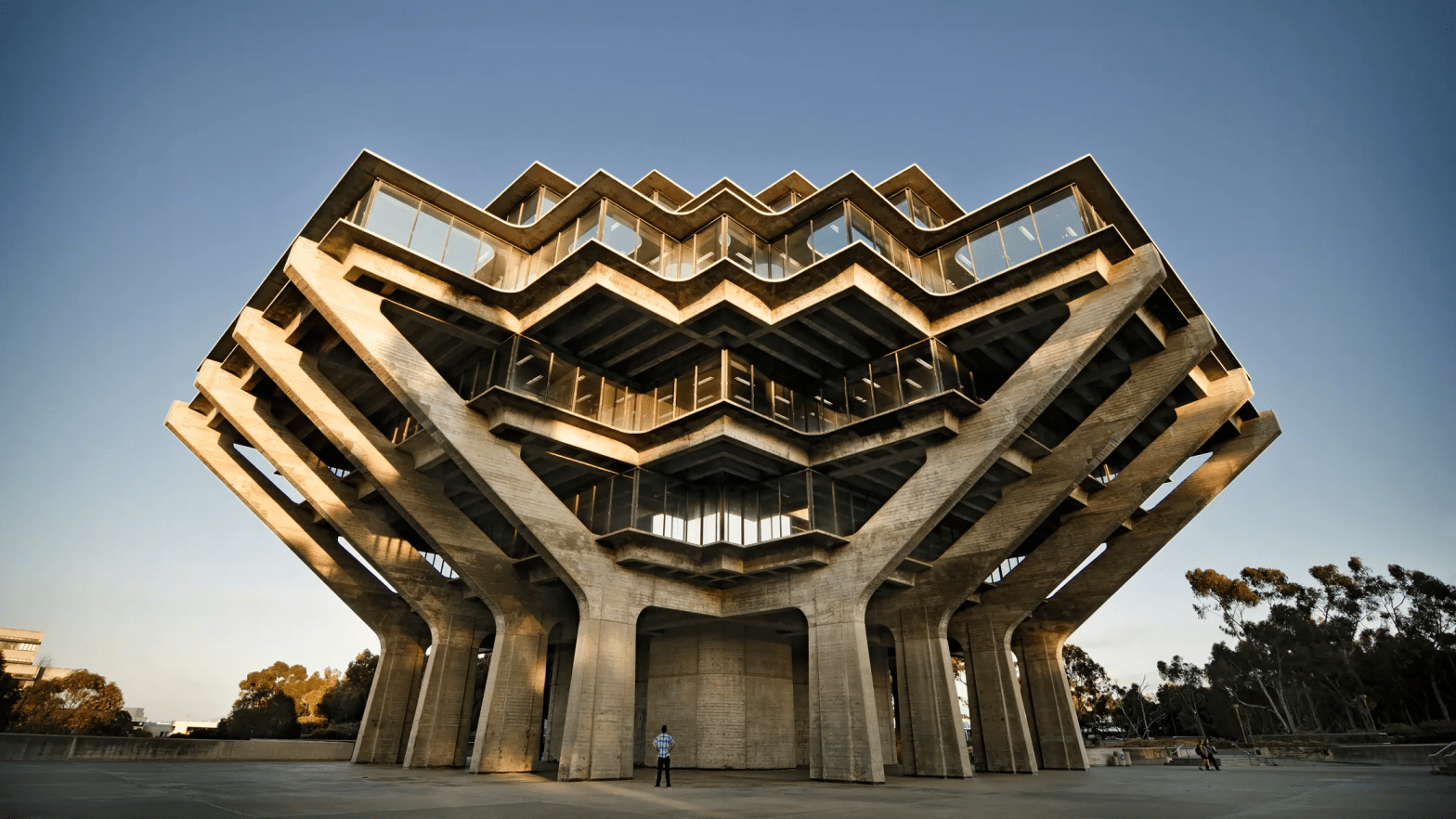
Brutalism was more than a style of raw concrete and bold forms—it was an experiment in shaping society through design. Emerging from the devastation of the Second World War, it promised dignity, efficiency, and fairness in housing and public life. Buildings were stripped back to their essentials, constructed in béton brut—raw concrete—without ornament or disguise.ContinueContinue reading “Neuroarchitecture: Lessons from Brutalism”
Tag Archives: architecture
Cómo el entorno influye en el aprendizaje y la seguridad emocional

María es una estudiante brillante y curiosa. Sin embargo, cada vez que llega la temporada de exámenes, se siente mal. La noche anterior, apenas si puede dormir. En la mañana, le duele el estómago y le palpita la cabeza. Al entrar al salón de exámenes, las duras luces fluorescentes parpadean sobre ella; filas de escritoriosContinueContinue reading “Cómo el entorno influye en el aprendizaje y la seguridad emocional”
How Environment Influences Learning and Emotional Safety
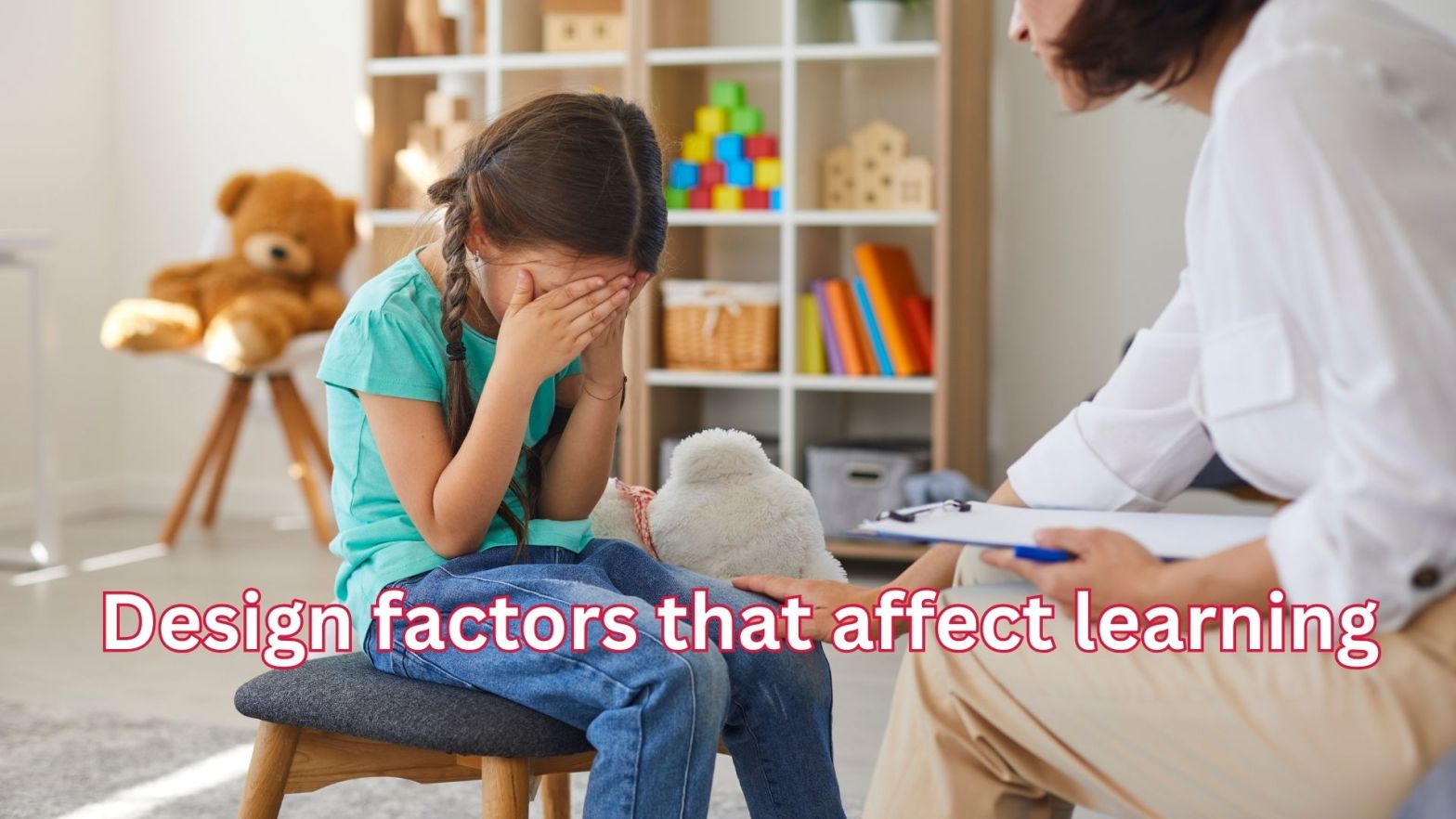
María is a bright and curious student. Yet, every time exam season arrives, she feels unwell. The night before, she barely sleeps. In the morning, her stomach aches and her head throbs. As she walks into the exam hall, the harsh fluorescent lights flicker above, rows of identical desks stretch endlessly, and the ticking clockContinueContinue reading “How Environment Influences Learning and Emotional Safety”
Neurodiversity and Architecture: Keys to an Inclusive World

Liam is five. On his first day at a new school, he didn’t sit where instructed or follow the routine. Instead, he moved constantly—reading every sign, poster, and label in sight, not just in the corridors, but throughout the entire school. His teachers tried to redirect him, sometimes even running after him as he slippedContinueContinue reading “Neurodiversity and Architecture: Keys to an Inclusive World”
AI in Architecture: Redefining Design and Collaboration

Imagine a design studio where the architect doesn’t sketch alone—but co-creates with a system that suggests, simulates, and learns. That future is no longer distant. It’s already underway. A New Era in the Making From generative floor plans to climate-responsive façades, artificial intelligence (AI) is beginning to reshape how we design, build, and think. ButContinueContinue reading “AI in Architecture: Redefining Design and Collaboration”
Designing for Survival: Architecture in the Age of Climate Crisis
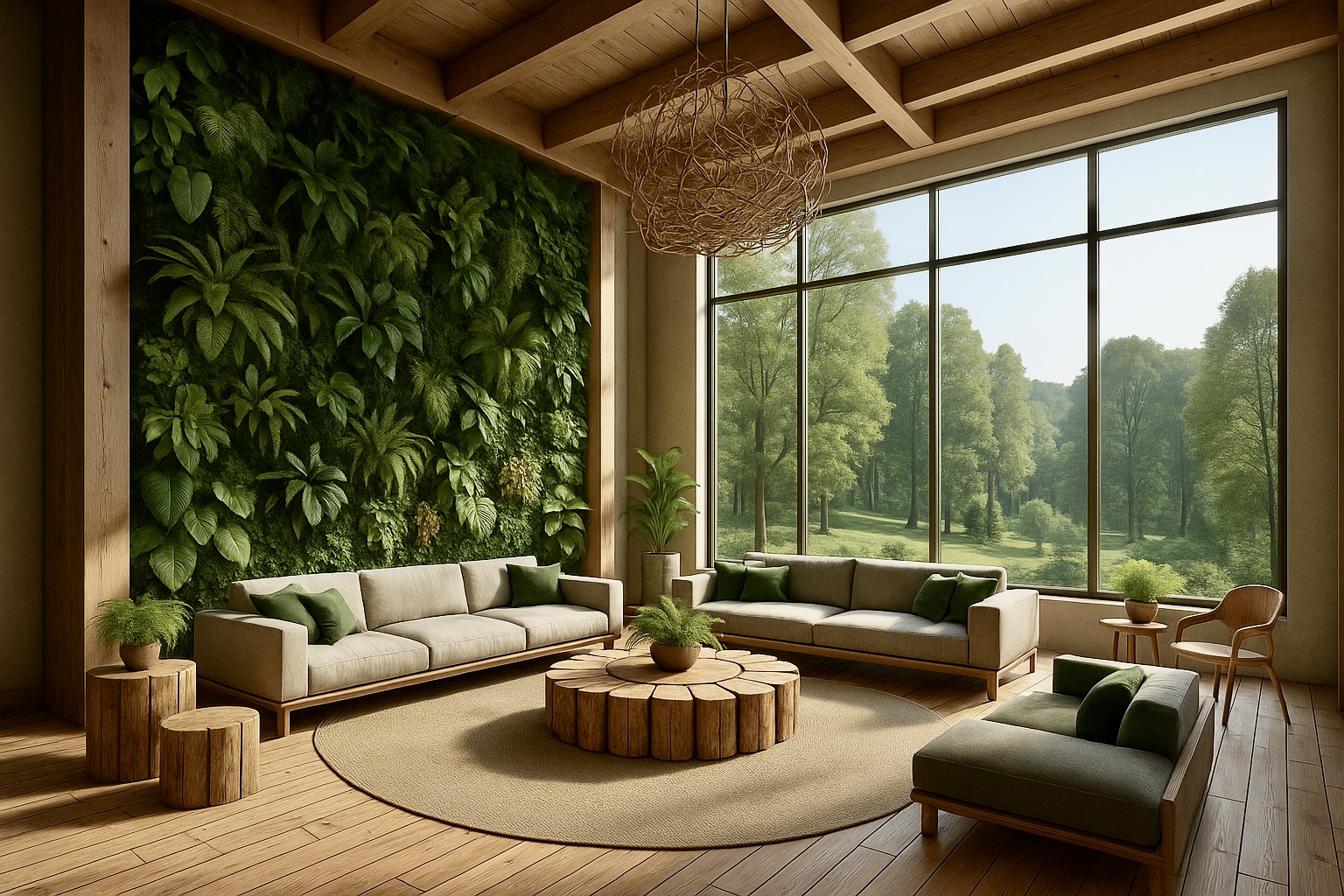
In recent years, the world has witnessed a surge in climate-induced catastrophes: unprecedented wildfires scorching vast landscapes, devastating floods submerging cities, and relentless heatwaves threatening human health and infrastructure. These events underscore the pressing need for architecture to transcend traditional aesthetics and functionality. Our built environments must evolve into resilient sanctuaries, capable of withstanding andContinueContinue reading “Designing for Survival: Architecture in the Age of Climate Crisis”
The Forgotten Sense: Smell in Neuroarchitecture

We often think of architecture as visual—lines, light, form, and space. But what about smell? A faint trace of lavender, damp concrete, old wood, or hospital disinfectant. Scents we barely notice, yet they linger—anchored deep in memory and emotion. Have you ever stepped into a space and instantly felt calm, alert—or uneasy—without knowing why? ThatContinueContinue reading “The Forgotten Sense: Smell in Neuroarchitecture”
Caminabilidad: El futuro de nuestras ciudades
“Caminar es la mejor medicina del hombre.” Hipócrates Como turista en la isla de Míkonos, conservo un recuerdo vívido de sus estrechos callejones, los edificios encalados y las buganvilias que cuelgan en cascada. La ausencia de autos transforma cada paseo en un verdadero placer, facilitando una conexión íntima con la arquitectura y con la vidaContinueContinue reading “Caminabilidad: El futuro de nuestras ciudades”
Streets for People: The Case for Walkable Cities
“Walking is man’s best medicine.” Hippocrates As a tourist on the island of Mykonos, I hold a vivid memory of its narrow alleyways, whitewashed buildings, and cascading bougainvillea. The absence of cars turns every stroll into a true delight, fostering an intimate connection with the architecture and local life. A rich sensory experience that leavesContinueContinue reading “Streets for People: The Case for Walkable Cities”
Diseñando para la salud mental: el papel de la arquitectura
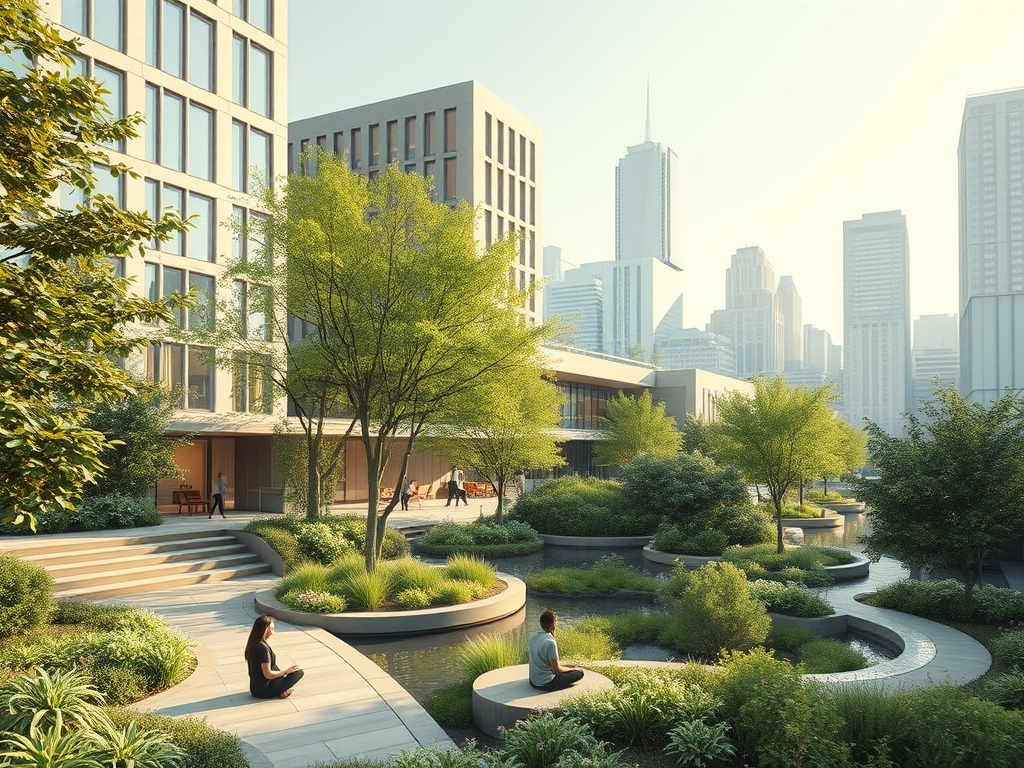
La salud mental se ha convertido en una preocupación global, con una crisis que afecta a todas las edades, pero que golpea con especial fuerza a nuestros jóvenes. En un mundo donde la ansiedad, la depresión y el estrés se han normalizado, es crucial entender cómo estos trastornos socavan nuestro bienestar individual y colectivo, yContinueContinue reading “Diseñando para la salud mental: el papel de la arquitectura”
 neurotectura.com